Indian Pale Ale is such a popular style these days. But do most people know the true story of the origin of the IPA? Does it come from India as the name mentions? Where was it produced first and when? The original Indian Pale Ale is not as hoppy and strong as it’s made today in the US. And once it was produced it wasn’t really all that popular.
For us to follow on the journey of this beer style we will have to go back in past. And what makes it all so much more interesting is a story of a beer that bears the name of a country where it was never actually brewed. More on beer Making Your Own Beer – Brew In A Bag.
The popular story of origin
Back in the late 1700s and early 1800s, England held a strong colonial presence in India. But soldiers, sailors, and civilians had a huge appetite for beer. The trouble was the voyage to India was long and by the time the ships made it there the traditional beers had spoiled. Even when they didn’t, the dark porters that were popular at the time in London weren’t quite nice in the hot climate of India.
George Hodgson of the Bow Brewery in London was the first person to come up with a solution to this problem. He began brewing a lighter style of beer known as Pale Ale. Hodgson realized that high alcohol and hop levels would prevent spoilage on the long journey. His process succeeded and for about 50 years he held a virtual monopoly in the Indian market.
A more realistic story of origin
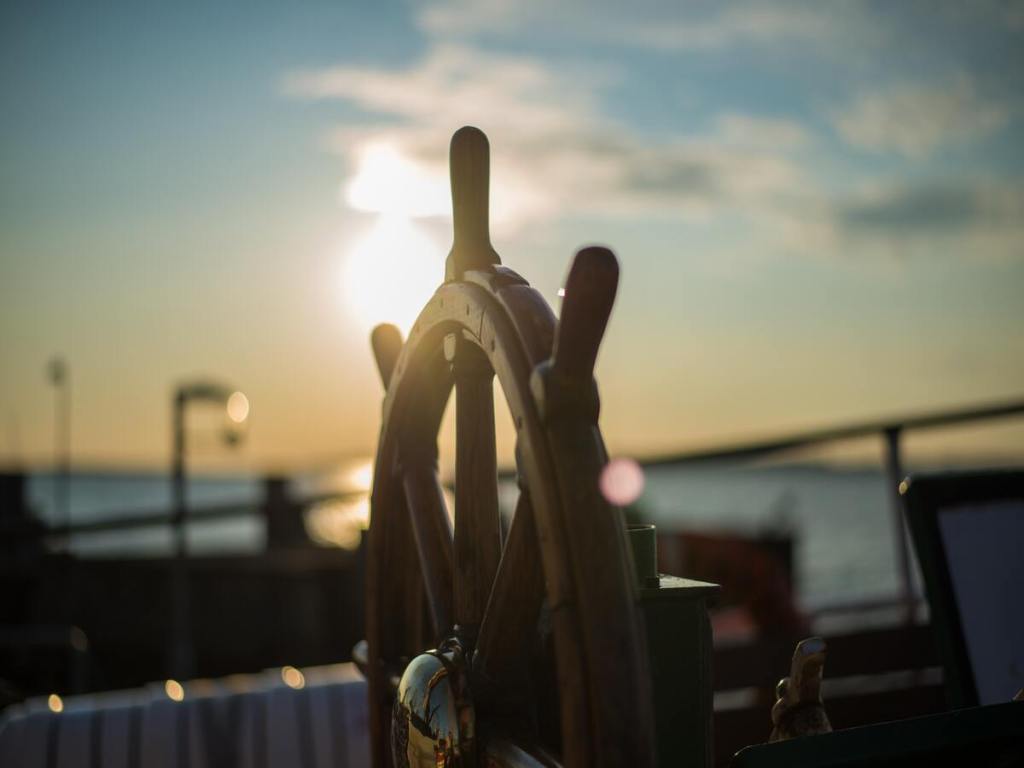
Just like any story that gives all the credit to one person, it’s never that simple. It’s certainly true that British exporters were experiencing problems with beer making the journey to India. Much of the beer that arrived in India was not fit to drink and there were many accounts of beer being dumped into the sea. There was just no way to prevent the hardships a cask would experience while at sea.
When they first departed England, the North Atlantic kept the beer at a perfect cellar temperature between 50 to 55 degrees F. But that didn’t last as the ships neared the equator to pass around Africa where the warm seas rocked the casks to foamy froth and where a hot 80 degrees F increased the beer temperature. Then the beer would be chilled again going around the Horn of Africa before heating up again upon arrival to the colony.
Through decades of trial and error, a few breweries finally found a way to mitigate some spoilage and add a lot of bacteria-killing hops. This was certainly no guarantee but it did make beer more likely to survive the journey. So much so that by 1760 all brewers were being advised that a large helping of hops was an absolute necessity. This advice about hops was widely circulated some 25 to 30 years before Hodgson Pale Ale.
World beer market at the time
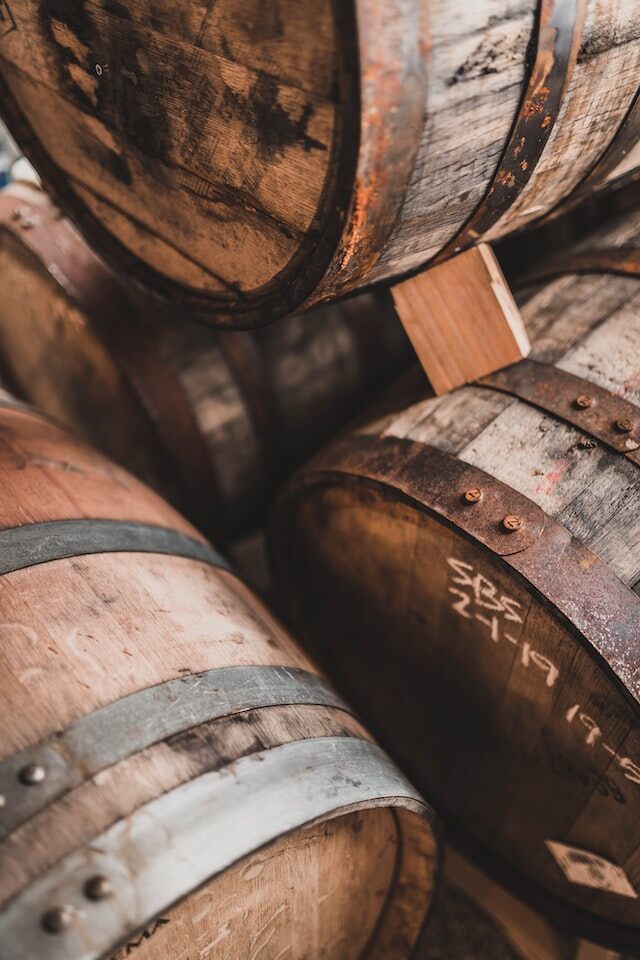
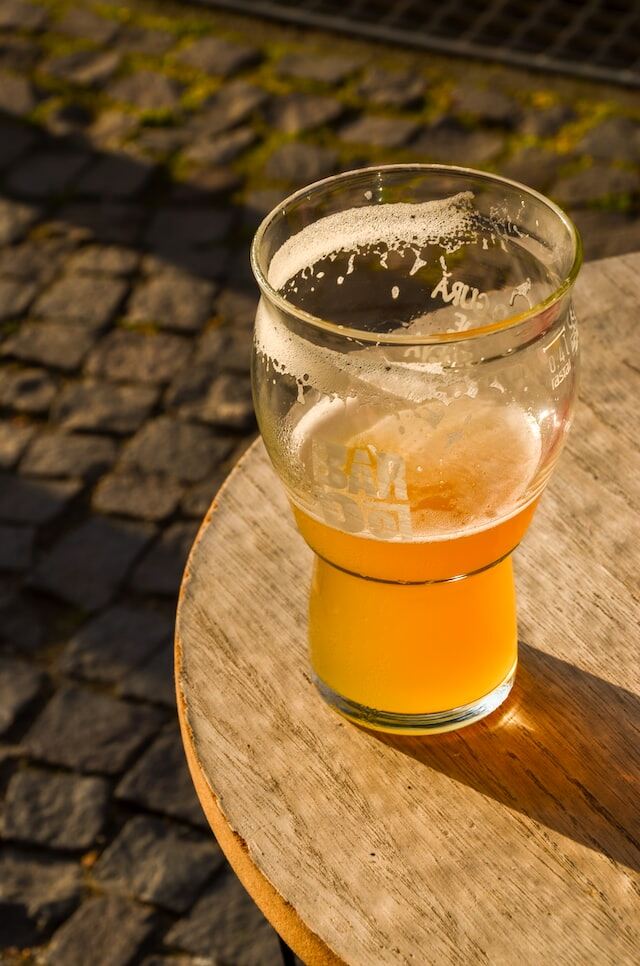
In the meantime, India was developing a great taste for the same porters and stouts that were popular in London. Although these were a bit hoppier. Even though the Bow Brewery was the first hoppy Pale Ale to make it to India it was certainly the most popular. But in reality, even though the beer and hoppy Pale Ales became quite popular in India it’s surprising to learn that the Indian market was never more than a blip in the world of beer at the time.
At its height, India was only receiving 10 000 barrels of beer a year. That was just 1/6 the amount received by North America and just 1/10 of the largest single brewery in England which alone turned out 100 000 barrels.
Based on the small ex-pat market in India, it was not significant. But a new rail line between Burton and London linked the Pale Ale breweries with the huge London market. Soon Pale Ales advertised as ready for India began being advertised as a popular special occasion beer. It was a commercial hit and this was when the style was born. India Pale Ales never sold that well in India. But they became a standard bearer in the English market.
IPA as we know it today
As Indian Pale Ale evolved the family tree has split into two distinct categories, British and American IPA. British IPA is a modest beer with around 5% alcohol and only moderate hopping. American IPA is stronger generally between 6-7% alcohol and showcases intense hop aromas and flavors.
In the 19th century, IPA didn’t change much. It wasn’t until the 20th century that world events forced a change to the style in England. To save on grain during WWI. all British beers were required to be brewed at a lower strength causing a permanent change to IPA. By the 1940s the style was about the same as Pale Ale and in many breweries, the IPA was less alcoholic than their signature Pale Ale.
In America prohibition nearly killed all ale production and certainly killed the popularity of the IPA in the US. But the IPA found a new life in the 1990s. On the American West Coast craft brewers discovered the awesome hop-growing climate and began using more hops, revising all but dead style. Soon West Coast IPAs began pushing the envelope of what a hoppy beer could be. And today brewers in the Northeast of the US are introducing another evolution to the style with the Northeast IPA.
These beers are characterized by their hazy color and strong fruit flavors to pair with all the hoppy aromas. The humble IPA began as an export to a colony. It circled the globe that spread from England to North America. It nearly died as a style and then became a symbol of the craft beer Renaissance.
 Things we do for health