Growing your own food in a garden isn’t a new idea. It was a critical way for ancient people to have access to reliable, nutritious foods. The necessity of vegetable gardens has varied through time. Gardening has gained popularity recently, even with easy and inexpensive access to food at grocery stores. A study found that interest in gardening increased during the COVID-19 pandemic. People spent more time at home and turned to their gardens for a connection to nature, stress relief, and food provisions.
One group of holistic therapies that aims to treat the whole person and has been well researched through surveys and randomised trials is so-called green care, or therapy by exposure to plants and gardening. Several trials have revealed the beneficial effects on mood and mental health of simply observing nature, or even images of natural scenes. In a Japanese study, viewing plants altered EEG recordings and reduced stress, fear, anger, and sadness, as well as reducing blood pressure, pulse rate, and muscle tension.4 Another Japanese study simply found that it is more beneficial physiologically to view a green hedge rather than a concrete fence.
The effects of gardening on body and mind
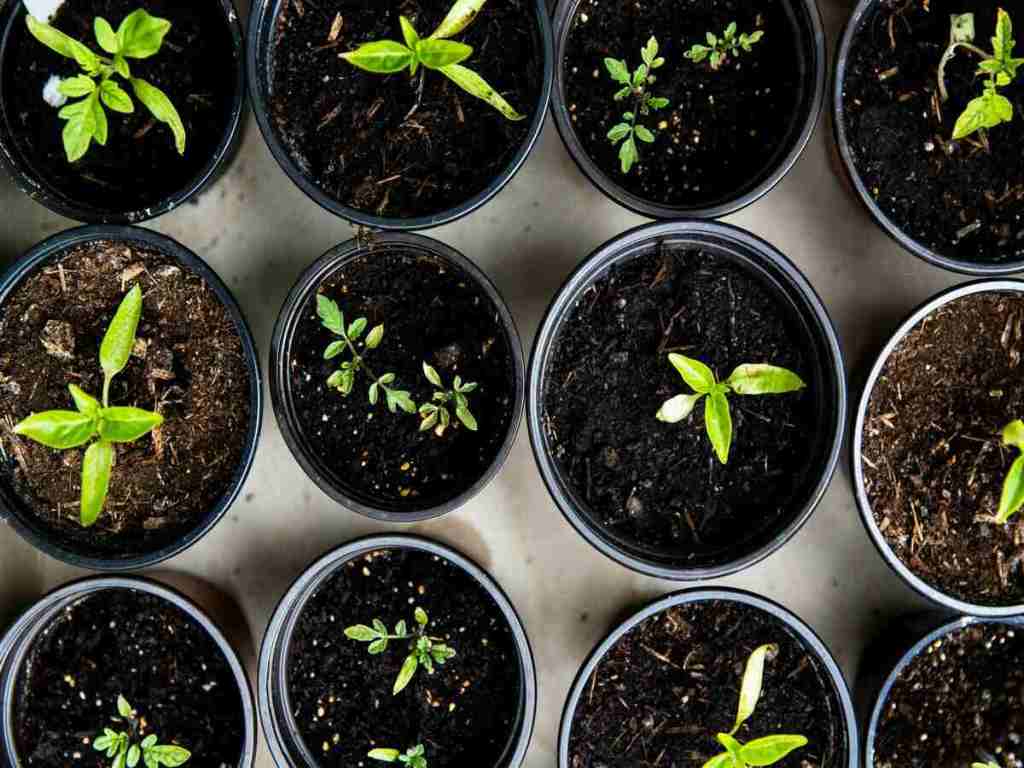
Why does gardening seem to be so beneficial to health? It combines physical activity with social interaction and exposure to nature and sunlight. Sunlight lowers blood pressure as well as increasing vitamin D levels in the summer, and the fruit and vegetables that are produced have a positive impact on the diet. Working in the garden restores dexterity and strength, and the aerobic exercise that is involved can easily use the same number of calories as might be expended in a gym. Digging, raking and mowing are particularly calorie intense; there is a gym outside many a window. The social interaction provided by communal and therapeutic garden projects for those with learning disabilities and poor mental health can counteract social isolation. Furthermore, it has also been reported that the social benefits of such projects can delay the symptoms of dementia (an effect that might be partly due to the beneficial effects of exercise).
Trees, hedges, and other plants counter climate change by trapping carbon and emitting oxygen; and worldwide, forests may offset a quarter of man-made carbon dioxide. They also improve the environment by reducing noise, heat, glare, wind, water run-off, erosion and dust. Cooling from shading and the evaporation of water from leaves can reduce the need for air conditioning in buildings, and cooling also reduces the formation of some pollutants, such as ozone. Even lawns and turf are helpful, also trapping pollutants and passing them on to soil microorganisms, in addition to providing recreational space for exercise. Plants may also help to solve the problem of polluted soils in industrial areas. Architects are reluctant to preserve old trees or add them to their developments, and so trees must be protected or included in planning consent conditions, and later properly maintained.
Keeps depression at bay
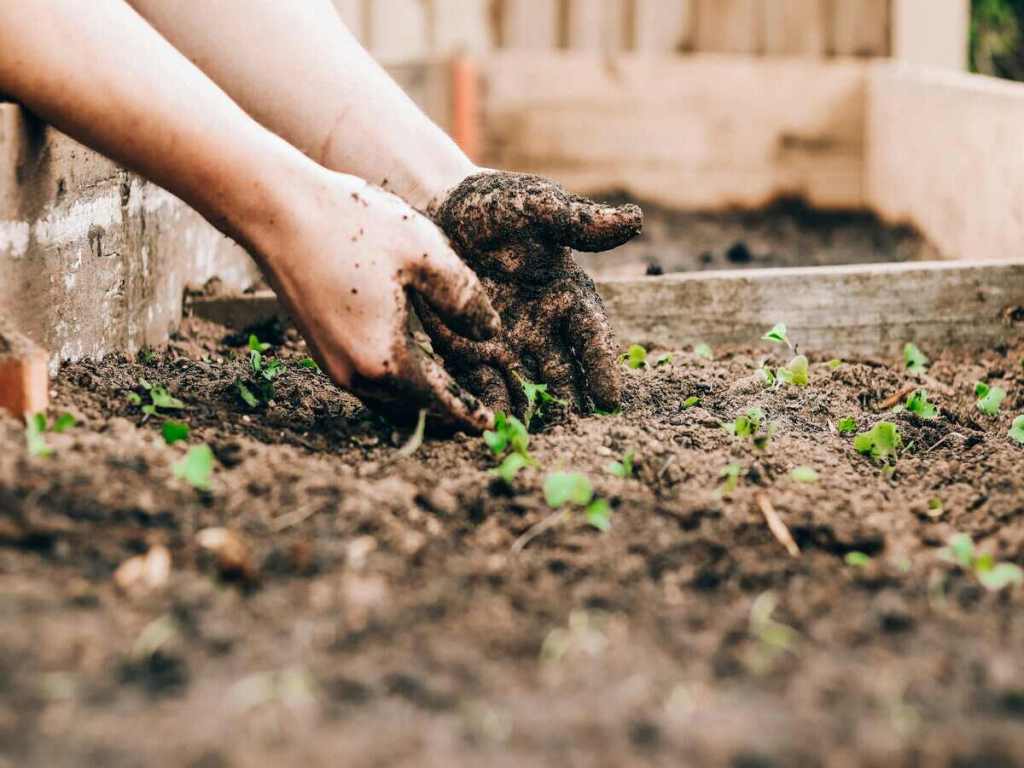
Getting your hands in the soil is known to keep depression at bay. This has been proven by research. Making contact with the earth, and a specific bacteria in the soil called Mycobacterium vaccae, actually triggers the release of serotonin and dopamine in the body, in turn boosting our immunity and raising our spirits.
Serotonin, of course, is a feel-good chemical that fights depression. And it’s been shown that dopamine is released when we harvest our own food. Researchers believe this chemical reaction in the body could go back 200,000 years to when our hunter-gatherer ancestors felt elated at finding food sources.
Improving sleep and mood
A strong link exists between low mood and insomnia. If we can’t sleep well, then our brains just don’t function properly. But an afternoon’s gardening can be quite strenuous and can promote a good night’s sleep. Raking, digging, chopping and mowing are all superb forms of exercise that will tire out our muscles, relax our brains and help us to sleep at night
Improving your diet
Growing and eating your own fruits and vegetables can have a positive impact on your diet. Gardeners are more likely to include vegetables as part of healthy, well-balanced diets.
Different vegetables have a variety of unique health benefits. Peppers contain capsaicin, which has anti-inflammatory properties and can reduce heart disease. Tomatoes are high in vitamin C and potassium. They also contain lycopene, an antioxidant that may reduce prostate cancer risk. Sweet potatoes are high in beta carotene, an antioxidant that may help slow the aging process and reduce the risk of some cancers. Spinach may boost your immune system and broccoli protects your body’s cells from damage.
Reducing stress levels
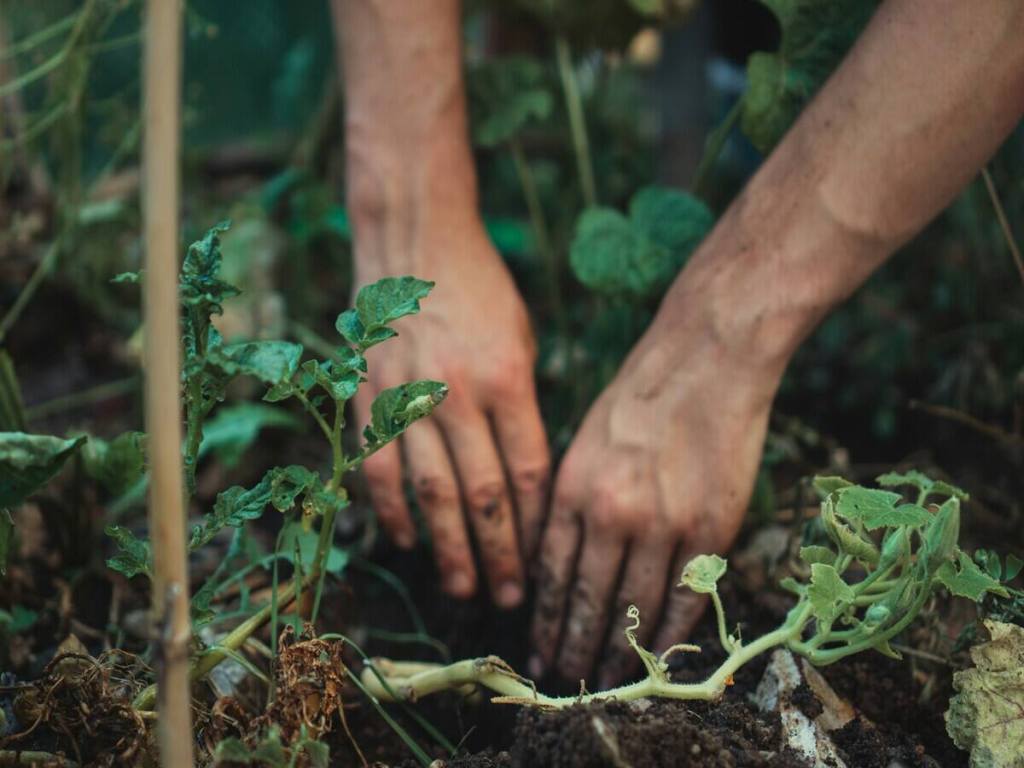
Nearly all forms of exercise can reduce stress including gardening. It’s been shown to lighten mood and lower levels of stress and anxiety. It’s very gratifying to plant, tend, harvest and share your own food.
Routines provide structure to our day and are linked to improved mental health. Gardening routines, like watering and weeding, can create a soothing rhythm to ease stress.
Improving heart health
Gardening can also strengthen your heart. That’s good news, considering thatup to 70% of adults over age 70 will develop heart disease. Picking up a spade could help you reduce your risk.
A research analysis found that people aged 65 and older who gardened had better heart health than non-gardeners. This could be due to several factors, including greater physical activity and less stress (since stress contributes to heart disease). The researchers also noted that gardeners who grew food ate more heart-healthy fruit and vegetables than non-gardeners.
Fostering social connections
Social isolation has been linked to a greater risk of physical and mental health problems and chronic conditions. Examples include heart disease, stroke, obesity, dementia, anxiety, and depression. It’s important to stay socially engaged, especially as you age. Loneliness is particularly common in older adults.
Cultivating a garden is one way to meet new people and expand your social circle. Whether chatting with your neighbor about the best way to stake tomatoes, picking plants in a nursery, or working in a community garden, you’ll have plenty of opportunities to make connections.
How to start?
Kids love to play outside and dig in the dirt. Studies show that gardening offers the same benefits for children as it does for adults. It helps little ones get active outdoors, teaches them responsibility as they care for living things, and builds an appreciation for nature. Gardening can also bring you and your child closer as you work toward a common goal.
Research shows that people who garden tend to be more physically active than their non-gardening peers. That comes as no surprise. Whether you’re potting flowers or planting trees, gardening takes hard work. Digging, pruning, carrying pots of soil, raking, and weeding are activities that get your body moving and your blood pumping.
The CDC recommends that adults get at least 150 minutes of moderate-intensity aerobic activity each week. And many gardening tasks will help you meet these guidelines. You’ll benefit most from tasks that involve compound movements. These moves work large muscle groups in your upper and lower body.
Whether you’re a seasoned gardener or just starting, here are a few things that can help you get the most out of your experience:
- Grab your gear. Protect yourself from the sun with sunscreen, a hat, and sunglasses. Wear gloves to shield your hands from thorns and poisonous plants. If you suffer from seasonal allergies, use a mask.
- Start small. Begin with a small area or a few plants to build confidence and avoid feeling overwhelmed. An herb garden is a great place to start.
- Pick your plants. To ensure they thrive, choose plants that suit the climate, sunlight availability, and personal preferences. Catmint, marigolds, asters, and zinnias are easy-to-grow flowers in most climates. Zucchini, cherry tomatoes, and salad greens are a good place to start for a kitchen-friendly garden.
- Don’t forget your form. Practice proper gardening techniques to prevent strain or injury. Use ergonomic tools, and remember to lift with your legs.
- Make it mindful. Embrace the therapeutic benefits of gardening by being present in the moment, focusing on the tasks at hand, and enjoying the sensory experiences.
- Join a community garden. Consider participating in a local community garden to learn from others, share resources, and cultivate a sense of camaraderie with fellow gardeners.
 Things we do for health