Microplastics, as the name implies, are tiny plastic particles. Officially, they are defined as plastics less than five millimeters (0.2 inches) in diameter—smaller in diameter than the standard pearl used in jewelry. There are two categories of microplastics: primary and secondary.
Primary microplastics are tiny particles designed for commercial use, such as cosmetics, as well as microfibers shed from clothing and other textiles, such as fishing nets. Secondary microplastics are particles that result from the breakdown of larger plastic items, such as water bottles. This breakdown is caused by exposure to environmental factors, mainly the sun’s radiation and ocean waves.
The problem with microplastics is that—like plastic items of any size—they do not readily break down into harmless molecules. Plastics can take hundreds or thousands of years to decompose—and in the meantime, wreak havoc on the environment. On beaches, microplastics are visible as tiny multicolored plastic bits in sand. In the oceans, microplastic pollution is often consumed by marine animals.
Some of this environmental pollution is from littering, but much is the result of storms, water runoff, and winds that carry plastic—both intact objects and microplastics—into our oceans. Single-use plastics—plastic items meant to be used just once and then discarded, such as a straw—are the primary source of secondary plastics in the environment.
Microplastics have been detected in marine organisms from plankton to whales, in commercial seafood, and even in drinking water. Alarmingly, standard water treatment facilities cannot remove all traces of microplastics. To further complicate matters, microplastics in the ocean can bind with other harmful chemicals before being ingested by marine organisms.
Scientists are still unsure whether consumed microplastics are harmful to human or animal health—and if so, what specific dangers they may pose. Even so, many countries are taking action to reduce microplastics in the environment. A 2017 United Nations resolution discussed microplastics and the need for regulations to reduce this hazard to our oceans, their wildlife, and human health.
Why are they dangerous?
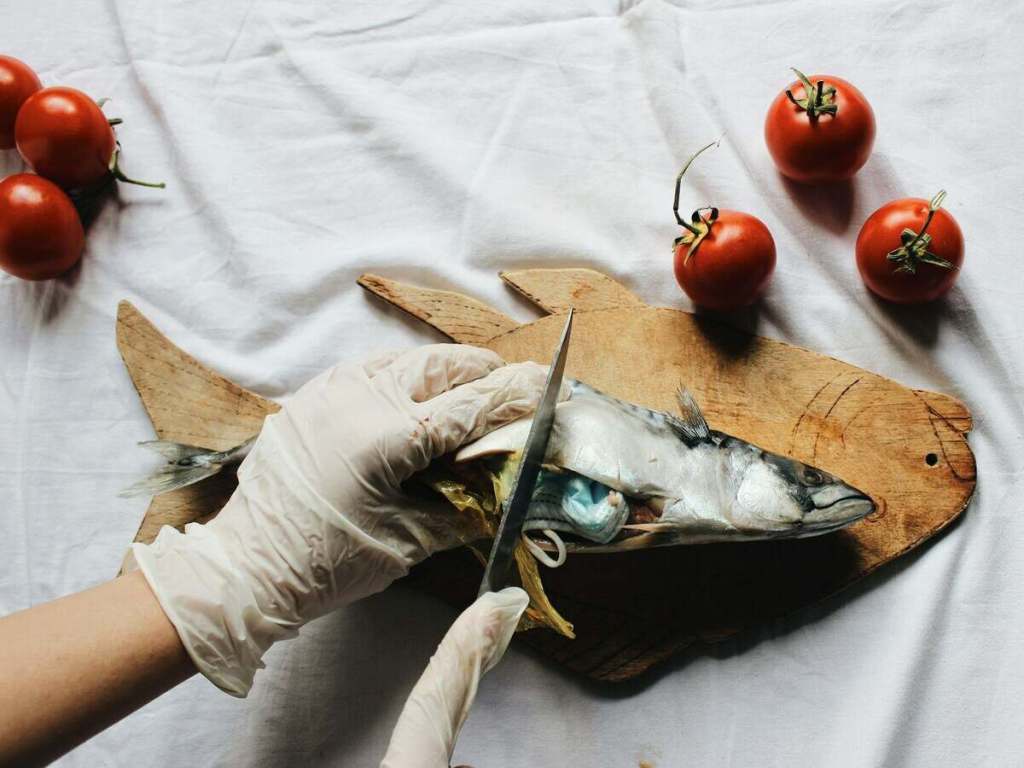
Microplastics are small plastic particles that come from the degradation of plastics, ubiquitous in nature and therefore affect both wildlife and humans. They have been detected in many marine species, but also in drinking water and in numerous foods, such as salt, honey and marine organisms. Exposure to microplastics can also occur through inhaled air. Data from animal studies have shown that once absorbed, plastic micro- and nanoparticles can distribute to the liver, spleen, heart, lungs, thymus, reproductive organs, kidneys and even the brain (crosses the blood–brain barrier). In addition, microplastics are transport operators of persistent organic pollutants or heavy metals from invertebrate organisms to other higher trophic levels. After ingestion, the additives and monomers in their composition can interfere with important biological processes in the human body and can cause disruption of the endocrine, immune system; can have a negative impact on mobility, reproduction and development; and can cause carcinogenesis. The pandemic caused by COVID-19 has affected not only human health and national economies but also the environment, due to the large volume of waste in the form of discarded personal protective equipment. The remarkable increase in global use of face masks, which mainly contain polypropylene, and poor waste management have led to worsening microplastic pollution, and the long-term consequences can be extremely devastating if urgent action is not taken.
Synthetic polymers appeared in the late 19th century around the 1860s, but it wasn’t until after World War II that the “plastics boom” really began. Plastic has become one of the most widespread materials since its beginnings as a phenol-formaldehyde resin. At its core, plastic was designed to improve human living conditions, but today it has become a real danger to the environment and the safety of the planet.
Nowadays, plastic is ubiquitous in all compartments of the environment (air, water and soil), especially due to the fact that the food packaging found on the market for food products such as dairy products, meat, fish or drinks, including mineral water, are made in large part from plastic. Contact between food and plastic packaging is almost always the cause of mutual transfers between container and contents. The quality of food products is influenced by the contamination resulting from the interaction with the substances in the composition of the packaging, sometimes the alteration of the nutritional qualities being doubled and affecting the safety of consumption. The presence of microplastics has been detected in soil ecosystems, surface waters, coastal sediments, beach sands, freshwater sediments and deep environments; even rain and snow contain significant numbers of microplastics that can sometimes be invisible to the naked eye. Indeed, the intensive exploitation of plastic associated with the poor performance of waste management systems, including end-of-life collection and capture, has led to a massive accumulation of plastic waste in the environment. The release of plastic materials into the environment is recognized as an important pollution problem.
Plastic materials represent between 60% and 80% of the waste present in the marine environment and 90% of the waste floating on the seas and oceans. Plastic waste present in the marine environment is a threat to both the environment and marine fauna due to the risk of being swallowed by marine life. Statistics show that at least 267 species worldwide are affected by this problem, including 44% of birds, 43% of mammals, 86% of turtles and various fish species. Plastic waste has a negative impact on the health of marine ecosystems as evidenced by the increasing number of marine species affected. These fragments of plastic material, decomposed into microparticles in suspension in the water column, or deposited in sediments, slow down or prevent the vertical transfer of oxygen.
Is our food full of microplastics?
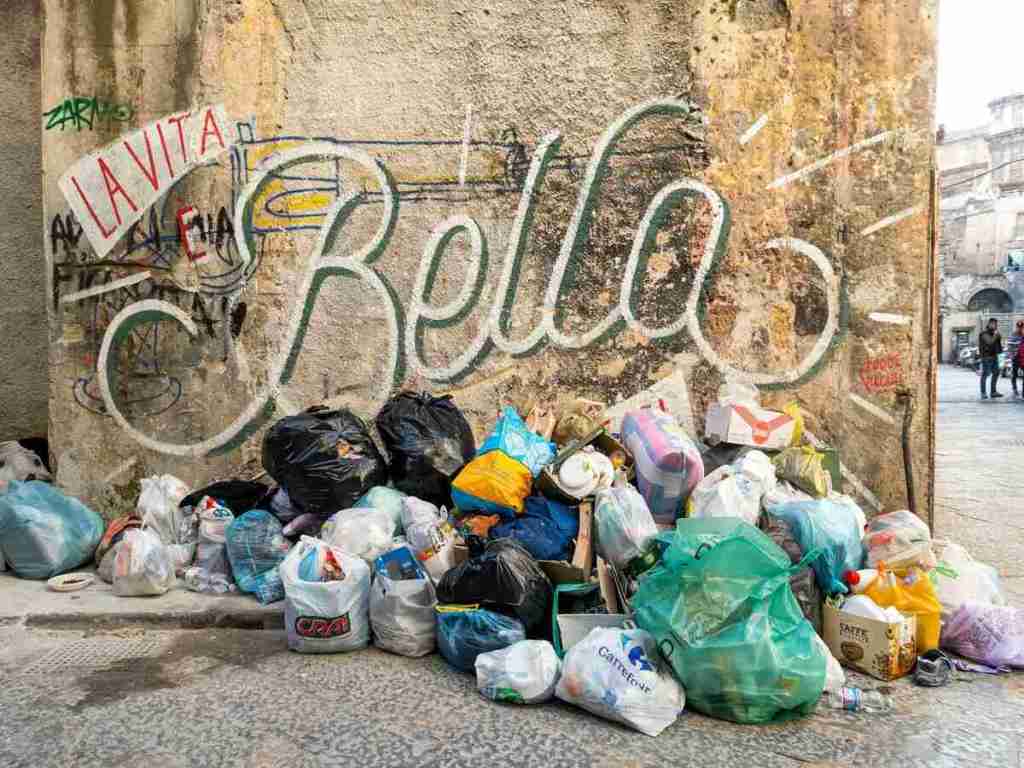
In a recent study, it is specified that people consume an average of 39,000–52,000 microplastic particles per year. This result was obtained on the basis of studies in which the amounts of microplastics that different foods contain are evaluated. If the estimates for inhaled microplastic particles are added, the number can rise to around 74,000 particles. For drinking tap water, another 4000 particles are added, while for drinking water bottled in plastic, the number increases by 9000 particles.
The main route of human exposure to MPs is through food ingestion, including seafood contaminated with microplastics, commercial processed fish, sea salt, honey, beer and food components. Most of these food products are also sometimes contaminated by the presence of impurities from processing materials and contaminants present in the packaging . The second route of exposure is through the inhalation of air and dust containing MPs. Given their high nutritional value, seafood plays an important role in the human diet, and therefore the consumption of these contaminated foods represents an increased health risk, especially for small fish eaten whole. Microplastics come from a range of polymeric materials mixed with various additives manufactured as such or result from the degradation and fragmentation of plastic waste into microparticles. Their behavior in the oceans is similar to that of marine plankton, and they can be ingested by aquatic fauna, being mistaken for small natural prey and consumed by filter-feeding species, such as bivalve mollusks, or adsorbed on macroalgae.
Several studies have highlighted the presence of microplastics in numerous commercial aquatic species such as mussels, oysters, crabs, shrimps and fish. The results of these studies suggest that humans are exposed to microplastics through the consumption of contaminated aquatic species, and the presence of microplastics in seafood could pose a threat to food safety. The potential accumulation of microplastics in food chains, particularly in fish and crustaceans, appears to be the main source of human exposure to microplastics.
The microplastic chemicals present in food are a mixture of those that manufacturers deliberately add, such as fillers and stabilizers, and those that accumulate as byproducts, such as residues and impurities.
Seafood: Mussels, oysters, clams and other filter-feeding shellfish tend to accumulate microplastics from their surrounding water, making them a notable source of contamination.
Sea Salt: Microplastics have been found in sea salt harvested from polluted waters, and these particles can end up on our dining tables.
Fish (Various Species): Fish from polluted waters often contain microplastics in their digestive systems. Unfortunately, common species like salmon and trout are not exempt.
Bottled and Canned Beer: Microplastics have been detected in both bottled and canned beer, likely introduced during the packaging process.
Honey: Bees may inadvertently collect microplastics while foraging for nectar, leading to contamination in honey.
Bottled Water: Studies have found microplastics in bottled water, raising concerns about the safety of this common beverage.
Apples & Pears: The skin of these fruits may contain microplastics, possibly from contaminated soil or agricultural practices.
Carrots: Microplastics have been detected in the outer layers of carrots, likely due to soil contamination.
Chicken & Pork: Some studies have found traces of microplastics in chicken and pork products, though the source of contamination remains under investigation.
Air: While not a food, microplastics in the air can be ingested when they settle on food or are inhaled directly.
Some common microplastics present in food include:
- bisphenol A (BPA): Manufacturers use this plasticizer to make polyvinyl chloride, the “parent” plastic of many products.
- dioxin: This is a byproduct of herbicides and paper bleaching, which contaminate the environment.
- phthalates: These make plastics more flexible, transparent, and durable and are present in many types of food packaging.
- polyethylene and polypropylene: These make packaging lightweight and durable and are the most common plastics present in food and the environment.
How to avoid microplastics in our food?
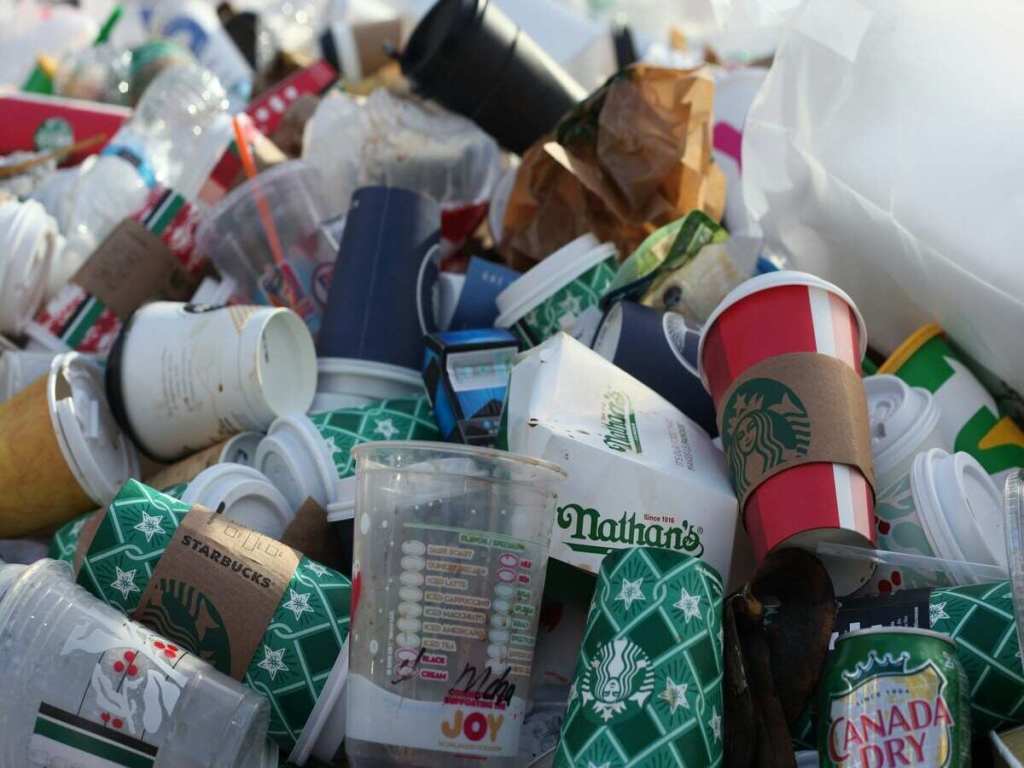
More than 8.3 billion tons of plastic has been produced by humans since the 1950s, 79% of which has landed up in dumps, landfills, and the natural environment. Scientists warn that if our patterns of plastic production and disposal continue, our oceans could contain more plastic than fish as soon as 2050.
To avoid microplastics in food, choosing between filtering tap water and opting for water from a reliable source plays a pivotal role. Filtering tap water provides a practical solution, as it eliminates potential microplastic contaminants that might find their way into our drinking water through various environmental factors. By investing in a high-quality water filtration system, you can rest assured that your family’s drinking water source does not contain harmful microplastics, contributing to ensuring the best health.
On the other hand, selecting water from a trustworthy natural source, such as springs or wells, can be a viable option. Such sources often boast pristine water quality, minimizing the risk of microplastic contamination and offering a refreshing, natural alternative. Both choices emphasize the significance of conscious decision-making, promoting clean water consumption to safeguard ourselves from the potential hazards of microplastics in our food.
Using eco-friendly bottles made of materials such as glass or stainless steel is indeed a good way to reduce the risk of microplastic contamination in beverages. Both glass and stainless steel are non-toxic, reusable, and recyclable materials, making them environmentally friendly alternatives to single-use plastic bottles.
Instead of using single-use plastic bags, carry reusable cloth bags when you go shopping. Many stores now offer reusable bags, and they are durable and can be used multiple times. When purchasing clothes, choose natural fibers like cotton, linen, or wool over synthetic fibers. Synthetic fabrics like polyester release microplastics when washed, which can end up in the oceans.
Microwaving food in plastic containers can potentially lead to the release of harmful chemicals, including microplastics, into the food. When plastic containers are exposed to heat, especially in a microwave, they can break down and release microplastic particles and other chemicals. This process happens even faster when you use old, scratched, or worn plastic containers.
To avoid microplastics in food, it is advisable to use microwave-safe glass or ceramic containers instead of plastic ones. Glass and ceramic containers do not leach harmful chemicals or microplastics, ensuring that your meals remain free from these contaminants. Doing these simple activities in your kitchen habits can significantly reduce the risk of ingesting microplastics and other potentially harmful substances with your food.
The use of microbeads – visible plastic particles usually used for exfoliation – in rinse-off cosmetics was banned in 2015, but companies have found ways around the rule. Look at the ingredients lists on products to make sure that plastic isn’t included, including terms synonymous with plastic like “acrylate copolymer,” among others. Opt instead for microbead and plastic-free options, or natural products with biodegradable alternatives to microbeads.
Harmful chemicals also exist in these plastic-laden products. Body products with fragrance often have phthalates, so look for products that say “fragrance-free” (not merely “unscented) or “phthalate-free” when purchasing face wash, toothpaste, and other frequently-scented items.
As microplastics continue to infiltrate our food supply, it’s crucial to take steps to reduce exposure:
- Choose Sustainable Seafood: Opt for seafood from sustainable sources and regions with lower pollution levels.
- Filter Tap Water: Invest in a water filter to reduce the risk of microplastics in your drinking water and STOP using and buying plastic water bottles.
- Wash Produce: Thoroughly wash fruits and vegetables using a fruit & vegetable wash and/or baking soda & vinegar to remove pesticides, dirt, and minimize surface contamination.
- Reduce Plastic Use: Contribute to a reduction in microplastic pollution by using fewer single-use plastic products.
- Support Research: Advocate for further research and regulations to mitigate microplastic contamination in our food.
 Things we do for health