There is no legally binding or agreed upon definition of ultra processed foods, and according to a 2019 review article in the journal Current Developments in Nutrition, definitions used since 2012 vary hugely. For some food scientists, they are foods which are mainly made from additives of various types; for others, they are foods containing few or no wholefood ingredients, made with ingredients consumers can’t usually buy in shops (such as stabilisers), which are also often fortified and which take the place of freshly made meals or snacks. For still others, they are industrial formulations with five or more ingredients; or foods containing additives designed to mimic unprocessed foods or disguise any undesirable qualities in the finished product. Things can get very confusing: according to one definition, a tin of beans in tomato sauce is ultra-processed, but the same beans, canned in water, are merely moderately or minimally processed.
Fried chicken, crisps and ready meals: croissants, hummus, pesto, biscuits, bread sticks, gnocchi, cereal bars, ice-cream, fish fingers and curry paste are all UPFs. And in some UPFs, their original ingredients – whether they’re being processed to be long life, cheap or just conveniently moreish – become a blank (or bland) canvas for what’s added after. Ultra-processing strips out flavor in food – just because of the way it’s done – and flavor comes from the holy trinity of sugar, salt, and fat, which you have to add back in. So, on average, they are high in sugar, salt and fat, and low in protein and fiber, which makes the food very much more calorically available: you get a lot more out of a calorie in an ultra-processed food.
The energy from 100 calories in a high-fiber food like chickpeas won’t behave in the same way in the body as 100 calories in a low-fiber food, such as an iced bun. The energy from the chickpeas will take longer to be digested, be slower to reach our bloodstream – and, unlike the energy from the ultra-processed iced bun, is far less likely to cause an unwelcome rush of glucose and insulin or be stored as fat.
Why are processed foods on the rise?

Unfortunately, UPFs tend to be cheaper than fresh food, last longer, and some can be more appealing due to their high sugar content. UPF’s make up nearly 90% of the energy we get from added sugars. Whenever we have sugar, it releases dopamine, giving us a “rewarding” feeling, and many UPFs consist of enough sugar to more than fulfill our daily recommended intake. As such, it makes sense that there has been an increase in the amount we eat and drink. Some UPFs are considered so unhealthy that they are banned in over 100 different countries.
The over consumption of UPFs used to be an issue found mostly in lower socioeconomic groups in higher income countries. The ease of picking up something low in cost, easy to transport and store for a long time is hard to pass up for those on a limited budget or working long days. However, these ‘edible products’ have started to flood into low- and middle-income countries as well, contributing to higher rates of obesity and metabolic disorders. Research has found a strong link between high UPF intake and certain chronic diseases (NCDs) including but not limited to, type 2 diabetes, depression, and heart disease. Moreover, a diet high in UPFs has been shown to directly cause greater calorie intake (up to 500 kcal more daily) increasing the chances of certain health risks like being overweight, and living with obesity. As such, we now have a situation where we can be malnourished not through lack of food, but through an excess of empty calories.
Calories are nothing but simply the measure of energy. They are required for your body to function. However, excess calories can harm you in the long run because they get stored in the form of body fat. It is essential to maintain a balance between the calorie intake and the number of calories burned daily. The number of calories needed depends on your age, sex, metabolism, physical activities, etc. The general recommended daily intake of calories is 1,900 to 2,000 for women and 2,400 to 2,500 for men. There are various reasons why you should take calorie-rich foods, such as:
- Athletes require high-calorie foods to build their muscle mass.
- Some underlying diseases result in malnutrition. To overcome this, it is essential to have a high-calorie diet.
- A person recovering from illness may require high-calorie foods to energize. It is, however, advisable to choose nutritious foods with high calories in such cases.
What is caloric density?

Caloric density refers to the number of calories in a given volume or weight of food. Junk foods typically have a high caloric density, meaning they provide a significant number of calories in a relatively small serving. This characteristic is often due to their high fat and sugar content. Foods like chips, candy bars, and sugary beverages are prime examples of items that pack a lot of calories into small portions.
Many junk foods are designed to be hyper-palatable, meaning they are formulated to be irresistibly tasty. This can lead to overeating, as individuals may consume more than they realize. Understanding caloric density is crucial because it can help consumers recognize that not all foods are equal in terms of their energy content, which can significantly impact overall caloric intake.
Moreover, the caloric density of junk foods can be misleading. For instance, a small bag of chips may seem like a harmless snack, but it can contain as many calories as a full meal. This discrepancy can lead to unintentional weight gain and other health issues over time, making it vital to be aware of the caloric content of these foods.
Lastly, the relationship between caloric density and satiety is worth noting. Foods high in water and fiber tend to be more filling, while those high in fat and sugar may not satisfy hunger as effectively. This can create a cycle of overeating, where individuals consume high-calorie junk foods without feeling full.
When analyzing popular junk foods, several items stand out due to their exceptionally high caloric content. For instance, a standard serving of fried potato chips can contain around 150-300 calories, depending on the brand and flavor. This calorie count can increase significantly if one indulges in larger servings or additional dips.
Candy bars are another significant contributor to high caloric intake. A single candy bar can range from 200 to 500 calories, with some variations exceeding this range. The combination of sugar and fat in these products makes them particularly energy-dense, leading to quick spikes in blood sugar levels that can also result in subsequent crashes.
Fast food items are notorious for their high caloric content as well. A typical cheeseburger can contain upwards of 300-600 calories, while larger sandwiches and fried items can easily exceed 1,000 calories per serving. The combination of refined carbohydrates, unhealthy fats, and added sugars in these meals contributes to their high caloric density.
Lastly, sugary beverages, including sodas and energy drinks, are often overlooked in discussions about junk food. A single 12-ounce can of soda can contain around 150 calories, primarily from sugar. When consumed in large quantities, these beverages can contribute significantly to daily caloric intake without providing any nutritional value.
Pop Tarts
Kellogg’s Pop Tarts have been around since the 1960s. These pastries have a sweet filling and are often glazed with an outer coating of frosting as well. Pop Tarts can be a tempting breakfast choice when you’re short on time. You can store them at room temperature and quickly prepare them in a toaster. But despite their convenience, Pop Tarts contain highly processed ingredients, including soybean oil and refined flour. Plus, they are loaded with three types of sugar: refined white sugar, corn syrup and high fructose corn syrup.
All of these consist of large amounts of fructose, a simple sugar that has been linked to an increased risk of several diseases, including diabetes and heart disease. The nutrition information on the Pop Tarts label refers to the amount in one pastry. However, each package contains two pastries, so this is a more realistic serving size. Two Frosted Strawberry Pop Tarts contain 400 calories, 76 grams of carbs, less than 2 grams of fiber and a mere 4 grams of protein.
Curly Fries
French fries are one of the most popular fast food items around. In spite of their popularity, these deep-fried potatoes are very unhealthy. Studies have linked deep-fried foods to inflammation, heart disease and impaired artery function, among other health problems. What’s more, fries are extremely high in calories and fast-digesting carbs. Arby’s Curly Fries are a perfect example. A large order contains 650 calories, 35 grams of fat and 77 grams of carbs, only 7 of which are fiber.
Starbucks White Chocolate Mocha Frappuccino

Coffee is a calorie-free beverage that provides a number of impressive health benefits. However, sweetened coffee drinks should be considered a liquid form of junk food. This is true for hot coffee drinks like mochas and lattes, as well as for frozen blended coffee beverages. A “grande” (medium) serving of these drinks typically contains 250 calories or more.
The worst Starbucks drink choice is the White Chocolate Mocha Frappuccino with whipped cream. A grande packs 520 calories and 65 grams of carbs, 64 of which come from sugar. Moreover, research has shown that drinking liquid calories doesn’t trigger the same fullness signals as calories from solid food. Therefore, when you drink something sweet, you’re unlikely to compensate by eating less of other foods later.
The Blooming Onion
Although most junk food can be found in the snack aisle of the grocery store or at fast food chains, there are also some sit-down restaurant items that meet junk food criteria. Take the Bloomin’ Onion at Outback Steakhouse, for instance. Although considered an appetizer, it is actually one of the highest-calorie items on the entire menu.
One Bloomin’ Onion consists of a staggering 1,954 calories and 122 grams of carbs. It also contains 154 grams of fat, including more than 7 grams of trans fat, the type you should seek to avoid completely. While this very large appetizer is meant to be shared by two or more people, even consuming one quarter of this deep-fried dish will still add trans fat and a lot of empty calories to your meal.
Burger King Oreo Shake
Milkshakes have been popular at fast food restaurants for several decades. However, today’s shakes are sweeter and larger than ever before, resulting in calorie counts that are much higher than you may expect.
The Oreo Milkshake from Burger King weighs in at 730 calories, which is more than most hamburgers. In addition, it contains 121 grams of carbs, 100 from sugar alone. Importantly, at least half of this sugar is fructose, which has been shown to contribute to heart disease, insulin resistance, obesity and other health problems
McDonald Triple Thick Milkshake
McDonald’s is best known for its burgers, including the Big Mac and Quarter Pounder with Cheese. Although these burgers are high in calories, carbs and fat, their values pale in comparison to those found in a certain McDonald’s milkshake. A large Triple Thick Milkshake contains 1,100 calories — the number you’d find in two Big Macs. In addition, it has 193 grams of carbs, 135 from sugar.
The small amount of trans fat in this product occurs naturally in the milk and doesn’t carry the health risks that industrial trans fats do. This is at least three to four times the amount of sugar you should consume for the whole day. However, this shake’s extremely high calorie and sugar counts make it one of the unhealthiest junk food choices on the entire McDonald’s menu.
How high calorie foods impact our health?
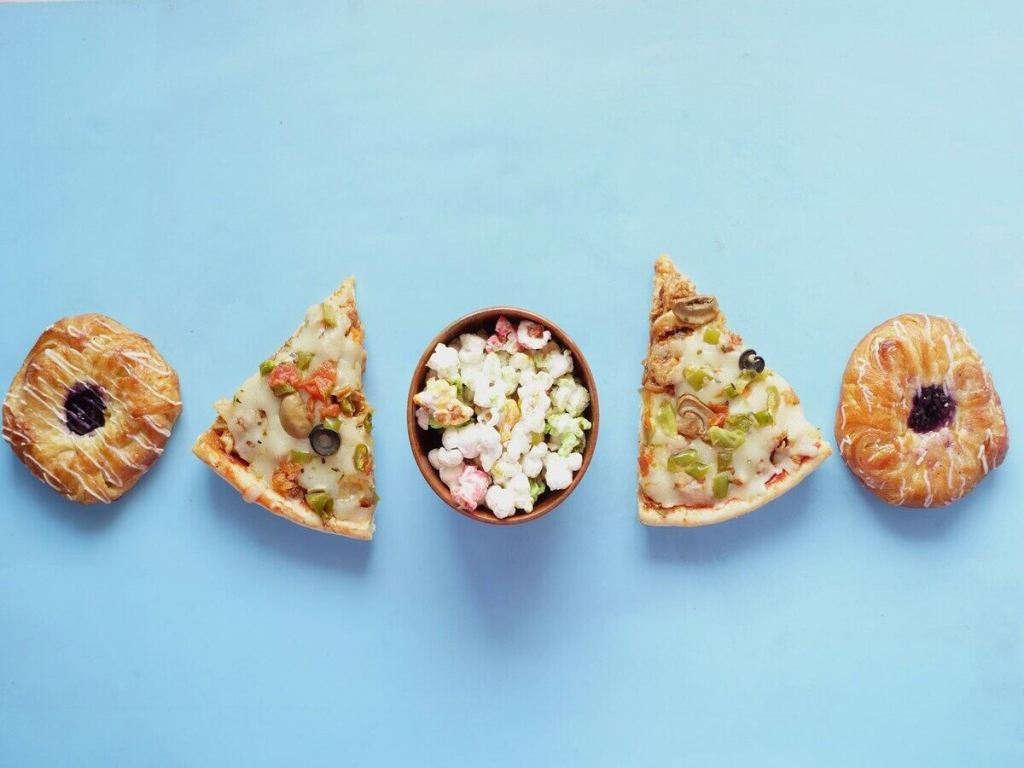
Regular consumption of high-calorie junk foods can lead to a myriad of health issues. One of the most significant concerns is the risk of obesity, as excessive caloric intake without adequate physical activity can result in weight gain. Obesity is a known risk factor for various chronic diseases, including type 2 diabetes, heart disease, and certain cancers.
Additionally, high-calorie junk foods often lack essential nutrients, leading to deficiencies that can impact overall health. A diet rich in processed foods may result in insufficient intake of vitamins, minerals, and fiber, which are crucial for maintaining bodily functions and preventing disease.
The consumption of high-sugar and high-fat foods can also lead to metabolic syndrome, a cluster of conditions that increase the risk of heart disease and stroke. This syndrome is characterized by increased blood pressure, high blood sugar levels, excess body fat around the waist, and abnormal cholesterol levels.
Furthermore, the psychological effects of consuming junk food should not be overlooked. Many individuals experience guilt or shame after indulging in high-calorie snacks, which can lead to a negative relationship with food. This cycle of guilt and indulgence can perpetuate unhealthy eating patterns and contribute to emotional eating.
To effectively moderate junk food consumption, individuals can adopt several strategies. One of the most effective methods is to plan meals and snacks ahead of time. By preparing healthy options in advance, individuals are less likely to reach for high-calorie junk foods when hunger strikes.
Another strategy is to practice mindful eating, which involves being present during meals and paying attention to hunger cues. This approach encourages individuals to savor their food and recognize when they are satisfied, reducing the likelihood of overeating.
Portion control is also crucial in moderating junk food consumption. Using smaller plates and bowls can help create the perception of larger portions, making it easier to enjoy treats without overindulging. Additionally, reading nutrition labels can provide valuable information about serving sizes and caloric content, empowering consumers to make informed choices.
Lastly, finding healthier alternatives to junk food can significantly reduce caloric intake while still satisfying cravings. Opting for air-popped popcorn instead of chips or dark chocolate instead of candy bars can provide a similar taste experience with fewer calories and added nutrients.
 Things we do for health