Edible vegetable oil is oil that is extracted from various types of fruits, seeds, grains, and nuts. The most popular edible oils are made from canola, palm, peanut, safflower, coconut, corn, olive, soybean,rice bran,mustard and sunflower. It is used to cook food and also add flavor to the food.
Edible oils are commonly used in industrial food manufacturing and home cooking worldwide and are the primary source of unsaturated fats and vitamin E in human diets. However, as with all food products, there is the potential for potentially toxic contaminants to occur in oils. The intentional addition of a lower grade, less expensive oil for economic gain, generally referred to as economically motivated adulteration (EMA), is one route for the introduction of contaminants. It is possible for a food producer to significantly increase profits through this type of substitution. The impact on the consumer can extend beyond simple economics, as there have been cases where this fraudulent practice has resulted in serious public health consequences.
Most vegetable oil is 100% soybean oil. Just check the label to be sure. Why is that important? Well, most soybeans are grown in the USA. In fact, the United States often ranks first in global soybean production. Land and climate in the U.S. are ideal for growing soybeans. This crop is grown in 31 states, but nearly every state could support it.
Edible oils are also susceptible to unintentional adulteration. Environmental conditions can lead to the appearance of pesticides, heavy metals, pyrolytic contaminants, polychlorinated biphenyls (PCBs), and dioxins in oils. Improper storage of oilseeds can lead to the production of mycotoxins, which are toxic secondary metabolites of mold. The fact that oils frequently undergo industrial processing prior to use in edible applications creates another opportunity for oil contamination. While processing is effective at removing some undesirable compounds that can negatively impact the health, taste, appearance, and shelf stability of oils, the industrial process itself can produce contaminants.
The continued increase in human population has resulted in the rise in the demand as well as the price of edible oils, leading to the search for alternative unconventional sources of oils, particularly in the developing countries. There are hundreds of under explored plant seeds rich in oil suitable for edible or industrial purposes. Many of them are rich in polyunsaturated essential fatty acids, which establish their utility as “healthy oils.” Some agrowaste products such as rice bran have gained importance as a potential source of edible oil. Genetic modification has paved the way for increasing the oil yields and improving the fatty acid profiles of traditional as well as unconventional oilseeds.
Are oils good for us?
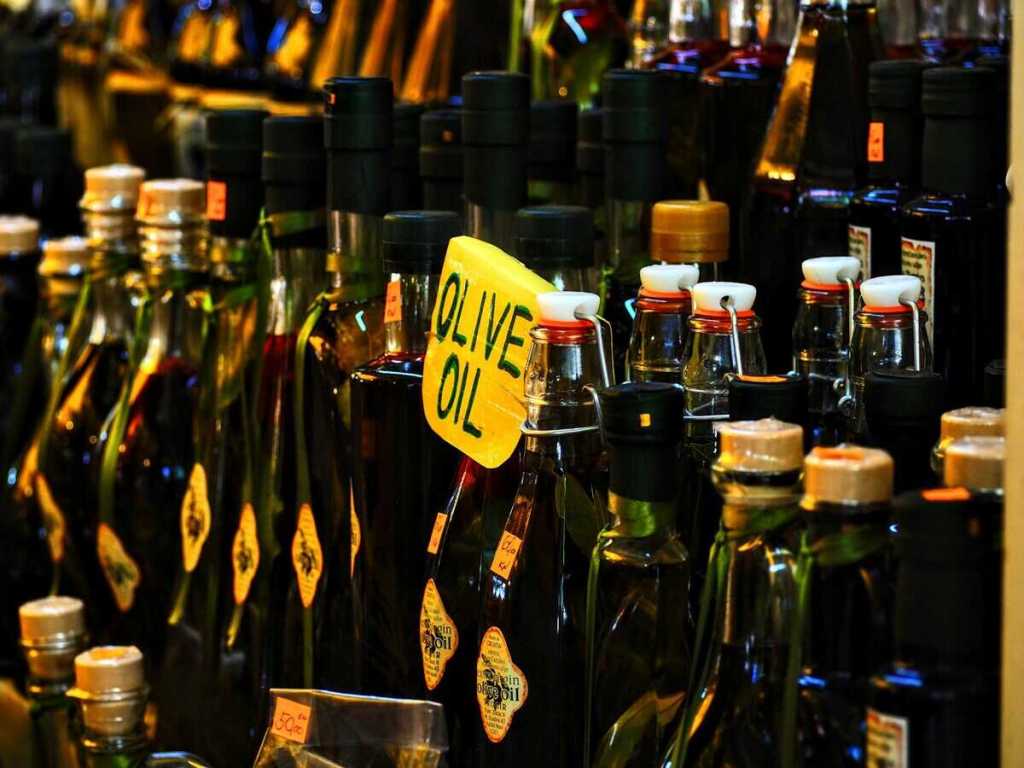
The consumption of vegetable oils has increased dramatically in the past century. Most mainstream health professionals consider them healthy, but vegetable oils may cause health problems. Their health effects vary depending on what fatty acids they contain, what plants they are extracted from, and how they are processed.
Edible oils extracted from plants are commonly known as vegetable oils. In addition to their use in cooking and baking, they’re found in processed foods, including salad dressings, margarine, mayonnaise, and cookies. Common vegetable oils include sunflower oil, soybean oil, and canola oil. Refined vegetable oils were not available until the 20th century, when the technology to extract them became available. These are extracted from plants using either a chemical solvent or oil mill. Then they are often purified, refined, and sometimes chemically altered. Health-conscious consumers prefer oils that are made by crushing or pressing plants or seeds, rather than those produced using chemicals.
Even the healthiest oils should be used in moderation since they are high in calories and primarily fat. When cooking with vegetable oils, consider the different types of fat.
Saturated fats. Saturated fats usually come from animal sources like lard and butter. They lead to higher cholesterol levels in your blood, putting you at risk for heart and cardiovascular diseases. When choosing an oil, look for one that is low in saturated fat.
Trans fats. Similar to saturated fat, trans fat contributes to an increased risk of heart and cardiovascular diseases. These fats are from foods that are high in hydrogenated or partially hydrogenated oils, such as processed food. These should be avoided when possible.
Monounsaturated fats. These are also called omega-9 fatty acid and oleic acid. Monounsaturated fats contribute to good cholesterol levels and reduce your risk of heart and cardiovascular diseases. Olive oil, canola oil, sunflower oil, hazelnut oil, and almond oil are all known for being high in monounsaturated fats.
Polyunsaturated fats. These are also called omega-3 and omega-6 acids. This type of fat helps to maintain cell membranes that regulate your body’s processes, like managing cholesterol metabolism in your bloodstream. Polyunsaturated fats also help your body absorb the fat-soluble vitamins A, D, E, and K.
Some oils, like olive oil, are simple to make. Olives only need to be crushed, and the resulting oil is filtered and ready for use. Other oils have more complicated processes. Plants, nuts, and seeds are crushed to produce their oil, which sometimes requires a chemical for complete extraction. The leftover solids are used for feeding animals and livestock.
Refining: Next, the oil gets treated with phosphoric acid, separating any gums from the oil. The oil also has to be treated with caustic soda, which removes free fatty acids that could give oil a soapy consistency.
Bleaching: After refinement, oil is heated and mixed with filter aids that serve to absorb any colors and impurities in the oil. These add-ins are removed after they’ve done their job.
Deodorizing: Finally, oil is heated to 480 degrees F. beneath a vacuum. This process produces steam bubbles that remove any remaining free fatty acids and impurities. Once deodorizing is complete, the oil is ready to be packaged and used in your kitchen.
What are the best types of oils?
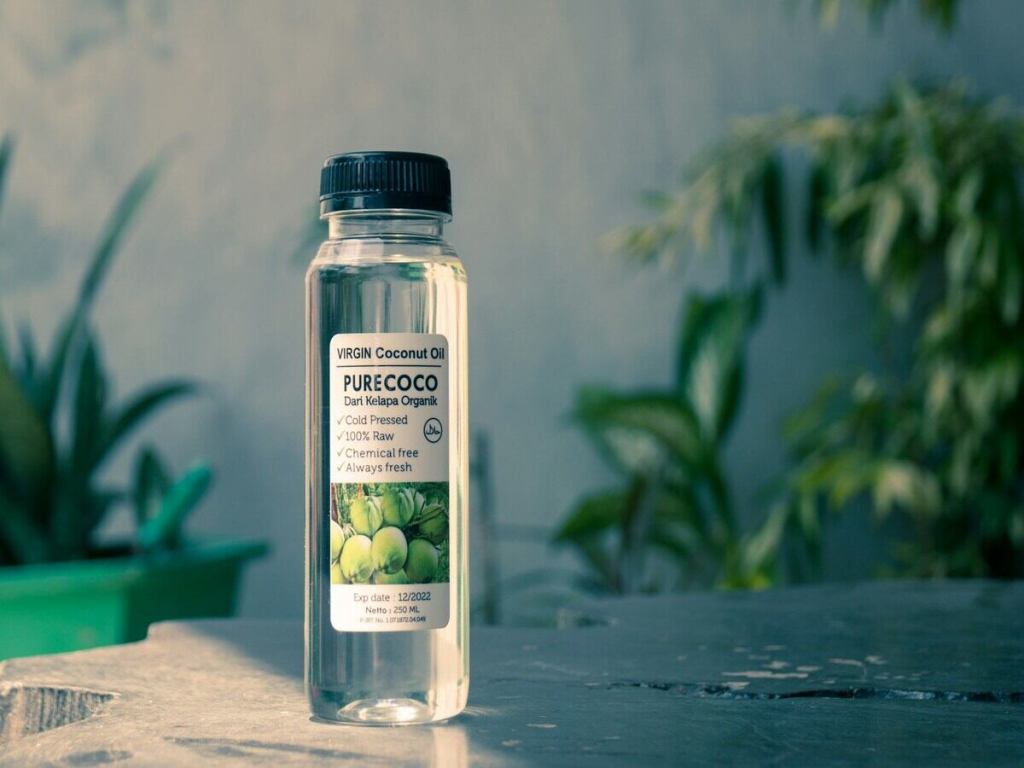
Most people use cooking oils regularly, as you can use them to prepare all sorts of dishes, including meat, eggs, vegetables, sauces, and certain grain dishes. People often focus on how to choose a healthy oil. However, the healthiness of an oil when it comes off the grocery shelf is only part of the story. It’s also important to consider whether the oil is still healthy to eat after you’ve heated it during cooking. This is because cooking oils have a range of smoke points or temperatures at which they’re no longer stable. You should avoid using cooking oils for cooking at temperatures above their smoke point.
When cooking oils are heated, particularly at high heat, they eventually reach their smoke point. This is the temperature at which the oil is no longer stable and begins to break down.
When oil breaks down, it begins to oxidize and release free radicals. These compounds can have negative health consequences, potentially causing cellular damage that may lead to disease development. Furthermore, oils that reach their smoke point release a substance called acrolein, which can create an unpleasant burnt flavor. Airborne acrolein may be dangerous to your lungs.
Olive oil
The smoke point of olive oil is approximately 350°F (176°C), which is a common cooking temperature for many recipes, particularly those for baked goods. Olive oil has long been the gold standard for cooking oils in kitchens across the globe. This is largely because it’s versatile. It has a subtle peppery or grassy flavor, and you can use it for baking, sautéing, or cold dressings.
Olive oil is rich in vitamin E, which acts as an antioxidant. The primary fatty acid in olive oil is a monounsaturated fat called oleic acid. Studies have shown that oleic acid may have anticancer and anti-inflammatory properties.
Additionally, olive oil contains antioxidant compounds called oleocanthal and oleuropein. These may have anti-inflammatory effects, including lowering blood pressure and helping prevent LDL (bad) cholesterol from oxidizing. Research has found that olive oil contains heart-healthy compounds and may help prevent conditions like obesity, metabolic syndrome, and type 2 diabetes.
Avocado oil
Avocado oil has a smoke point of approximately 520°F (271°C), making it great for high heat cooking like deep frying. It has a neutral, avocado-like taste, which makes it perfect for sweet or savory cooking. It also has a nutritional composition similar to olive oil, with a high percentage of the heart-healthy fat oleic acid.
One review concluded that it maintains its nutritional quality at low and high temperatures. The quality and nutritional makeup of avocado oil depend on various factors, including where the avocados were grown and the extraction method used.
Some older animal studies have indicated that compounds in avocado oil may help protect the liver in response to metabolic disease and help lower blood pressure, LDL (bad) cholesterol, and triglycerides, high levels of which may increase your risk of heart disease and heart attack.
Avocado oil may even be beneficial for reducing osteoarthritis-related joint pain, post-meal blood sugar, and total cholesterol levels. It can also enhance the absorption of other nutrients and protect cells against free radical damage, according to small human and animal trials.
Sesame oil
Sesame oil has a medium-high smoke point of approximately 410°F (210°C). It’s high in the heart-healthy antioxidants sesamol and sesaminol, which may have various benefits, including potential neuroprotective effects against certain diseases like Parkinson’s.
Plus, one small study among 46 people with type 2 diabetes found that using sesame oil for 90 days significantly improved fasting blood sugar and long-term biomarkers of blood sugar management. Sesame oil works well for sautéing, general purpose cooking, and even as a salad dressing. It offers a mild nutty flavor that can work well in a number of stovetop dishes. Note that regular sesame oil differs from toasted sesame oil. The latter has a more amplified nutty flavor, making it more suitable for finishing a dish than cooking one.
Safflower oil
The smoke point for safflower oil is higher, sitting at approximately 510°F (265°C). Safflower oil is made from the seeds of the safflower plant. It’s low in saturated fat and contains a higher percentage of unsaturated fatty acids.
Safflower oil is available with different amounts of linoleic and linolenic acids. High oleic safflower oil has at least 70% linoleic acid. Replacing other types of fat with high oleic safflower oil could help reduce the risk of coronary heart disease. This oil offers a neutral flavor that works well for marinades, sauces, and dips, as well as barbecuing and frying on the stovetop.
Not all oils are stable enough or intended for use in cooking, particularly in high heat preparations. Others do better in cold preparations or used as dietary supplements.
The following oils are best to avoid when it comes to high heat cooking:
- Fish or algae oil: These are intended to be omega-3-rich dietary supplements that you should take cold and in small doses. Don’t use these products for cooking purposes.
- Flax oil: While high in the heart-healthy unsaturated fatty acid alpha-linolenic acid (ALA), this oil has a low smoke point at around 217°F (103°C), and you should reserve it for cold uses like salad dressings.
- Palm oil: Health-wise, palm oil is calorie dense. The main problem here is ethical, as the production of palm oil has been strongly linked to rain-forest destruction and a loss of biodiversity.
- Walnut oil: This oil is high in ALA and offers some anti-inflammatory and potential anticancer benefits. However, it’s also best to reserve for cold preparations like salad dressing. It has a lower smoke point, and goes rancid quickly, so storing it in the refrigerator will help preserve its shelf life
What to consider when choosing an oil?
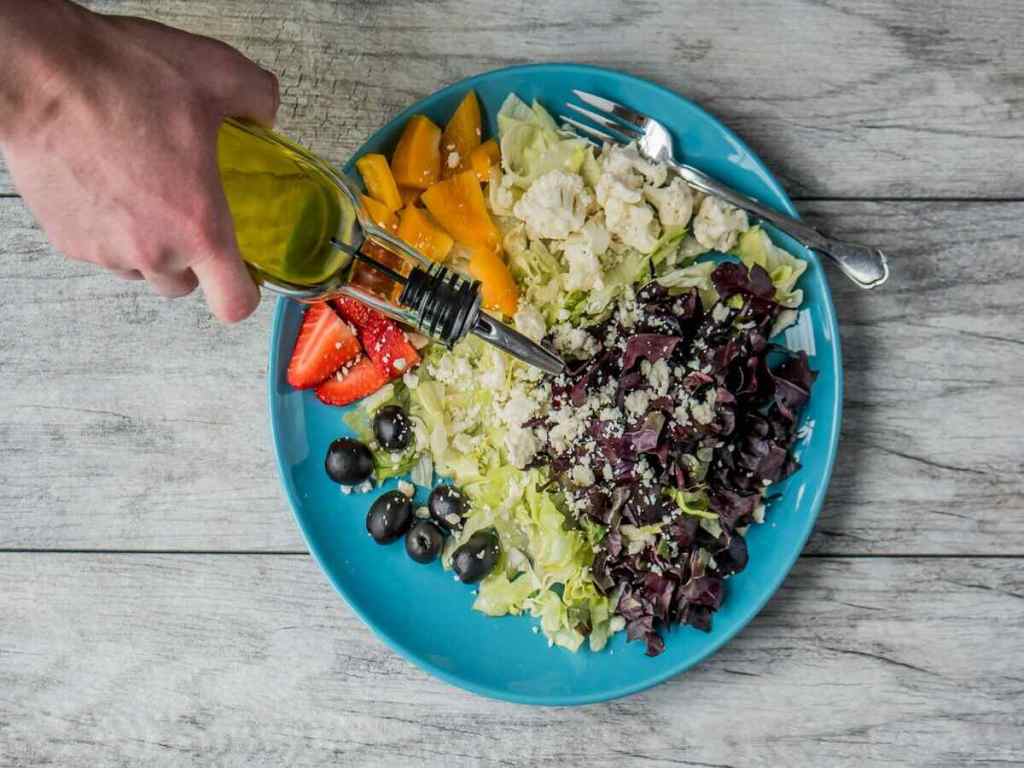
As a general rule, choose cooking oils high in monounsaturated or polyunsaturated fats. This is both due to their health benefits and the negative impact saturated fats can have on heart health.
Avoid saturated fats. Saturated fats can cause high cholesterol and lead to dangerous blockages that cut off blood supply to important organs such as the heart and brain. This is why unhealthy diets, specifically high amounts of saturated fat, put you at risk for heart attacks and strokes.
The American Heart Association recommends eating just 13 grams of saturated fat per day, and they also suggest using oils that have fewer than four grams of saturated fat per tablespoon and are free of hydrogenated oils or trans fats. For example, a tablespoon of butter has eight grams of saturated fat.
Stick to monounsaturated and polyunsaturated fats. Instead of cooking with oils high in saturated fats, opt for plant-based vegetable oils, such as avocado or olive. These oils contain high levels of either monounsaturated fats or polyunsaturated fats.
When eaten in moderation, monounsaturated and polyunsaturated fats from plants can help lower triglycerides and LDL (bad) cholesterol levels. High levels of blood cholesterol can clog or block arteries in your blood vessels, increasing your stroke and cardiovascular risk. Cooking oils with high levels of monounsaturated and polyunsaturated fats also provide nutrients needed for cell health.
Polyunsaturated fats are essential fatty acids, meaning you need them to function. But, your body doesn’t make omega-3 and omega-6 fatty acids on its own, so you must get them from the foods you eat. Polyunsaturated fats help produce hormones that assist with everyday bodily functions such as blood clotting and muscle movement.
Fats are an integral part of health. Adding healthy fats to meals and snacks can increase nutrient absorption, support heart health, and enhance flavor, all while adding to the satiety factor of your food.
Equally important is the choice of the right kind of fats; this includes cooking oils. Whereas some oils are more appropriate for higher-heat cooking and may also have conferring health benefits, others could be detrimental to your health when used too much.
 Things we do for health