Even though nutrition experts say it’s a good idea to eat nuts to keep your heart healthy, only four in 10 American adults eats nuts on any given day, and more women than men consume nuts, according to a recent federal study.
Nuts are packed with nutrients and high in protein, and their consumption has been linked in studies to a reduced incidence of heart disease in both men and women. Federal dietary guidelines say that 1.5 ounces of nuts, or about a handful, is the daily amount that may reduce heart disease. That’s roughly between 240 and 280 calories, depending on the type of nut.
The new report by the Centers for Disease Control and Prevention found that almost 40% of adults ate nuts on a given day, that older men and women (age 60 and over) ate more nuts than their younger counterparts, and that whites ate far more nuts than did other racial groups.
Most nuts were eaten as stand-alone items, but consumption included nut butters and nuts as ingredients in candy, breads, cookies and other mixed food. The study definition of nuts includes a wide variety of nuts as well as peanut butter, pumpkin seeds, sesame paste and tahini. Still, of those who were eating nuts, only 14% of men and 12% of women were eating the recommended amount for cardiovascular health.
Nuts are actually fruits. They are defined as dry, single-seeded fruits that have high oil content. They are usually enclosed in a leathery or solid outer layer. In botany terms, nuts are strictly a particular kind of dry fruit that has a single seed, a hard shell, and a protective husk. Chestnuts, hazelnuts, pecans and walnuts fit the true definition of a nut. Peanuts and almonds do not meet the botanical definition of a true nut. Peanuts are actually legumes and a fleshy coat like a plum surrounds almonds. Whether they are true “nuts” or not, people throughout the world enjoy these fruits.
The United States produces an abundance of tree nuts with California being the country’s leading producer of tree nuts. Nearly 90% of each year’s nut production is harvested from the state’s orchards, including almost all almonds, pistachios and walnuts. U.S. tree nut production in 2022 totaled 3.48 million tons, 12% below the previous year.
The health benefits of eating nuts
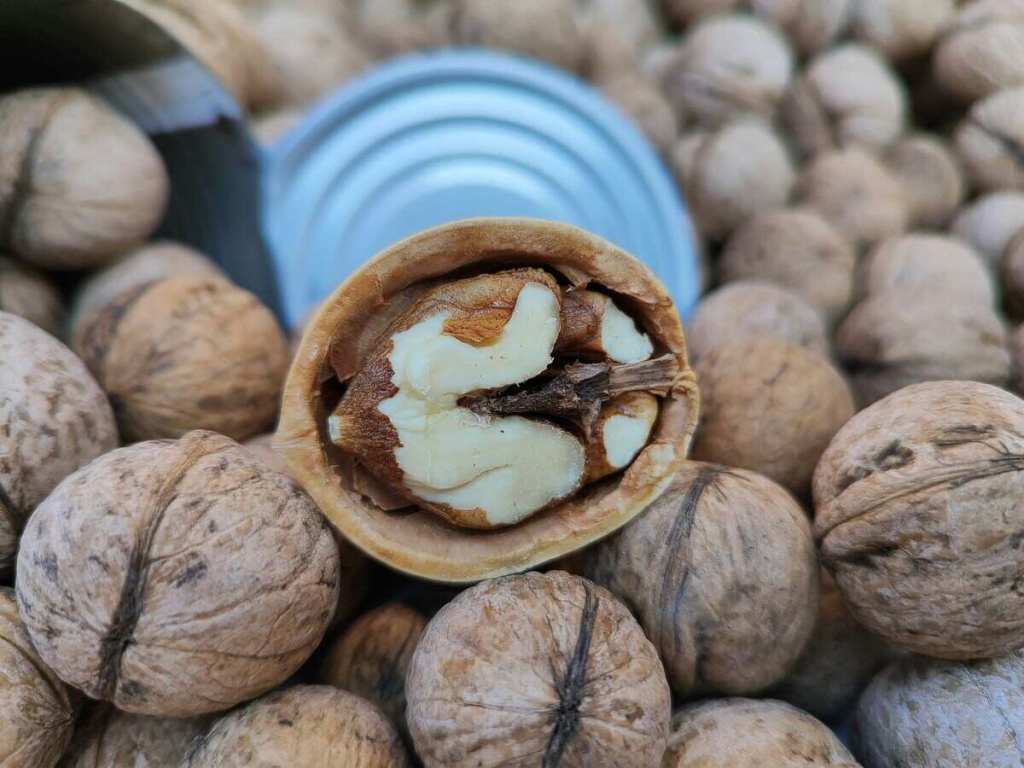
Eating nuts as part of a healthy diet may be good for the heart. Nuts contain unsaturated fatty acids and other nutrients. And they’re a great snack food. They are inexpensive, easy to store and easy to pack when you’re on the go. One drawback to nuts is that some may be high in calories. So it’s important to limit portions. But choosing nuts instead of a less healthy snack may help you stick to a heart-healthy diet.
Research has found that frequently eating nuts lowers levels of inflammation related to heart disease and diabetes. Regularly eating a healthy diet that includes nuts may:
- Improve artery health.
- Reduce inflammation related to heart disease.
- Decrease the risk of blood clots, which can lead to heart attacks and strokes.
- Lower the risk of high blood pressure.
- Lower the risk of early death due to heart disease.
- Lower unhealthy cholesterol levels, specifically triglycerides and low-density lipoprotein, also called LDL or “bad” cholesterol.
Nuts are a good source of protein. Most nuts also contain at least some of these heart-healthy substances:
- Unsaturated fats. It’s not entirely clear why, but it’s thought that the “good” fats in nuts — both monounsaturated and polyunsaturated fats — lower bad cholesterol levels.
- Omega-3 fatty acids. Many nuts are rich in omega-3 fatty acids. Omega-3s are healthy fatty acids. They may reduce the risk of heart attacks and strokes.
- Fiber. All nuts contain fiber, which helps lower cholesterol. Fiber also makes you feel full, so you eat less.
- Plant sterols. Some nuts contain plant sterols, a substance that can help lower cholesterol. Plant sterols are often added to products such as margarine and orange juice for additional health benefits, but sterols occur naturally in nuts.
- L-arginine. Nuts are also a source of L-arginine. Some research suggests that L-arginine may lower blood pressure, improve cholesterol and improve overall blood vessel health.
Nuts, such as almonds, are known to contain flavonoids, a group of compounds naturally present in plant-based foods. They are not only rich in antioxidants, but they may also have the ability to protect you from free radicals that could lead to the hardening of blood vessels (aka atherosclerosis) and increase the risk of heart disease.
Depending on the type of nuts you eat, you may ingest more antioxidants. Specifically, almonds and cashews are noted to have the most significant amounts of tocopherol, a form of vitamin E that is also an antioxidant associated with lower inflammation and cancer risk.
Which are the healthiest nuts?
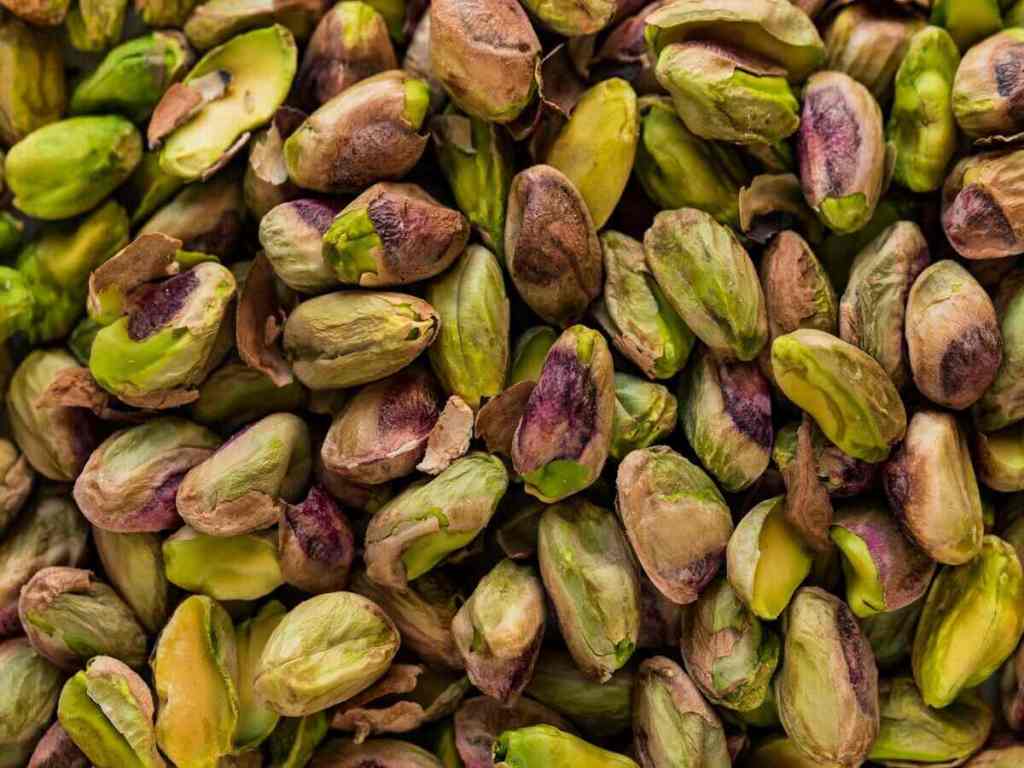
The healthiest nuts are packed with a variety of nutrients like unsaturated fat, protein, fiber, and more. There are many health benefits to nut consumption, including weight management, reducing your risk of heart disease, lowering blood pressure, supporting the immune system, and improving cognition.
- Pistachios are a great source of plant-based protein because they are one of the few plants that contain all nine essential amino acids in adequate quantities. This means that they are a complete protein, which some plant-based eaters may find difficult to fulfill in their diets. “Another benefit of pistachios is that they are a good source of melatonin, which promotes healthy sleep. Also, a pistachio’s signature green color comes from a variety of phytochemicals, lending to their antioxidant and anti-inflammatory properties.
- Walnuts might just be a good-mood food. Studies have found that walnuts promote cognitive health and mental health because of their antioxidant and anti-inflammatory properties, though more research is needed. In a study that looked at the mental health of stressed-out students and found that 56 g of walnuts a day (two oz) improved mood as well as gut microbe biodiversity. Walnuts also provide a significant amount of omega-3—2.5 g in the form of ALA (alpha linoleic acid). It is recommended storing them in your refrigerator or freezer, as the omega-3 content may make them oxidize and spoil more easily than some other nuts.
- Brazil nuts can offer more than your daily value for selenium, an essential component that plays a key role in reproduction, thyroid health, and the prevention of cell damage and infections. Just be aware that the tolerable upper intake level of selenium is about 400 mcg and Brazil nuts contain 68–91 mcg per nut. Try not to exceed three nuts per day (because they are so large, 1–2 is plenty satisfying). The nuts contain other beneficial micronutrients like zinc, copper, and magnesium, as well as phytonutrients that act as antioxidants.
- Almonds are a heart-friendly addition to your diet. They’re also a rich source of fiber, calcium, magnesium, and vitamin E. Research shows that whole almonds may support gut health through their prebiotic properties. Bonus that many of the phytochemicals are housed in the fibrous almond skin. Almond flour is a delicious, nutty addition to baked goods.
- Peanuts are often consumed like nuts and offer many of the same nutritional benefits, like healthy fats and protein. In fact, peanuts boast more protein than most nuts, clocking in at over 7 g per 1-oz serving. (Almonds and pistachios have about 6 g of protein, cashews have about 5 g, and walnuts have 4 g in the same serving size).
- Cashews contain a bundle of essential minerals like zinc, copper, magnesium, and manganese (key for energy production, immune support and bone health, among other functions). They’re also rich in leucine, the essential amino acid that triggers muscle synthesis.
- Hazelnuts are full of antioxidants, which protect the body from oxidative stress (an imbalance between molecules in your body that can lead to various diseases). Eating hazelnuts, especially with the skin on where antioxidant activity is stronger, has been shown to reduce oxidative stress.
Which nuts you should try to avoid?
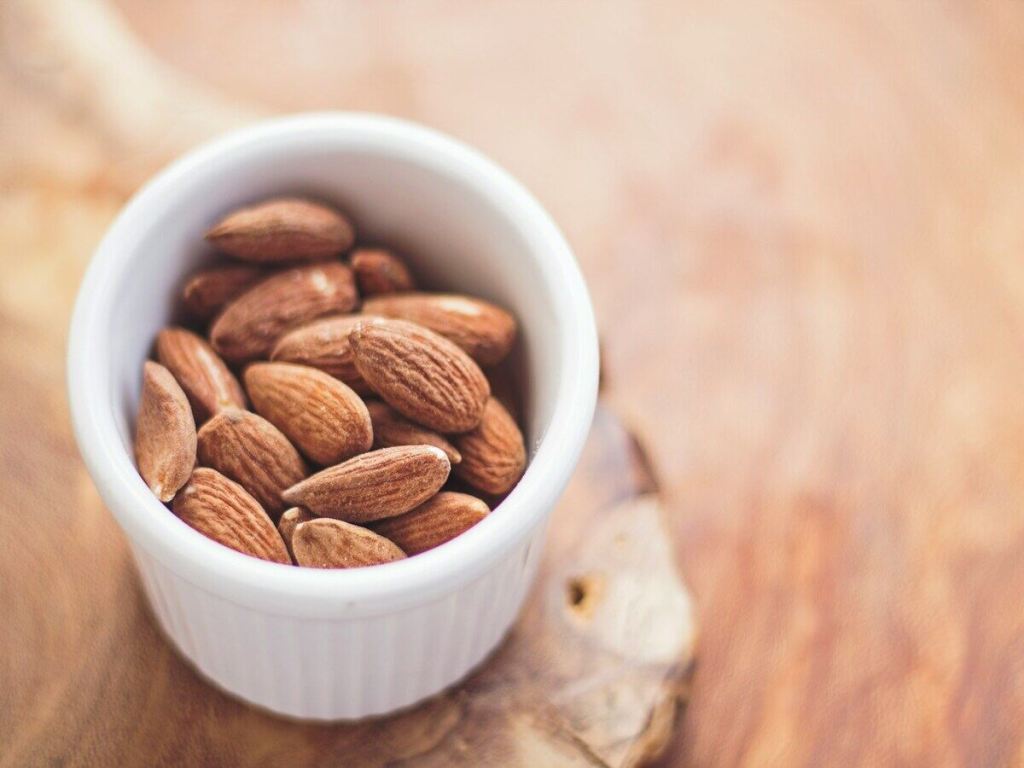
Nuts have long been celebrated for their delectable taste, nutritional benefits, and wide range of uses in delicious recipes. From sprinkling them on salads to using them as a key ingredient in desserts, nuts add a delightful crunch and a savory, buttery flavor to all kinds of meals. Packed with essential nutrients and healthy fats, nuts offer a host of health benefits, including promoting heart health, aiding in weight management, and providing a valuable source of energy.
However, among the whole host of delicious nuts out there, a few specific kinds do warrant caution for some individuals. Allergies to nuts, one of the most common food allergies, can lead to severe reactions and even life-threatening situations. Apart from allergies, certain nuts contain toxins or compounds that are harmful when ingested, making them unsuitable for consumption. Moreover, individuals with specific health conditions, such as heart disease or cholesterol concerns, may need to be mindful of the fat content in some nuts.
If you have concerns about your cholesterol levels or are at risk for heart conditions, it’s important to consider the saturated fat content in macadamia nuts. Fifty grams of macadamia nuts contain about 7.6 grams of saturated fat — for comparison, a 2,000-calorie diet should only contain up to 22 grams of saturated fat per day. Medline Plus points out that high saturated fat intake is linked to an increased risk of heart disease and can elevate LDL cholesterol levels, often referred to as “bad” cholesterol.
The good news is that the vast majority of the fat in macadamia nuts is monounsaturated fat, which is considered heart-healthy. Monounsaturated fats have been shown to have a positive impact on reducing LDL cholesterol levels. Monounsaturated fats can also help improve overall heart health, lower blood pressure, and reduce inflammation. The heart-healthy monounsaturated fats found in macadamia nuts can also aid in weight management, as they contribute to a sense of fullness and satisfaction after meals, potentially reducing overall calorie intake. However, the nuts themselves are high in calories and should be eaten in small portions.
Macadamia nuts are also a good source of other nutrients like vitamin B1 (thiamin) and manganese. These nutrients play essential roles in energy production, nerve function, and bone health, making macadamia nuts a nutritious and tasty snack option.
Bitter almonds look identical to regular almonds, so you wouldn’t be able to tell the difference at first glance. But bitter almonds aren’t available in grocery stores because of their risk of toxicity. Bitter almonds contain amygdalin, which is a compound that your body converts into cyanide when ingested. Cyanide is a highly toxic substance that can lead to severe poisoning symptoms and, in high enough doses, could even be fatal. If you ingest bitter almonds, you could find yourself experiencing symptoms of cyanide poisoning, which, as the CDC reports, might include weakness, nausea, vomiting, confusion, a rapid heart rate, difficulty breathing, and seizures. In the most severe cases, cyanide poisoning can result in cardiac arrest and death.
Some people love pine nuts and enjoy them regularly as a tasty snack, but some individuals may want to avoid certain kinds altogether. While not overly common, some people experience a phenomenon called “pine mouth” which occurs when eating certain types of pine nuts. A 2012 abstract from the U.S. Department of Agriculture pinpointed nuts that come from the stone pine (pinus armandii) as the likely culprit.
But what is “pine mouth”? It’s a strong and unpleasant metallic or bitter taste in the mouth that some people experience after eating pine nuts. People who experience this condition often describe it as “coppery” and compare it to sucking on old pennies. The awful taste typically develops within a day or two after consuming pine nuts and can persist for as long as four weeks. We’re not entirely sure what causes pine mouth, but according to the BBC, the condition is almost always temporary, and it doesn’t cause any permanent harm. However, while you’re experiencing it you may be bothered or put off by other foods.
Not everyone will have this strange taste experience, but it’s better to be safe than sorry. To avoid falling victim to pine mouth, try to buy your pine nuts from reputable brands that source their pine nuts from pine tree varieties that have not been linked to the condition.
 Things we do for health