Fast food in the U.S. has grown from a $6-billion-a-year industry in 1970 into a corporate juggernaut with a reported $200 billion in annual revenues in 2015. Especially because “meat,” dairy, and eggs are the main ingredients in fast food, the exponential increase in its consumption has engendered a wide range of negative social impacts—including rapidly rising rates of diet-related disease, worker exploitation, systemic animal abuse, and environmental degradation.
The fast-food industry’s economic clout has not only enabled it to effect a radical shift in the country’s eating patterns (as well as those around the globe), but it has also fundamentally altered the very way that food is produced. The industry’s enormous purchasing power and demand for vast amounts of cheap animal products are among the principal driving forces behind factory farming, as well as the massive government subsidies for staple animal feed crops like corn and soy that sustain it. As a result of the industry’s excessive economic influence, gigantic multinational corporations like McDonald’s, Burger King, and KFC make huge profits selling fast food at artificially reduced prices.
Unfortunately, it also appears that children in the U.S. are eating more fast food. A 2016 survey by researchers at the University of Connecticut reported that there was a 12% increase in parents buying their children fast-food meals compared with a past survey done in 2010, and even though fast-food chains have been offering healthier options, most kids are still eating the unhealthy sides and drinks.
In 2012, fast-food companies collectively spent $4.6 billion on advertising, and with that kind of money, these companies can easily target the most vulnerable. A study by researchers from the University of Illinois at Chicago and Arizona State University found that fast-food chains are marketing to low-income black children who have an increased likelihood of being unhealthy. A January 2019 report by the UConn Rudd Center supports these findings, noting that food-related companies almost exclusively target advertising for nutritionally poor products to Hispanic and Black consumers, and Hispanic and Black children and teens view large numbers of these ads. The most highly targeted categories – fast-food, candy, sugary drinks, and snacks – consist of products that are high in sugar, fat, sodium, and calories; represent the majority of empty calories in young peoples’ diets; and directly contribute to diet-related diseases.
How did we get to fast food?
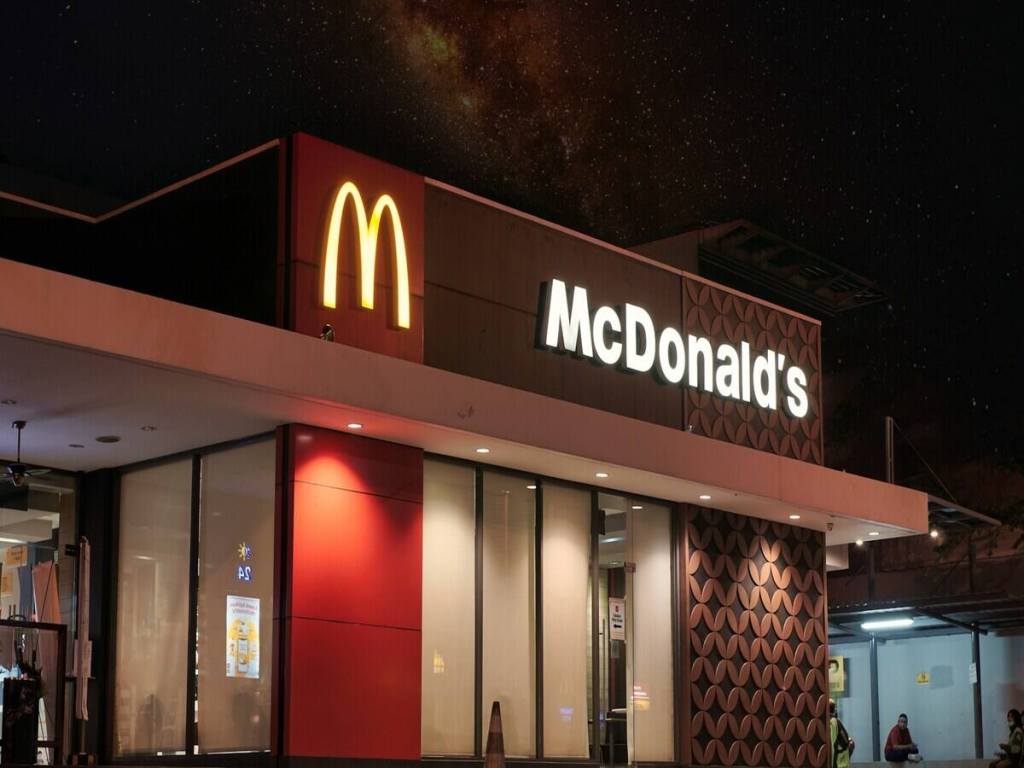
Fast food is a name for food that is made and presented to customers quickly. It is usually made with preheated or precooked ingredients, prepared in bulk, and sold in packages for take-away. The term “fast food” first appeared in the Merriam – Webster dictionary in 1951, but its roots are much older.
The first hamburger chain in the States was White Castle opened in 1921. Billy Ingram and Walter Anderson opened it and started the first White Castle restaurant in Wichita in 1916. They had a small menu with cheap hamburgers and sold them in large numbers. The first franchises also appeared in 1921 (A&W Root Beer franchised their syrup), and the first restaurant franchise appeared in the 1930s by Howard Johnson.
When automobiles became more popular, drive-in restaurants appeared around the United States. In the 1940s, carhops that started wearing roller skates served customers in cars. The McDonald brothers opened the first McDonald’s with fast food in 1948 (They had a restaurant before, but it was not of a “fast-food-type”). Soon after them, others started opening their fast food chains: Burger King and Taco Bell opened theirs in the 1950s, while Wendy’s started in 1969. Carl’s Jr., KFC, and Jack in the Box existed before in other forms, just like McDonald’s, but as fast food started becoming popular, they reoriented.
Hamburgers are just one type of fast food sold in the world. Chinese food is also popular, along with fish and chips, sandwiches, pitas, sushi, fried chicken, French fries, onion rings, chicken nuggets, tacos, pizza, hot dogs, and ice cream. To supply all restaurants with the same quality and standards, fast food operations make food from processed ingredients at a central supply facility and then ship it to restaurants where it is prepared.
The fast food industry still grows, although there are indications that it is losing its market share to fast casual dining restaurants. McDonald’s is, for instance, present in 126 countries on six continents and has around 31,000 restaurants worldwide.
Some criticize the fast food industry and its influence on humanity. They claim that its food is not healthy if consumed often, that they are cruel to the animals, exploit its workers, and degrade local cultures because they shift people’s taste from traditional cuisines. Fast food habits are related to the increase in overweight and obesity.
A scalding cup of McDonald’s coffee severely burns woman
The first incident that jumped to mind was the 1990s too-hot-coffee scandal from McDonald’s. In fact, we recall a number of folks who felt, at the time, that a lawsuit regarding hot coffee being too hot was peak frivolity. But Stella Liebeck’s actions in the wake of the incredibly severe injuries she sustained in 1992, which included life-threatening third-degree burns, clearly demonstrated she wasn’t looking for an easy payday.
Perhaps the most important factor in Liebeck’s favor is that she initially only wanted McDonald’s to cover her medical expenses. After all, the fast food burger chain wasn’t oblivious to the fact its near-boiling coffee was a legitimate danger to customers, having faced hundreds of complaints before Liebeck’s accident. But when the company offered a meager $800 — rather than the roughly $20,000 she owed in medical costs — she filed suit in 1994.
Recognizing McDonald’s had acted egregiously by heating its coffee to extreme temperatures, the jury sided with Liebeck. Consequently, she was awarded $2.9 million in compensation for her suffering — and as punishment for corporate neglect.
Employee seen stomping in piles of lettuce at Burger King
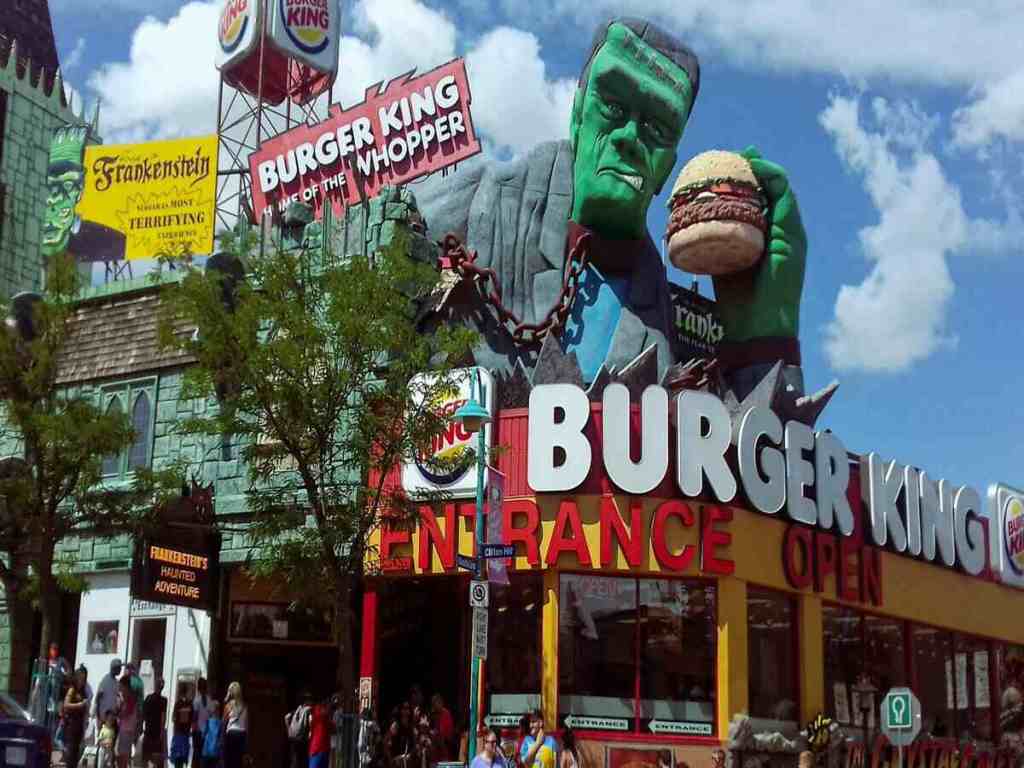
While we’d love to assume each and every restaurant under a fast food chain’s banner is exactly the same in how it operates, that’s simply not feasible. After all, when a company is responsible for running thousands of locations throughout the world — like Burger King, which has more than 18,700 locations as of 2023 — there’s bound to be a bad apple here and there, as in the case of the disturbing 2012 controversy from a Burger King in Mayfield Heights, Ohio
Frankly, the photos of a Burger King employee standing in two buckets filled with lettuce placed on the restaurant’s floor are hard to shake. Thankfully, the location of the boot-clad employee standing in lettuce was quickly identified. As a result, Burger King was able to take swift action to investigate this matter and terminated the three employees involved.
E. Coli At Jack In The Box Restaurants Made 700 People Sick And Took The Lives Of 4
One of the biggest restaurant-related tragedies of the ’90s centered around the fast food chain Jack in the Box. The investigation started after the Washington Department of Health started seeing an influx of hemolytic uremic syndrome (HUS) in Seattle children. The scope of the investigation widened quickly as the team realized the sickness was being caused by E. coli from Jack in the Box burgers.
Eventually, 73 different Jack in the Box locations were connected to the outbreak, stretching across four states. In total, 700 people became ill from the improperly cooked meat, with 171 being hospitalized and four ultimately dying.
Krispy Kreme scandals

Krispy Kreme has built an empire under its purposely misspelled double-k name. So to play off this alliteration, a Krispy Kreme store in the UK in 2015 decided to create a new promotion on Wednesdays: Krispy Kreme Klub Wednesdays (or KKK Wednesdays for short).
Of course, in America, KKK is synonymous with the hate group the Ku Klux Klan. Realizing this, the British doughnut store quickly pulled the ads and apologized.
In addition to the cringey ad debacle, Krispy Kreme has also had several instances of misconstruing their financial numbers (in one case, some $25 million went missing) — though it’s often been chalked up to “poor accounting practices” or dishonest executives rather than the company itself.
Chinese food scandal
The food scare broke when a video surfaced in Chinese media, showing appalling practices in a Shanghai food-processing factory that supplies ingredients to many international restaurant brands. Since then, the tainted meat supply has been found to reach across China, all the way to Hong Kong, and even to Japan.
A reporter from a Shanghai broadcaster secretly filmed inside the food processing plant of Shanghai Husi Food, a subsidiary of U.S.-based food supply giant OSI Group. The footage captured workers handling food with their bare hands. Several scenes showed them picking up meat that had fallen on the floor and returning it directly into the processing machine.
Shanghai Municipal Food and Drug Administration (FDA) subsequently investigated the factory and found that expired beef and chicken products were processed and repackaged with new expiration dates. Amongst the tainted products, they were able to trace forged production dates on more than 4,300 cases of smoked beef patties, with more than 3,000 cases already sold. Husi had been supplying chicken and beef products to branches of McDonald’s, Papa John’s, Burger King, Starbucks, KFC, and Pizza Hut in several cities in China.
As a result of the ban, chicken nuggets, chicken fillets, as well as several vegetable products and iced lemon tea are now temporarily unavailable at the city’s McDonald’s branches. Japan’s McDonald’s have also been affected as 20% of the meat for chicken nuggets there were supplied by Husi. It has since stopped importing chicken from China and introduced a tofu and fish version of the McNugget.
E. Coli outbreak at Wendy’s
When you go out to eat at your favorite fast food restaurant, you probably don’t think you’ll get sick. It’s something that many people understand to be possible, but don’t give too much thought to from day to day. However, according to a study from the Centers for Disease Control and Prevention, hundreds of food-based outbreaks occur every year, leading to thousands of unsuspecting consumers coming down with serious foodborne illnesses.
In 2022, Wendy’s came under extreme scrutiny when an E. coli outbreak traced back to the restaurant sickened 109 customers, hospitalizing 52 across six states. According to interviews by public health officials in charge of the investigation, more than 80% of the affected people reported eating Wendy’s recently, with many having eaten sandwiches and burgers with romaine lettuce. This particular vegetable is often the cause of E. coli outbreaks in the food industry, as it’s sometimes grown in close proximity to animal fecal matter that’s contaminated with E. coli. This outbreak ended fairly quickly, and the investigation concluded before discovering the exact cause.
Though the damage had already been done, Wendy’s was swift to remove the romaine lettuce from all the affected regions, likely aiding in the effort to stop the spread of the infections before it got out of control.
The negative effects of the fast food industry
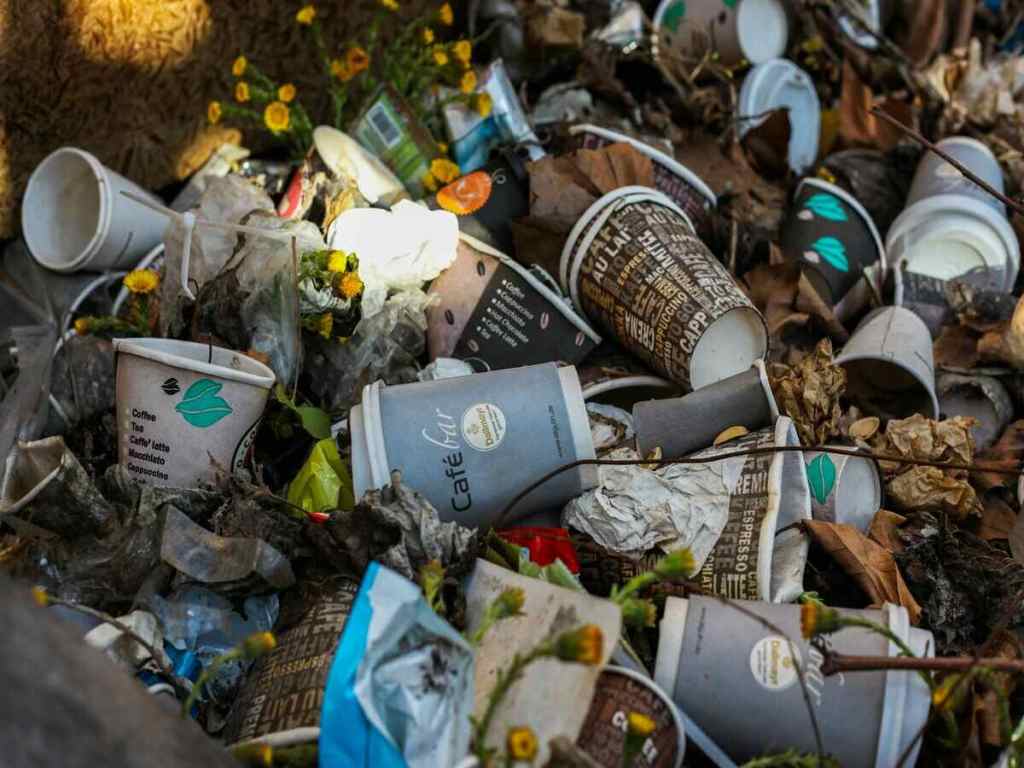
Fast food has become ubiquitous in modern society, with chains like McDonald’s, Burger King, and KFC being present in almost every corner of the world. While it’s undeniable that fast food is convenient and affordable, its consumption is linked to numerous negative health effects, such as obesity, diabetes, and heart disease. Furthermore, fast food production is often associated with environmental degradation and poor labor practices.
In addition to harming human health, the fast-food industry also has detrimental impacts on:
- Workers: At any given time, there are at least 3.5 million fast-food workers in the U.S. They typically work for minimum wage without medical benefits or the right to unionize, and women endure regular sexual harassment and assault, so turnover is high.
- Animals: Since fast-food companies purchase such a large proportion of the “meat,” dairy, and eggs produced by farmers, they are able to exert enormous influence over how animals are raised for food. As a result, factory farms supply the fast-food industry’s demand for vast volumes of animal products at the lowest possible cost by crowding animals together to conserve space (often confining them in cages or crates), pumping them full of non-therapeutic antibiotics and artificial growth hormones, amputating body parts to avoid unnatural stress-induced injuries, and slaughtering them at breakneck speeds on mechanized disassembly lines (often while they remain fully conscious). Cows, chickens, and pigs raised to make fast food endure lifelong pain and suffering on factory farms, where they are treated like interchangeable production units.
- The Environment: According to a report by the Food and Agriculture Organization of the United Nations, the livestock sector represents “14.5% of all human-induced emissions” and “plays an important role in climate change” with “beef” and cow milk production accounting for the majority of emissions. Then there’s fast-food packaging, which comprises almost half of the litter found on U.S. streets. And, to prevent grease leakage, many fast-food companies coat their paper packaging with perfluoroalkyls, which are toxic compounds that harm the environment and human health.
While fast food is convenient and affordable, there are plenty of alternatives that are healthier and more sustainable. For example, cooking meals at home using fresh, whole ingredients is a great way to ensure that you’re getting the nutrients you need while also reducing waste. Additionally, supporting local farmers and food co-ops can help promote sustainable agriculture and reduce the environmental impact of food production.
The rise of fast food has had numerous negative effects on society, from its impact on public health to its contribution to environmental degradation and poor labor practices. While it’s unlikely that fast food will disappear entirely, there are plenty of alternatives that can help promote healthier, more sustainable food choices. By investing in these alternatives, we can work towards a healthier, more equitable world.
 Things we do for health