Importing refers to the goods and services that a country purchases from the rest of the world rather than producing/procuring them domestically. Importing causes an outflow of funds since it involves making transactions with sellers in other countries.
Exporting is the opposite. It’s the process of selling goods and services produced domestically to customers residing in the rest of the world. Exports cause an inflow of funds to the seller’s country since transactions involve selling items to foreign buyers.
The United States typically exports more agricultural goods by value than it imports, but the value of imports has grown more rapidly than exports over the past decade, contributing to a negative trade balance in some years. From fiscal years 2013 to 2023, U.S. agricultural exports expanded at a compound annual growth rate of 2.1%. During that same time, U.S. agricultural imports increased by 5.8%. The robust increase in U.S. demand for imports has been largely driven by the strong U.S. dollar and consumer preferences for year-round produce selections. The resulting agricultural trade balance was negative in 3 of the past 10 fiscal years.
The leading U.S. agricultural exports are grains and feeds, soybeans, livestock products, tree nuts, fruits, vegetables, and other horticultural products. The leading U.S. imports are horticultural and tropical products. Canada, Mexico, the European Union, and East Asia are major U.S. trade partners.
The United States tends to export a higher share of non-manufactured products than manufactured products. Non-manufactured products include food grains such as rice and wheat, oilseeds—and tree nuts such as almonds. The United States exports a lower share of manufactured products—such as sweeteners, bakery products, and dairy products. Since 2008, the overall export share of U.S. agricultural production has remained relatively constant at approximately 20%. Top food and beverage US exports are:
- Soybeans are amongst the top 10 US exports from the food and beverage category. Mid-west is the largest grower of soybeans. The crop is also used for producing other varieties of food products.
- Corn grows in abundance in the US. This is why it’s the second on the list of top US exports. Over $116.6 billion worth of corn crops have been subsidized by the US Government since 1995. Corn is exported in both natural states as well as used in processed items like high-fructose corn syrup.
- Nuts such as pecans, almonds, walnuts, and pistachios are major agricultural US exports. Primary export countries include Asia (China and India) and Europe. The US is the biggest supplier in the global nut market.
- Wheat, in the US you can find a variety of wheat grown across different regions in different places. It’s yet another major export item.
- Pork is the most produced meat in the US. In 2019, almost a third of all the pork produced domestically was exported. Experts believe that the pork industry contributes to roughly $23.4 billion of the entire US Gross Domestic Product.
- The US poultry industry has been criticized in the past for using hormones and antibiotics to produce large chickens for export purposes. In more recent years, stricter regulations are coming in place to ensure healthy poultry and farming practices.
- Food oils are another major export from the US. Soybean is the top food oil that the country produces and exports. It also goes by ‘vegetable oil’ for those who don’t recognize the term ‘soybean oil’.
- Dairy products in the US mostly refer to cow milk-based products. However, sometimes eggs also fall into this category. Over the years, US dairy production has been booming. In times of pandemic, this came as a relief for the country’s economy.
- Beef. After pork, beef is the second major meat export from the US. Farmers in Oklahoma, Missouri, and Texas raise the most beef cattle in the country.
- Cereal Grains. Grains are major cash crops in the country. Among the top grains – oats, barley, and sorghum are the big ones. They are exported in both raw and milled form to create other varieties of products.
What is the main danger?
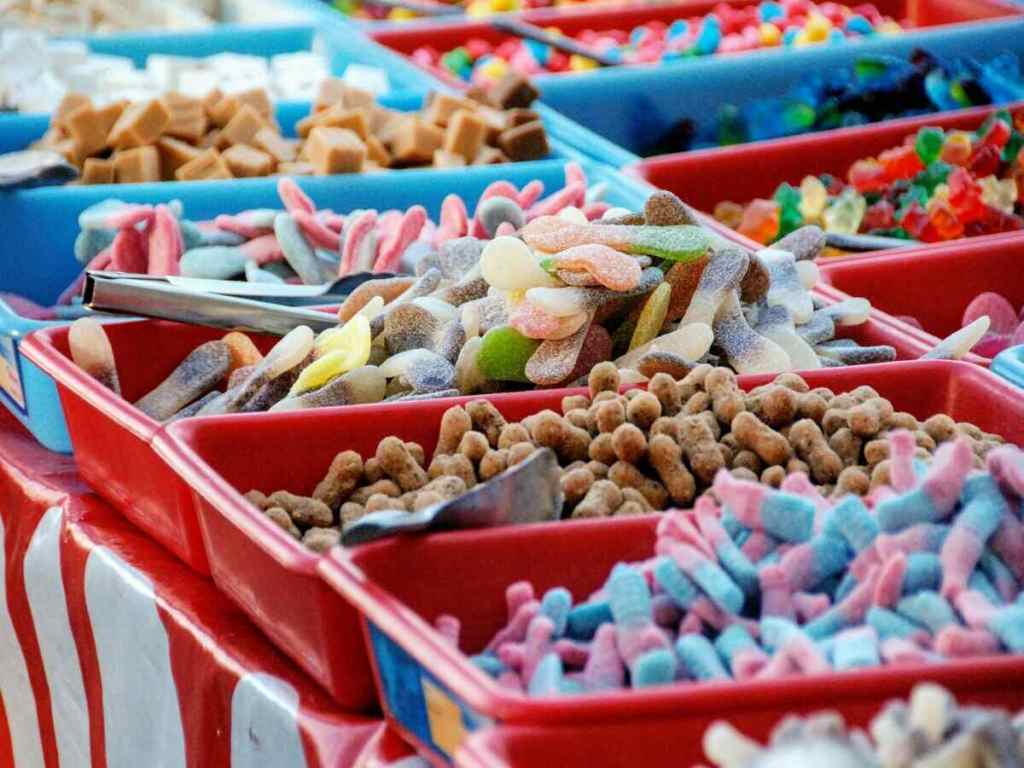
Chemicals permitted in US food production, but banned in the EU, pose significant risks to human health. These substances have been linked to hormone disruption, carcinogenic effects, and various other health issues. As advocates for optimal health and well-being, we must prioritize the elimination of these harmful substances from our food supply to protect public health.
There are contrasting approaches to food regulation between the FDA and European agencies. While the FDA adopts a reactive approach, European agencies, such as the European Food Safety Authority (EFSA), are precautionary. In the United States, growth hormones and chemical preservatives are commonly used in food production to increase food size and prolong shelf life. However, the EU prohibits the use of hormones and advises against the use of certain preservatives.
There are specific food additives that are banned in Europe but commonly used in American food products. Coloring agents, which are linked to neurological problems and cancer, are one such example. Additionally, additives like BHA and BHT, found in foods such as gum and vegetable oil, have been associated with carcinogenic effects. Despite being banned in Europe, these additives continue to be prevalent in American food products.
In addition of existing disparities in food labeling requirements between the FDA and EUFIC (European Food Information Council). While the FDA mandates the listing of eight common allergens on food products, the EUFIC requires the labeling of 14 common allergens. This variance in labeling requirements can impact consumer awareness and safety regarding food allergens.
Bread
Bread is one of the most ubiquitous foods in the US, with entire grocery store aisles devoted to this one product. Of course, bread isn’t just made from grain, and in the US at least, it also includes a variety of additives, typically to improve texture and color. Azodicarbonamide, for example, strengthens the dough and bleaches the flour.
However, the additive has also been used in a wide spectrum of industrial contexts, including in the production of yoga mats. The European Union has thus banned its use in food products.
Skittles
With their distinctive bright colors, fruity flavors, and colorful commercials, Skittles is a popular American candy. However, tasty as they are, some of their attributes have caused concern outside the US. In particular, Skittles contain a substance called titanium dioxide. Research suggests repeated consumption can lead to damaged DNA, which in turn has been linked to cancer.
While these concerns continue to be researched, several countries have blocked the importation of the candy, due to the dyes used, rather than titanium dioxide. Both Sweden and Norway have banned Skittles outright, and the European Union may follow suit.
Mountain Dew
Mountain Dew is another staple of Americans’ diets. As with so many other soft drinks, it’s marketed to appeal to a younger crowd, encouraging them to embrace an active – and perhaps hyperactive – lifestyle. The soda’s most notable attributes include its high caffeine content, its extreme amount of sugar, and, of course, its vibrant yellow color.
The ingredient that provides this distinctive hue, tartrazine (known as Yellow 5), has a mixed reputation. It’s linked to headaches and hyperactivity, and both Austria and Norway have moved to ban it entirely.
Chlorine-washed poultry
In the US, it’s common for chicken to be chlorinated during the preparation process. In essence, this practice is meant to kill the many types of bacteria that tend to cluster on freshly butchered meat. American food regulators believe this helps reduce the risk of foodborne illnesses.
However, the practice has raised concerns in the European Union, whose concern stems less from the health risks posed by the chlorine – which are relatively low – and more from the possibility that the process might be used to mitigate other unhealthy practices during the production process. As a result, most American chicken has been banned in Europe, although the US has pressured the UK to change regulations in this regard.
Pork
Pork, along with chicken and fish, remains a staple of the American diet. From bacon to ham, hot dogs to pork chops, people in the US consume a lot of it per year (67 pounds per capita, as of 2019). While Americans might love pork, they may be unaware of just how many chemicals and additives go into its production. One of the most notable is ractopamine, a drug used in many pork farms to increase pig growth.
Despite its ubiquity in the US, 160 countries have banned the drug, deeming it unsafe for human consumption. This, in turn, has led to a prohibition of pork exports from the US.
Little Debbie Swiss Rolls
Little Debbie has developed a reputation for providing consumers with a variety of tasty snack cakes. One of its most popular is Swiss Rolls, a mixture of cake and creamy filling. However, tempting as they are, they have earned quite a mixed reputation, particularly in Europe.
Unsurprisingly, the problem arises from the inclusion of two dyes: Yellow 5 and Red 40. The European Union has grown increasingly concerned about the potential impact these dyes have on children, so they have to carry a warning.
Farm-raised salmon
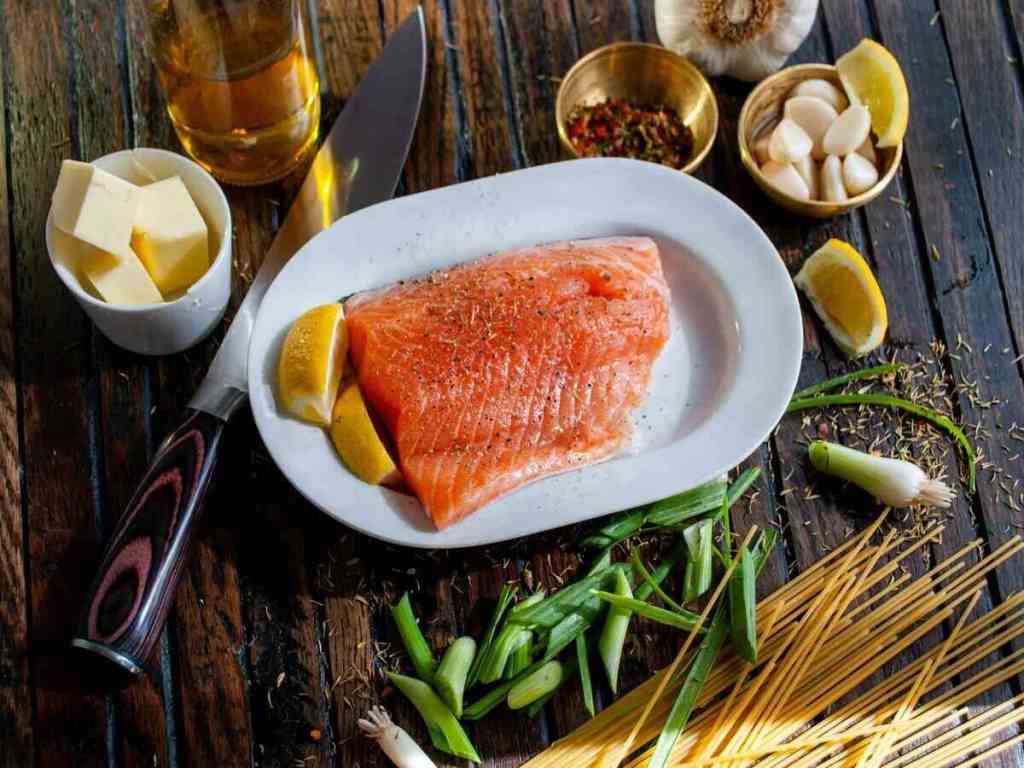
Wild salmon naturally gets its bright pinkish-red color from natural carotenoids in their diet. Farmed salmon, on the other hand, are raised on a wholly unnatural diet of grains (including genetically engineered varieties), plus a concoction of antibiotics and other drugs and chemicals not shown to be safe for humans. This diet leaves the fish with unappetizing grayish flesh so to compensate, they’re fed synthetic astaxanthin made from petrochemicals, which has not been approved for human consumption and has well-known toxicities- which might even cause damage to eyesight.
Olean and Olestra
Olestra, aka Olean, created by Procter & Gamble, is a calorie- and cholesterol-free fat substitute used in fat-free snacks like chips and French fries. Not only did a 2011 study from Purdue University conclude rats fed potato chips made with Olean gained weight, but there have been several reports of adverse intestinal reactions to the fake fat including diarrhea, cramps, and leaky bowels. And because it interferes with the absorption of fat-soluble vitamins such as A, D, E, and K, the FDA requires these vitamins to be added to any product made with Olean or Olestra.
Milk and dairy products laced with rBGH
Recombinant bovine growth hormone (rBGH) is the largest-selling dairy animal drug in America. RBGH is a synthetic version of natural bovine somatotropin (BST), a hormone produced in cows’ pituitary glands. It’s injected into cows to increase milk production, but it is banned in at least 30 other nations because of its dangers to human health, which include an increased risk for colorectal, prostate, and breast cancer by promoting the conversion of normal tissue cells into cancerous ones. Non-organic dairy farms frequently have rBGH-injected cows that suffer at least 16 different adverse health conditions, including very high rates of mastitis that contaminate milk with pus and antibiotics.
Why are the banned foods allowed domestically?
Many factors encourage food companies here in America to make their products as addictive as possible, even going so far as to scientifically engineer them to change how they taste to create a higher demand for them.
The catch is that many of these engineered products include harmful ingredients that are processed and distributed nationwide. The degree of many of these additives is enough to make it so that other countries around the world have banned them from being used at all.
Potassium bromate and azodicarbonamide (ADA) These additives are commonly added to baked goods, but neither is required, and both are banned in Europe because they may cause cancer. In recent years, some American restaurant chains have responded to consumer pressure and removed them from their food.

Potassium bromate is often added to flour used in bread, rolls, cookies, buns, pastry dough, pizza dough, and other items to make the dough rise higher and give it a white glow. The International Agency for Research on Cancer considers it a possible human carcinogen, and the Center for Science in the Public Interest petitioned the F.D.A. to ban it nearly 20 years ago. The F.D.A. says potassium bromate has been in use since before the Delaney amendment on carcinogenic food additives was passed.
Azodicarbonamide, or ADA, which is used as a whitening agent in cereal flour and as a dough conditioner, breaks down during baking into chemicals that cause cancer in lab animals. It is used by many chain restaurants that serve sandwiches and buns. The Center for Science in the Public Interest has urged the F.D.A. to bar its use. The F.D.A. says it is safe in limited amounts.
BHA and BHT The flavor enhancers and preservatives BHA and BHT are subject to severe restrictions in Europe but are widely used in American food products. While evidence on BHT is mixed, BHA is listed in a United States government report on carcinogens as “reasonably anticipated” to be a human carcinogen.
Brominated Vegetable Oil (BVO) is used in some citrus-flavored soft drinks like Mountain Dew and in some sports drinks to prevent separation of ingredients, but it is banned in Europe. It contains bromine, the element found in brominated flame retardants, and studies suggest it can build up in the body and can potentially lead to memory loss and skin and nerve problems. An F.D.A. spokeswoman said it is safe in limited amounts, and that the agency would take action “should new safety studies become available that raise questions about the safety of BVO.”
Yellow food dyes No. 5 and No. 6, and Red Dye No. 4. These dyes can be used in foods sold in Europe, but the products must carry a warning saying the coloring agents “may hurt activity and attention in children.” No such warning is required in the United States, though the Center for Science in the Public Interest petitioned the F.D.A. in 2008 to ban the dyes. Consumers can try to avoid the dyes by reading lists of ingredients on labels, but they’re used in so many things you wouldn’t even think of, not just candy and icing and cereal, but things like mustard and ketchup, marshmallows, chocolate, and breakfast bars that appear to contain fruit.
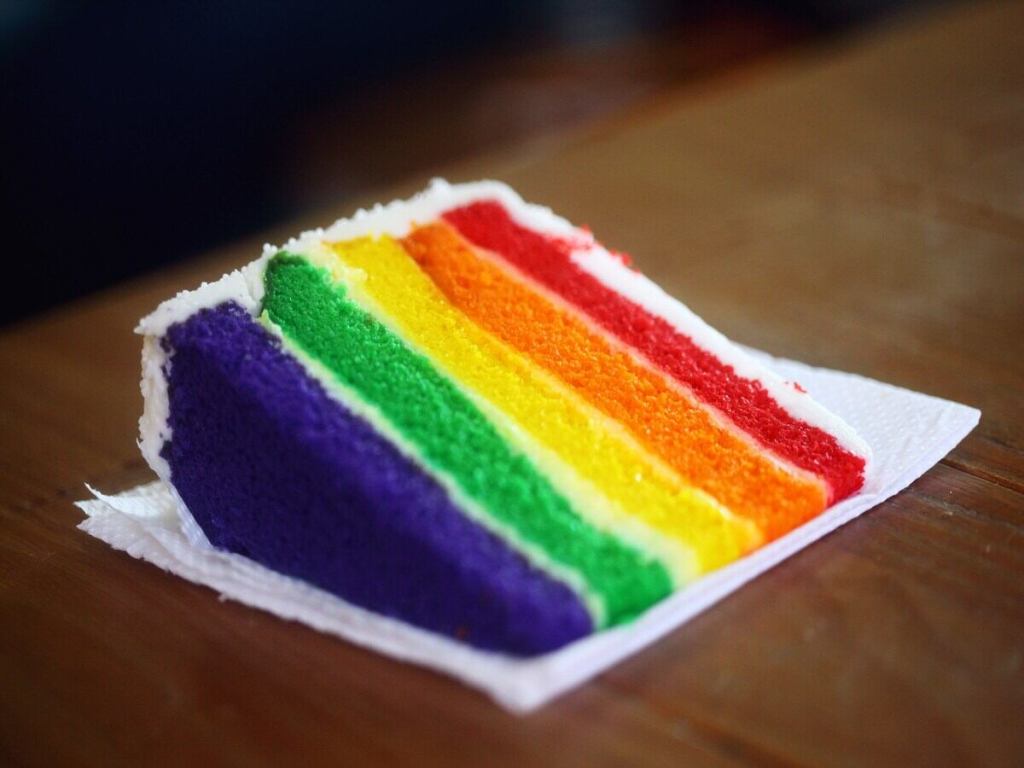
The F.D.A.’s website says reactions to food coloring are rare, but acknowledges that yellow dye No. 5, used widely in drinks, desserts, processed vegetables, and drugs, may cause itching and hives.
Farm Animal Drugs The European Union also bans some drugs that are used on farm animals in the United States, citing health concerns. These drugs include bovine growth hormone, which the United States dairy industry uses to increase milk production. The European Union also does not allow the drug ractopamine, used in the United States to increase weight gain in pigs, cattle, and turkeys before slaughter, saying that “risks to human health cannot be ruled out.”
A common factor among all of these ingredients is that they can lead to potential disease. The FDA states that food companies can market new chemicals and food additives WITHOUT FDA oversight or approval, so long as the substance is generally recognized, among qualified experts, as having been adequately shown to be safe. This is known as the GRAS system.
There was a study that said 85 pesticides that were outlawed in other countries are still allowed in the U.S. Even the candy in the U.S. has been altered with harmful food additives. For example, red AirHead candies use red dye No. 40 which gives them their vibrant red color.
The European Union prohibits or severely restricts many food additives that have been linked to cancer that are still used in American-made bread, cookies, soft drinks, and other processed foods. Europe also bars the use of several drugs that are used in farm animals in the United States, and many European countries limit the cultivation and import of genetically modified foods. In some cases, food-processing companies will reformulate a food product for sale in Europe but continue to sell the product with the additives in the United States.
A 1958 amendment to the Food, Drug, and Cosmetic Act prohibits the Food and Drug Administration from approving food additives that are linked to cancer, but an agency spokeswoman said that many substances that were in use before the passage of the amendment, known as the Delaney amendment, are considered to have had prior approval and “therefore are not regulated as food additives.”
Recently, the F.D.A. agreed to ban six artificial flavoring substances shown to cause cancer in animals, following petitions and a lawsuit filed by the Center for Science in the Public Interest and other organizations. The F.D.A. insists the six artificial flavors “do not pose a risk to public health,” but concedes that the law requires it not to approve the food additives. Food companies will have at least two years to remove them from their product
 Things we do for health