Many people take supplements to increase their daily consumption of particular nutrients and improve their overall health and well-being. For example, if you’ve ever taken a multivitamin, probiotics, fish oil, or melatonin, you’ve used dietary supplements.
Often sold over-the-counter at pharmacies and drugstores or online, supplements are typically taken orally as capsules, pills, gummies, liquids, or powders. They may include vitamins, minerals, herbs, amino acids, enzymes, and more. Some dietary supplements contain ingredients derived directly from food sources, while others are synthetically produced.
Dietary supplements are primarily used as a way to, literally, supplement—add to—your diet. Some people take supplements to make sure they get enough of a particular important nutrient each day. Many adults in the United States take supplements to boost their daily consumption of key nutrients like:
- Calcium
- Iron
- Vitamin D
- Potassium
- Magnesium
- Vitamin B12
- Vitamin C
- Vitamin A
- Folic acid
- Fiber
Some people also take supplements to relieve the symptoms of a diagnosed health condition, prevent health problems, or provide certain health benefits. A few common examples include:
- Taking vitamin D or calcium to prevent bone loss
- Using melatonin to treat insomnia
- Taking fiber supplements to regulate bowel movements
During 2017–2018, 57.6% of adults aged 20 and over reported using any dietary supplement in the past 30 days. A higher percentage of women (63.8%) reported dietary supplement use than men (50.8%). For both sexes, dietary supplement use increased with age. The top three most common types of dietary supplements used by adults were consistent among all age groups. These were multivitamin-mineral, vitamin D, and omega-3 fatty acids.
What are dietary supplements?

Dietary supplements (also called food supplements or nutritional supplements) are products designed to give you nutrients that might be missing from your diet. They are usually taken as tablets, capsules, or powders, or as a liquid drink. Some common examples of supplements include vitamins and minerals (such as vitamin C, iron, and calcium), oil supplements (such as fish oil capsules), and herbal supplements.
There are many different kinds of dietary supplements. Common types of supplements include:
- Multivitamins. These supplements contain a mix of several vitamins and minerals in the recommended amounts. Often, they are once-daily pills for general health. Some multivitamins may be marketed as having a specific benefit, such as increased immunity or energy, and can include additional ingredients.
- Individual vitamins. Supplement forms of one vitamin, such as vitamin C and vitamin D, may be used to target a specific deficiency.
- Minerals. Similarly, supplement forms of a particular mineral, such as potassium and calcium, can be used to manage a deficiency.
- Botanicals. Herbs and botanical compounds, such as ginger and caffeine, are often used for their purported health benefits, such as reducing inflammation or increasing energy.
- Probiotics. Also known as live microbials, probiotic supplements are meant to support the growth of beneficial bacteria in your gastrointestinal tract.
- Amino acids. These supplements can contain any of the nine essential amino acids or other non-essential amino acids. As the building blocks of protein, amino acids may offer several benefits. For instance, supplements to support athletic performance and recovery may contain amino acids.
If your diet lacks a particular nutrient, you might need a supplement to fill that gap. Often, you will only need to take a supplement temporarily. For example, if you are pregnant, you might need to take supplements for part of your pregnancy, until your baby is born, or until you finish breastfeeding. Folate (folic acid – a B-group vitamin) is usually recommended one month before you become pregnant and for the first 3 months. In some other cases, you might need to take a supplement for a longer period, including if you have a chronic health condition.
The best way to get all the nutrients you need is to eat a balanced and varied diet. Some nutrient and alternative food examples are:
- Iron: red meat, nuts and legumes
- Folate: green leafy vegetables, cereals, fruit and nuts
- Iodine: seafood, milk and vegetables
Are there any health risks in taking supplements?

While your body needs a certain amount of each nutrient, higher amounts are not necessarily better. In fact, getting more than you need can sometimes cause harm. For example, large doses of vitamin B6 can damage the nervous system, and taking vitamin A, C, or E supplements while you are pregnant can cause serious harm to your baby. Some supplements can also interact with other medicines you are taking, making them dangerous or less effective.
For most people, taking common dietary supplements (such as multivitamins) is safe and doesn’t pose serious health risks. However, anyone can have an adverse reaction to a supplement—particularly if you take a large dose. The side effects of taking too much of a given supplement vary widely. Possible health complications include, but are not limited to, liver damage, excessive bleeding, and stroke.
Certain supplements may also have harmful interactions with medications and other supplements. Taking multiple supplements or combining supplements with prescribed medications may increase the risk of side effects or make your medication less effective.
For example, the herbal supplement St. John’s wort can make antidepressants and birth control pills less effective. Certain antioxidant supplements like vitamin C and vitamin E can reduce the impact of chemotherapy treatments. Several supplements also interact negatively with blood-thinning medications, either increasing or reducing their effectiveness. For instance, vitamin K may reduce the effectiveness of the blood-thinner Warfarin (Coumadin).
Most experts do not recommend using supplements in place of food sources to fulfill your daily consumption of certain essential nutrients. There is also not enough research to support the benefit of taking an excess of certain nutrients through supplements, and some nutrients can be harmful in very high doses. When possible, it’s often better to get the nutrients your body needs through food rather than supplements.
Supplements also cannot replace the medications you’ve been prescribed to treat any particular health condition. If you are interested in the potential benefits of supplements, make sure to discuss the uses and risks of the supplement with a healthcare provider.
Who regulates dietary supplements in the U.S.?

Most American adults who use dietary supplements (eg, vitamins, minerals, plant and animal extracts, hormones, and amino acids) ingest them orally. The market for these products has grown rapidly and significantly over the last 25 years, but consumer protection regulations have not kept pace. In the United States, supplements’ safety is regulated by the US Food and Drug Administration (FDA), but statutory limitations prevent the FDA from effectively regulating these products, exacerbate public health risks, and have generated numerous calls for reform.
FDA regulates both finished dietary supplement products and dietary ingredients. FDA regulates dietary supplements under a different set of regulations than those covering “conventional” foods and drug products. Under the Dietary Supplement Health and Education Act of 1994 (DSHEA):
- Manufacturers and distributors of dietary supplements and dietary ingredients are prohibited from marketing products that are adulterated or misbranded. That means that these firms are responsible for evaluating the safety and labeling of their products before marketing to ensure that they meet all the requirements of the Federal Food, Drug, and Cosmetic Act as amended by DSHEA and FDA regulations.
- FDA has the authority to take action against any adulterated or misbranded dietary supplement product after it reaches the market.
Dietary supplements are regulated by the FDA, but much of its role begins after products enter the marketplace. In fact, in many cases, companies can produce and sell dietary supplements without even notifying the FDA. The FDA works to ensure that dietary supplements meet applicable safety standards and that they are well-manufactured and accurately labeled. The FDA is further responsible for enforcing the laws and regulations governing dietary supplements. If a product is found to be unsafe or not otherwise in compliance with the law, the FDA can work with the company to bring the product into compliance or possibly remove it from the market.
Dietary supplements, which include vitamins, minerals, plant and animal extracts, hormones, and amino acids that are ingested orally, are widely used in the United States, where 4 of 5 adults report having taken one. The market for these products has grown exponentially over the last 25 years—from a $4 billion industry with 4000 products in 1994 to an industry worth more than $40 billion with as many as 80 000 products today—but consumer protection regulations have not kept pace. Although the US Food and Drug Administration (FDA) is charged with ensuring the safety of supplements on the market, the regulatory gap between its legal authority and limited resources creates risks for public health and prevents the agency from effectively regulating these products. In recent years, there have been increasing calls for reform, and several proposals have been advanced that could strengthen oversight and better protect consumers.
Unlike drugs or devices, the FDA does not regulate the efficacy of dietary supplements. And while supplement products cannot be marketed to treat or prevent disease—claims can only describe how a particular nutrient or dietary ingredient affects the structure or function of the body—manufacturers are not required to submit evidence to the agency that substantiates the claims they make about their products.
Are all supplements created equal?
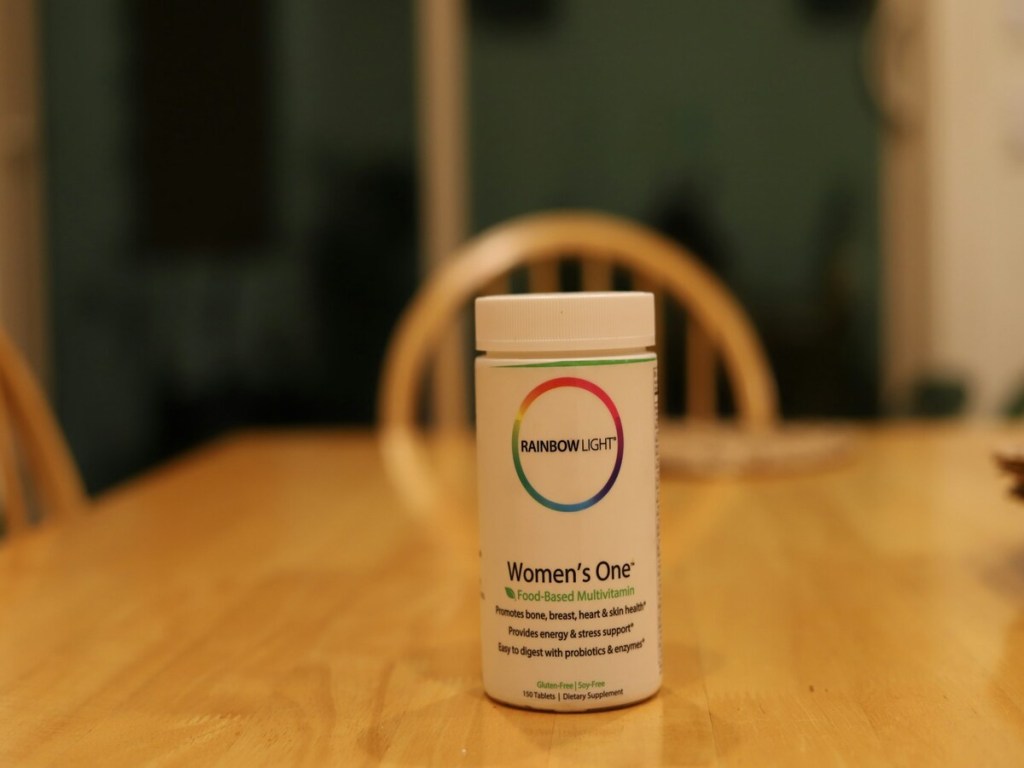
Manufacturers may add vitamins, minerals, and other supplement ingredients to foods you eat, especially breakfast cereals and beverages. As a result, you may get more of these ingredients than you think, and more might not be better. Taking more than you need costs more and might also raise your risk of side effects. For example, too much vitamin A can cause headaches and liver damage, reduce bone strength, and cause birth defects. Excess iron causes nausea and vomiting and may damage the liver and other organs.
Dietary supplement is an umbrella term. It includes everything from individual nutrients — vitamins A, B, C, D, E, and K and minerals like calcium — to multivitamins and specialized “senior” formulas that contain various combinations of vitamins, minerals, phytonutrients, and other compounds.
Why do people buy so many? Blame clever marketing and loopholes in federal guidelines. The FDA regulates dietary supplements as a subcategory of food but not as prescription or over-the-counter drugs. This means the FDA only monitors claims on supplement labels regarding disease treatment. For instance, dietary supplements cannot make claims about treating specific conditions on their labels, like “lowers heart disease risk” or “protects against dementia.” Yet, the guidelines do allow for phrases like “promotes heart health” or supports immunity.
The medical consensus is that there are no miracles in those bottles. Multiple studies have found that taking extra vitamins and minerals doesn’t protect against disease or improve overall health in otherwise healthy people.
But what about taking extra vitamins known to be helpful? For instance, vitamin C is loaded with antioxidants shown to support the immune system. So, why not load up on vitamin C pills to, say, fight a cold? In general, taking large amounts of vitamin C is not toxic since the body can only absorb so much, and any excess gets excreted in urine. But again, no proof taking extra vitamin C beyond the recommended 90 milligrams per day for adult men offers extra protection from infections.
Some vitamins or minerals can cause health problems when taken in high amounts. For example, high calcium intake has been linked to an increased risk of prostate cancer. Taking a lot of vitamin A — a fat-soluble vitamin that can build up in the body, which stores what it doesn’t use — can cause dizziness, nausea, headaches, and in rare cases, even death.
Substances in green tea are known to block the absorption of fat, so green tea supplements are promoted as weight loss aids. If you sip green tea all day you will absorb fewer calories. However green tea supplements that contain a huge dose have been associated with several instances of liver failure requiring transplantation. Some supplements that may pose risks include:
- Beta-carotene and vitamin A can increase the risk of lung cancer in smokers
- Vitamin K, which can reduce the effectiveness of blood thinners
- Gingko, which can increase blood thinning
- St. John’s wort, which can make some drugs, such as antidepressants and birth control, less effective
- Herbal supplements comfrey and kava, which can damage your liver
 Things we do for health