Food fraud is a complex and pervasive issue that affects the global food supply chain. It can take many forms and involves the deliberate adulteration, misbranding, or substitution of food products for economic gain. The consequences of food fraud can range from consumer deception to serious health risks and can have significant financial implications for both the food industry and governments.
Food fraud is defined as the intentional deception of consumers or customers for economic gain. It is a broad term that encompasses a range of illicit activities, including adulteration, misbranding, or substitution of food products. The motives behind food fraud are often financial, to increase profits by reducing costs, increasing sales, or manipulating market prices.
Factors contributing to food fraud include globalization, complex supply chains, and the increasing demand for certain foods. The globalization of the food industry has made it easier for fraudsters to source ingredients and products from different countries, while complex supply chains can make it difficult to trace the origin and authenticity of a product. Furthermore, the high demand for certain foods, such as seafood and spices, can create opportunities for fraudsters to profit from counterfeit or mislabeled products.
The risks and consequences of food fraud are significant. Consumers can be misled into purchasing products that are unsafe or of lower quality than advertised, which can harm their health and erode their trust in the food industry. In addition, food fraud can have financial implications for the industry, with potential loss of revenue, damage to reputation, and legal repercussions.
What types of food are more likely to be at risk?
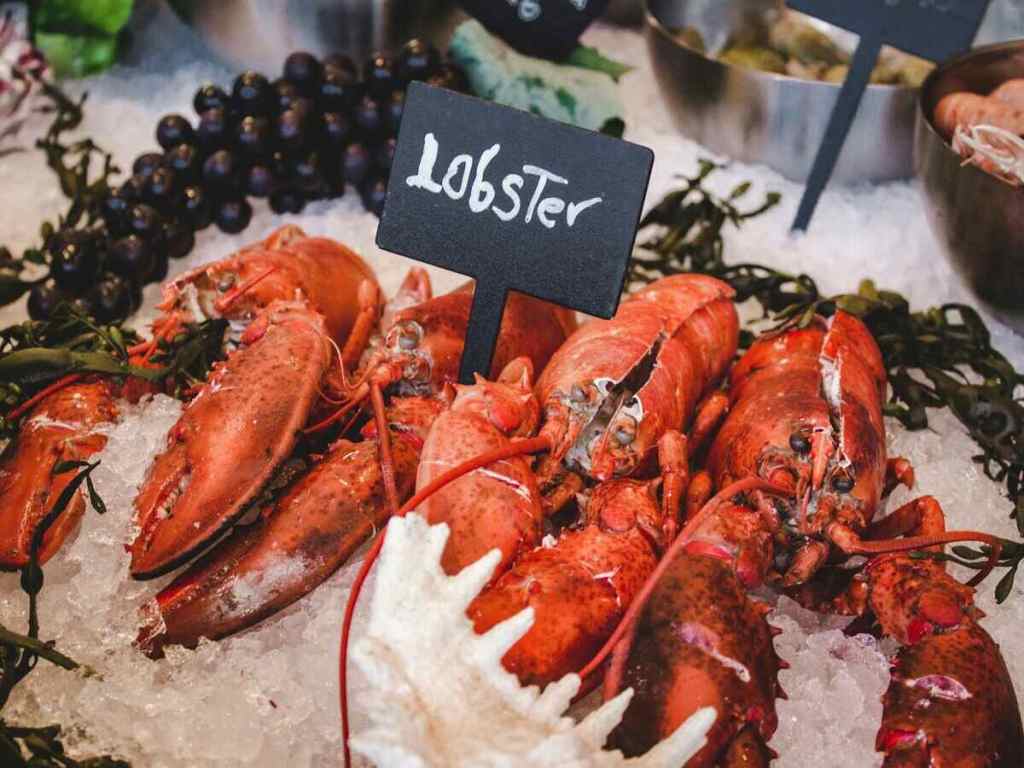
Food fraud (economically motivated adulteration) can occur in any food product, but some products like frozen seafood, animal food and beverages are more vulnerable to food fraud than others due to their high value, complex supply chains, or limited availability. Here are some examples of food products that are most likely to be involved in food fraud:
- Seafood: Seafood is a high-value product that is often subject to substitution and mislabeling. For example, lower-priced fish species may be labeled as more expensive ones, or farmed fish may be sold as wild-caught.
- Olive oil: Olive oil is a popular and expensive product that is often subject to food fraud with cheaper oils, such as sunflower or canola oil. This can lead to a decrease in quality and nutritional value.
- Honey: Honey is a valuable product that is often subject to dilution with cheaper sweeteners, such as corn syrup or sugar. Mislabeling of the country of origin or floral source can also occur.
- Spices: Spices are often subject to food fraud with cheaper ingredients, such as fillers or artificial colors. For example, turmeric may be adulterated with lead chromate, a toxic substance.
- Milk: Milk is often subject to food fraud with water or other substances to increase the volume and reduce costs. This can lead to a decrease in quality and safety.
- Wine: Wine is a high-value product that is often subject to counterfeiting, where cheaper wines are sold as more expensive ones. Mislabeling of the vintage or origin can also occur.
- Meat: Meat is subject to substitution and mislabeling, where cheaper or lower-quality meats are sold as higher-priced or higher-quality ones. For example, horse meat may be sold as beef.
- Fruit juice: Fruit juice is often subject to dilution with water or other juices to increase the volume and reduce costs. Mislabeling of the country of origin or type of fruit can also occur.
- Coffee: Coffee is a popular and valuable product that is often subject to food fraud with cheaper ingredients, such as corn, soybeans, or twigs. Mislabeling of the country of origin or type of bean can also occur.
- Organic products: Organic products are subject to mislabeling and fraud, where non-organic products are sold as organic ones. This can lead to consumer deception and harm the reputation of the organic industry.
The horse-meat scandal
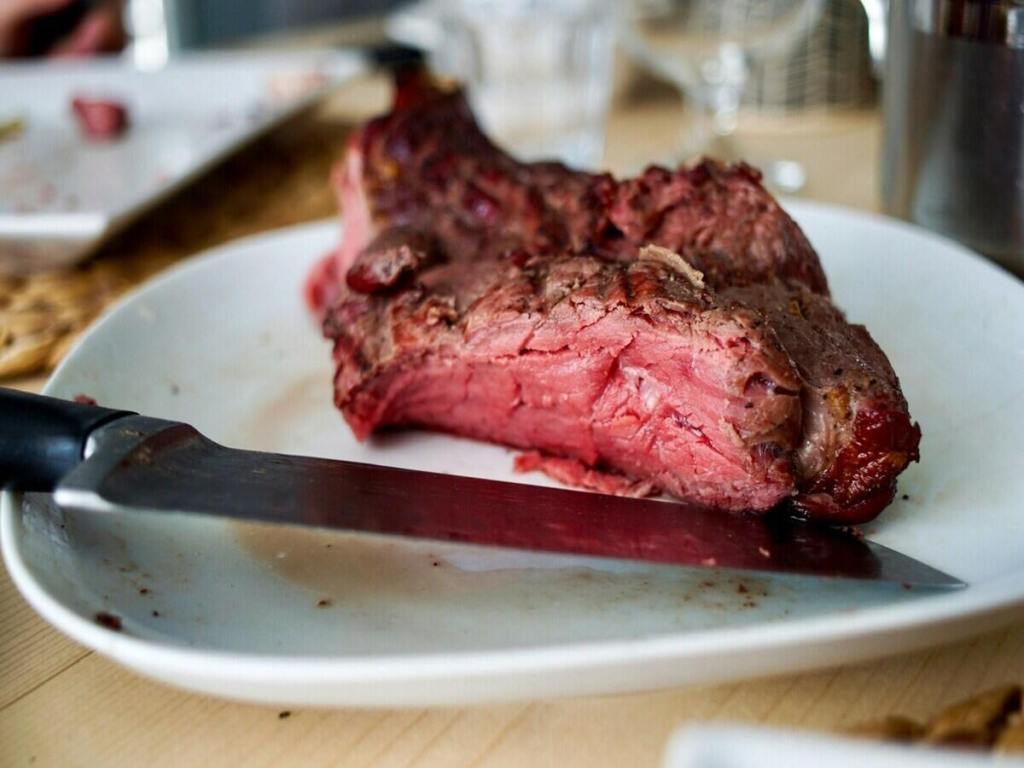
The 2013 horse meat scandal that spread through parts of Europe delivered a financial blow to many food companies. The scandal emerged after Irish food inspectors announced that foods advertised as containing beef were found to contain undeclared or improperly declared horse meat and in a few circumstances contained as much as 100% of the meat content. Meanwhile, a smaller number of products were also found to contain other undeclared meats, such as pork.
The scandal led to the global meat industry being put under the microscope as it revealed a major breakdown in the traceability of the food supply chain. Consequently, the ESG risks associated with the complex and often opaque meat supply chain have risen to the fore, and meat companies are now under increasing pressure to increase their transparency and labeling.
In total, the scandal spread to more than a dozen European countries. Meat recalls were made, restaurants dropped some of their players and multiple arrests were made. An investigation revealed that the Silvercrest Foods factory, owned by parent company ABP Group, was found to have almost 30% of its sample contaminated. Similarly, Tavola’s factory, owned by parent company Comigel had more than 30% of its sample contaminated and supermarket chain Aldi had announced it would withdraw from the sale of several of its products.
While not an issue of food safety, the horse meat scandal highlighted the potential of food fraud being committed by suppliers. Agricultural investors must be cognizant of this risk and consider the potential financial losses that could be suffered from cases of food fraud committed by global food companies or their suppliers.
The Chinese melamine scandal

On September 11, 2008, the Chinese government announced a recall of infant milk powder that was tainted by melamine, a chemical usually used in plastics. Consumption of melamine caused infants to develop kidney stones which, if left untreated, could cause renal failure and death. More than 290,000 people (most of them infant children) were poisoned and at least six babies are confirmed to have died from ingesting the melamine contaminated infant milk powder. The Chinese government imposed very high penalties on people and companies involved in the melamine scandal, including lifetime prison sentences and even executions.
The problems in China’s dairy industry were a result of rapid growth fueled by large investments from multinational dairy firms, development of a highly modern and concentrated processing sector that obtained its raw materials from millions of small, poor and uneducated traditional farmers and government support and encouragement for growth but with little emphasis on inspection and safety issues. The melamine crisis prompted the Chinese government to bring in a new food safety law, mandate regular inspections of all companies involved in the food business with no exemptions and set new allowable tolerances for melamine in dairy products.
Fears were compounded when it was revealed that virtually all Chinese-produced dairy products, including ordinary milk, ice cream, and yogurt also contained melamine. Countries around the world announced bans on imports of products that contained Chinese milk, including bakery products and candies. Panic spread when news reports indicated that Sanlu Company officials had known about the problem for months and possibly as far back as December 2007 without taking any corrective actions
The Spanish olive oil fraud
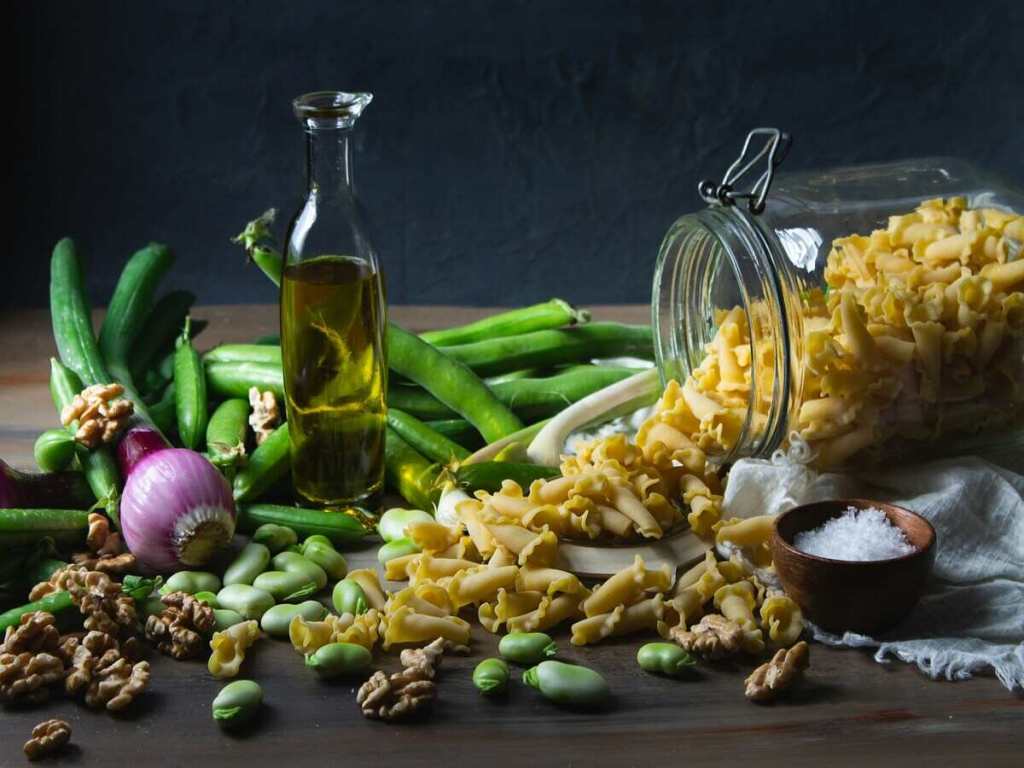
A joint operation by the Guardia Civil, inspectors from the Junta de Andalucia, and the General Directorate of Public Health and Pharmaceutical Regulation unearthed a fraudulent olive oil operation. This illegal business, discovered in an industrial warehouse in Mairena del Alcor, Sevilla, was found to be marketing counterfeit olive oils.
The investigation revealed that the products, falsely labeled as ‘Extra Virgin Olive Oil’ and ‘Mild Olive Oil’, were actually blends of various inferior oils, including seed and lampante oils, not fit for consumption. This discovery was made in a facility that operated without any sanitary registration or the necessary hygienic standards for oil production.
Due to the clandestine nature of this operation, the extent to which these fraudulent products reached consumers remains unknown. The Guardia Civil warns that these products may have been sold in areas like Los Rosales, Tocina, Sevilla, and Huelva.
In the warehouse, 1,000-litre tanks of vegetable and olive oils were found, connected to a mixer and packaging system. This set-up was used to create a blend of seed oils with a base of some type of olive oil, giving it an appearance similar to genuine extra virgin olive oil. The fraudulent group’s methods involved using either false or genuine health records under a company name linked to the olive sector. These were used to purchase low-quality or seed oils, which were then mixed and labeled attractively for sale at prices much lower than their true market value.
Mixing consumer-grade olive oil with lower-grade alternatives allowed the alleged criminals to offer competitive prices while entering legal supply chains. This practice can cause a public health risk and undermine consumer trust, which leads to further economic repercussions. Extra virgin olive oil fraud is common and has been identified as a law enforcement priority, especially in production countries.
The Canadian honey fraud
In 2018, the Canadian Food Inspection Agency tested 240 samples of honey across the country. While 100% of Canadian honey samples were pure, nearly 22% of imported honey was cut with corn syrup, sugar cane, rice syrup or beet sugar.
Under Canadian law, honey is a standardized product, which cannot contain added sugars. Following this sampling campaign, the CFIA seized 12,762 kilograms of adulterated honey. This, however, is a small drop in a continuous flow of fake honey imports.
Cutting honey with cheap sugar and marketing it as authentic is known as “honey laundering”. China carries out this practice on a global scale. In the eastern province of Zhejiang, China’s beekeeping hub, industrial plants churn out rice and corn syrup destined to be cut into honey. Because of this extensive system of food fraud, direct honey imports from China to North America were effectively cut off in the mid-2000s. This crackdown has been ingeniously evaded.
China’s clever scheme became apparent when Canada began receiving unusual volumes of honey from some rather surprising sources. In four of the five years from 2009, Vietnam sent 20 kilograms of honey. In 2013, this rose to 19,209 kg. In the four years before 2015, Ukraine exported 5 kg of honey to Canada. In 2015, this soared to 445,421 kg.
This is a practice called transshipping, where a product is sent to an intermediary country, and then labeled as a product of that country, before it is sent to its final destination.
Bottled tap water fraud
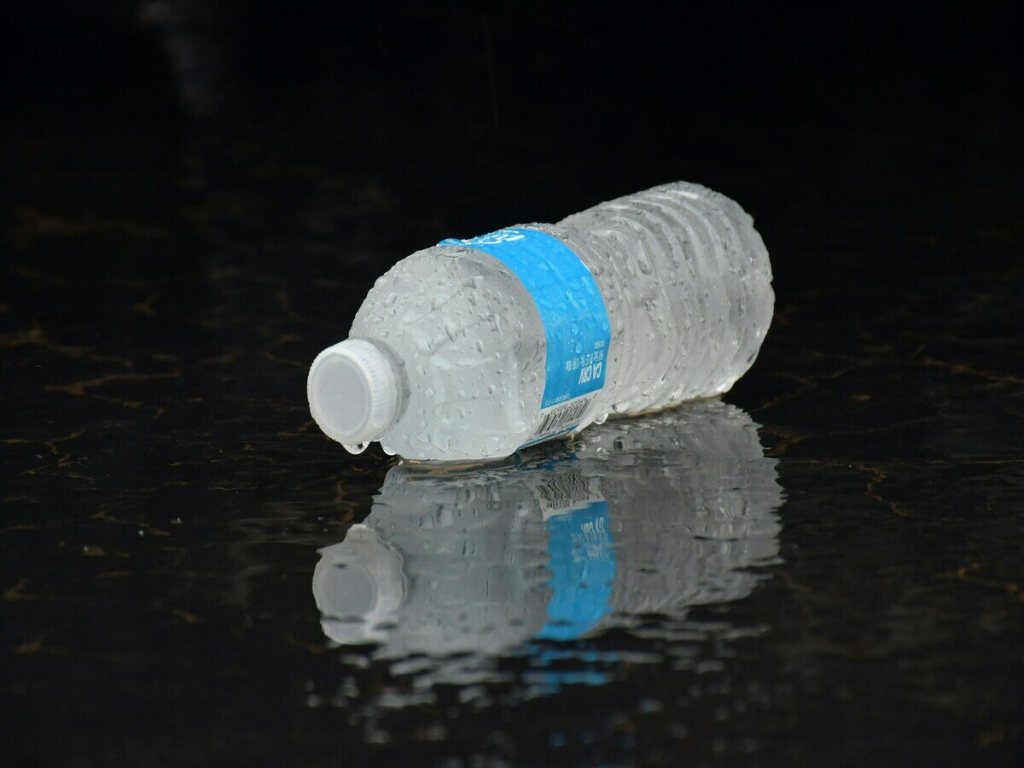
Cristalline, Vittel, Perrier, or St-Yorre: all these brands of water are well known to consumers. The French are among the world’s biggest consumers of bottled water. The main argument behind this craze? Bottled water is said to be safer and healthier than tap water, and above all pure. Some illegal practices of certain manufacturers strongly undermine this claim!
A recent journalistic investigation shakes the water industry in a bottle in France. Sector giants such as Nestlé Waters, Alma, and other producers, are at the heart of a scandal revealed by Le Monde and Radio France’s investigative unit.
It turns out that these companies used non-compliant purification methods to hide the contamination of their products. This revelation raises crucial questions about the industry’s integrity and consumer confidence in bottled water. Against this backdrop, the importance of a reliable and transparent source of water has never been greater.
The investigation therefore revealed that leading names in the bottled water industry such as Nestlé Waters were using charcoal filters or even ultraviolet to purify certain mineral waters. Why treat this supposedly “pure” water? Quite simply because it is regularly contaminated with bacteria such as Escherichia coli and traces of chemical pollutants.
These discoveries naturally contradict the expectations of “original purity” associated with mineral waters. This argument is, of course, used extensively in the marketing strategies of brands.
In addition, the Alma Group, owner of Crystal, Saint-Yorre, and Vichy Célestinsis accused of fraud control illegal practices. The company is alleged to have tampered with its mineral waters by adding tap water using unauthorized decontamination methods and employing prohibited treatments such as industrial gas, iron sulfate, ozone disinfection, and UV-C filtration, thereby breaching the regulations on mineral water.
How to protect yourself from food fraud?
Food fraud can take many forms, such as adulteration, dilution, substitution, concealment, and mislabeling. Adulteration involves adding cheaper or inferior ingredients to a food product to increase its weight or volume, while dilution reduces the concentration or quality of a food product by adding water or other liquids. Substitution involves replacing a food product or ingredient with another one that is cheaper, less desirable, or less available. Concealment hides the defects, spoilage, or contamination of a food product by using additives, coloring, or processing methods. Lastly, mislabeling provides false or misleading information about the origin, identity, or characteristics of a food product.
One of the easiest ways to spot food fraud is to read the labels and packaging of the food products you buy. Look for any signs of tampering, such as broken seals, damaged containers, or mismatched labels. Compare the ingredients list, nutrition facts, and claims with the product name and appearance. If something seems too good to be true, such as a very low price, a high nutrient content, or a rare origin, it probably is. Be wary of products that have vague or generic names, such as “vegetable oil” or “seafood mix”.
Another way to spot food fraud is to know where your food comes from and how it gets to you. Research the reputation and credibility of the producers, suppliers, and retailers you buy from. Look for certifications, accreditations, or seals of approval from reputable organizations, such as the USDA, FDA, or ISO. Avoid buying from unknown or unregulated sources, such as online platforms, street vendors, or informal markets.
If you suspect or encounter food fraud, you should report it to the authorities and avoid buying or consuming the food product. You can contact the local, state, or federal agencies that are responsible for food safety and quality, such as the FDA, USDA, or your state’s department of agriculture. You can also report it to the consumer protection or trade associations that represent the food industry, such as the Grocery Manufacturers Association, the National Consumers League, or the U.S. Pharmacopeia. By reporting and avoiding food fraud, you can help prevent its spread and impact, and protect yourself and others from its risks.
 Things we do for health