Almost everyone likes a sugary snack. But if you often have foods and drinks with lots of added sugar, the empty calories can add up. Added sugar can play a part in weight gain. It also may raise your risk of serious health problems, such as diabetes and heart disease. You might try to stay away from table sugar by using less processed sweeteners such as honey and molasses. But these also are forms of added sugar. They add calories to your diet. Some people use products called sugar substitutes, also known as artificial sweeteners. They taste sweet like sugar but have fewer calories. Some have no calories.
Many sugar substitutes taste sweeter than sugar. So very little is needed to sweeten foods and drinks. Other sugar substitutes called sugar alcohols are not as sweet as sugar. Sugar substitutes are in many kinds of foods and drinks labeled sugar-free or diet. That includes soft drinks, candy, and baked goods. Some sugar substitutes also are sold on their own in packets or other containers. These can be added to foods or drinks at home.
Government health agencies oversee ingredients that product-makers add to food. These agencies check ingredients, such as sugar substitutes, before foods or drinks that contain them can go on sale. In the United States, the Food and Drug Administration (FDA) allows the following sugar substitutes to be used:
- Acesulfame potassium (Sweet One, Sunett).
- Advantame.
- Aspartame (NutraSweet, Equal).
- Neotame (Newtame).
- Saccharin (Sweet’N Low).
- Sucralose (Splenda).
- Luo han guo (Monk Fruit in the Raw).
- Purified stevia leaf extracts (Truvia, PureVia, others).
Other countries, such as those in the European Union, have more sugar substitute options than the United States. The FDA allows product-makers to use sugar alcohols, such as sorbitol and xylitol, too. The agency doesn’t consider sugar alcohols to be food additives.
Most artificial sweeteners (also called nonnutritive sweeteners) are created from chemicals in a lab. A few are made from natural substances like herbs. They can be 200 to 700 times sweeter than table sugar. These sweeteners don’t contain calories or sugar, but they also don’t have beneficial nutrients like vitamins, fiber, minerals, or antioxidants. They are regulated by the U.S. Food and Drug Administration (FDA) as food additives.
What we know about them?
Saccharin was the first widely commercialized non-nutritive sweetener. It was discovered in 1879 by Constantin Fahlberg in the laboratory of Ira Remsen at Johns Hopkins University (Baltimore). Saccharin’s use became widespread during World War I because of a sugar shortage. In the 1960s, it began to be promoted for weight loss, most familiarly under the trade name Sweet’n Low.
Soon thereafter, food scientists discovered that saccharin causes bladder cancer in rats. In 1977 an act of Congress required the sweetener’s packaging to bear a cancer warning label. But in 2000, scientists found that humans metabolize saccharin differently from rats. The warning label requirement was rescinded. Today, despite all the competition from other sweeteners and its metallic aftertaste, saccharin remains a popular choice.
Artificial sweeteners are made for people who cannot eat sugar or who want to cut down on calories from sugary foods. After many years of use, artificial sweeteners are still controversial. Some people think that they are good because they do not cause cavities and may help them lose weight. Other people think that using artificial sweeteners can cause cancer and other diseases.
Two types of artificial sweeteners are used instead of sugars in foods. They are noncaloric sweeteners and sugar alcohols. Noncaloric sweeteners do not add calories to foods. They are used in many kinds of foods such as snack foods and drinks. The names of some noncaloric sweeteners are saccharine and aspartame. These sweeteners do not cause as much tooth decay as sugar.
Sugar alcohols contain about the same number of calories as sugar. They are used in chewing gums and hard candies. Like other artificial sweeteners, they may cause fewer dental cavities than sugars. In fact, chewing sugarless gum after meals may help prevent cavities. Because they have the same calories as sugar, sugar alcohols do not help people who are trying to lose weight. For some people they cause diarrhea. Examples of sugar alcohols are sorbitol and mannitol.
Artificial sweeteners first entered the food industry in the 1800s. However, since the 2000s, there has been an explosive increase in their consumption. In the United States, AS consumption is estimated to have increased by ~200% in children/adolescents and 54% in adults between 1999 and 2000, with ~25% of children and 41% of adults consuming AS at least once daily between 2009 and 2012 (13). Consumption of AS may, however, be more widespread because of their presence in “lower-calorie” food products as well as medications to improve palatability. The use of AS-altered diets is even listed in guidelines for the medical management of patients with inflammatory bowel disease (IBD).
Can artificial sweeteners cause harm?
Artificial sweeteners are tempting because they don’t contain any calories, but still provide powerful sweetness. However, this is a dangerous combination. These non-nutritive sweeteners provide no sense of fullness or satisfaction, yet they simultaneously retrain the taste buds to require more and more sweetness. As a result, people end up eating and drinking too much, becoming addicted to sweet treats, and gaining weight.
There are many artificial sweeteners currently on the market, and many of them are even added to seemingly healthier food options like yogurt, vitamins, and breakfast cereal. The worst of the culprits include aspartame (found in Equal and NutraSweet), sucralose (found in Splenda), and Saccharin (found in Sweet ‘N Low). Many people who cut artificial sugars out of their diets report the improvement of many health problems including migraines, depression, IBS, weight gain, and more.
Splenda (sucralose) is a little different from other artificial sweeteners. It’s a relative newcomer, created in 1992. While other sweeteners are chemically manufactured, Splenda is derived from sugar. That means it tastes more like regular sugar (though, it’s about 600 times sweeter). It’s commonly found in food items like yogurt, candy, and ice cream.
Splenda starts out as sugar but is altered to pass more quickly through your system. That means it doesn’t get stored in your blood and doesn’t affect your blood sugar in the way that sugar does. But that alteration is what makes Splenda less than ideal. To create Splenda, some of the sugar molecules are swapped out for chlorine. And chlorine isn’t something you really want to be consuming regularly.
When it comes to sugar consumption, the less you eat the better. But for most of us, the problem is with added sugars, not natural sugars. A lot of fruits are high in natural sugars. That’s what makes things like mangoes, bananas, and pineapples taste so sweet. They’re high-glycemic index fruits. So, they’re higher in natural sugars and carbohydrates.
Your body doesn’t process natural sugars as quickly as it does added sugars or artificial sweeteners. So, eating natural sugars doesn’t give you that same rollercoaster effect. Added sugars are digested quickly, so you don’t feel full after eating them. Natural sugars, on the other hand, offer up that bit of sweetness and fiber, which fills up your stomach. And you can enjoy them without them lighting up the centers of your brain leaving you wanting more and more. So, for most people, natural sugars are a far better alternative to either artificial sweeteners or regular table sugar.
Negative effects of using artificial sweeteners
Some research has suggested that artificial sweeteners may activate reward pathways in the brain that increase appetite. In fact, evidence suggests that, compared to consuming sugar or water, regularly consuming aspartame is linked with increased caloric intake, hunger, and sugar cravings.
Most people assume that artificial sweeteners will help with weight loss or weight management since they contain no calories. However, there is evidence linking long-term consumption of diet soda to increased body fat in older adults and higher BMI in children.
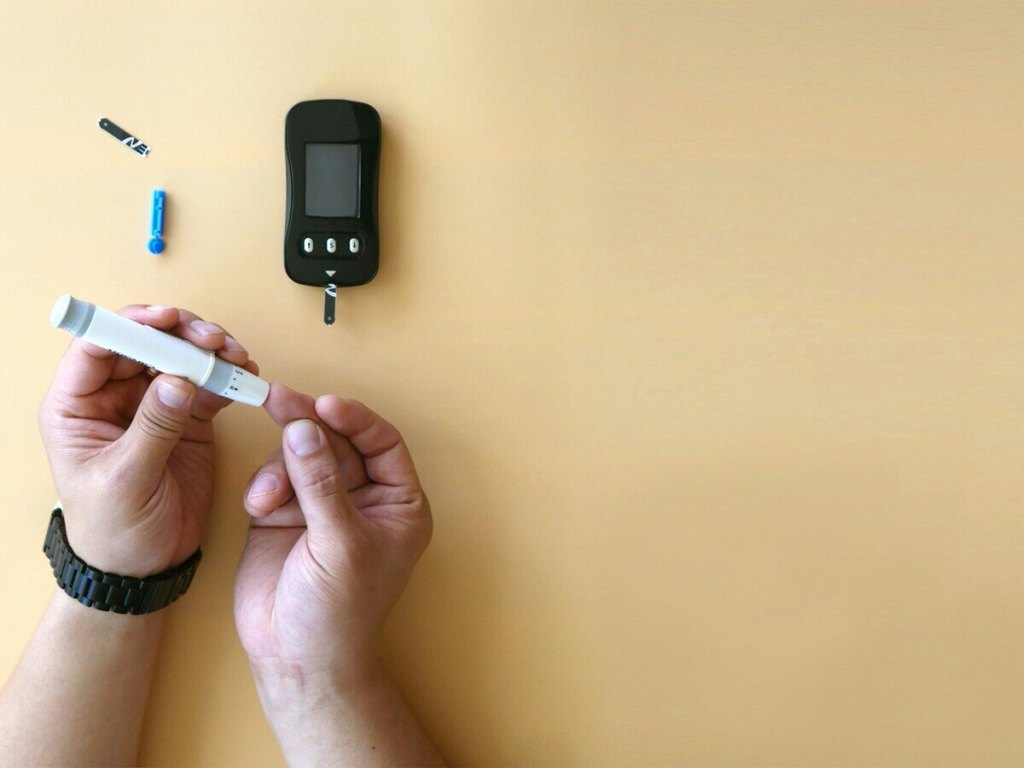
While artificial sweeteners do not increase blood sugar levels, there is some evidence that they may increase insulin levels in the blood. Because of their sweet taste, the pancreas can mistake them for sugar. There may be a link between long-term use of artificial sweeteners and insulin resistance (Type 2 diabetes). However more research is needed to better understand this relationship.
Consuming artificial sugars may also increase the frequency of reactive hypoglycemia (low blood sugar after eating). This is because these sweeteners cause an increase in insulin, which lowers blood sugar even though the body hasn’t gotten any calories or energy from the sweetener. So even though artificial sweeteners don’t raise blood sugar directly, they can still lead to poorly controlled blood sugar levels.
Bacteria in the gut react differently to artificial sweeteners than they do to real sugar. Saccharin and sucralose have been found to change the gut microbiome and have been linked to dysbiosis in humans. Dysbiosis is an imbalance of good and harmful bacteria in the gut and can lead to:
- Bloating
- Thinning of the barrier surrounding the intestines
- Migraines
- Autoimmune conditions
- Mood changes
- Irritability
- Anxiety
A recent study done by the American Heart Association reported that frequently consuming artificially sweetened beverages in mid and late-life was associated with a higher risk of stroke and other heart-related events. However more studies are needed to understand this relationship.
Which products use artificial sweeteners the most?
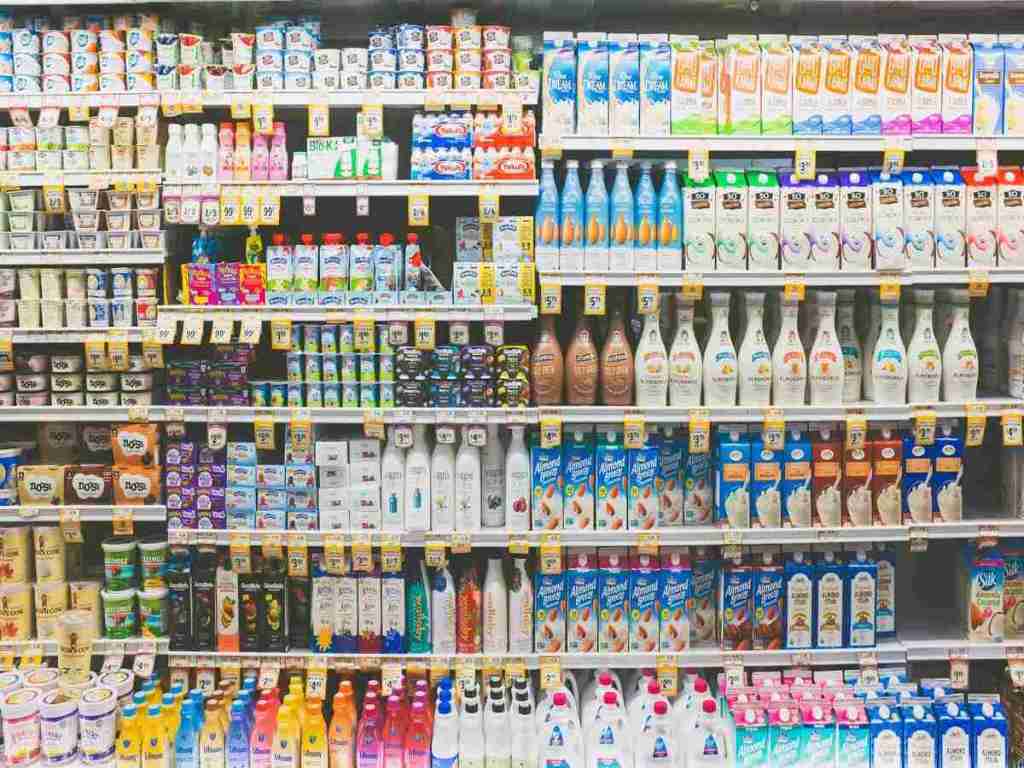
Foods claiming to be “reduced sugar,” “low sugar,” “lite” or “low carb” likely contain artificial sweeteners. Surprisingly, some are foods you wouldn’t think contain a sweetener of any kind. Bread, candy, yogurt, snacks, protein powder, and more are just some of the almost countless items sold throughout the U.S. that may contain artificial sweeteners with health concerns.
Even your healthiest-looking whole-wheat loaf can contain artificial sweeteners, typically in the form of sucralose. “Light” and “sugar-free” breads are particularly likely to contain these compounds. Flavored yogurts are often full of sugar, so when one markets itself as being “sugar-free”, it should cause some raised eyebrows. These lighter options often contain sucralose as well as acesulfame potassium.
Salad dressings and lighter condiments, such as low-sugar ketchup and barbecue sauce, often contain sucralose to add flavor without adding calories. However, perhaps the most recognizable ketchup brand, Heinz, avoids using sucralose in its lighter version, opting instead for stevia leaf extract or honey. Low-sugar drinks are a prime candidate for artificial sweeteners, but some juice brands contain these compounds in their non-diet range.
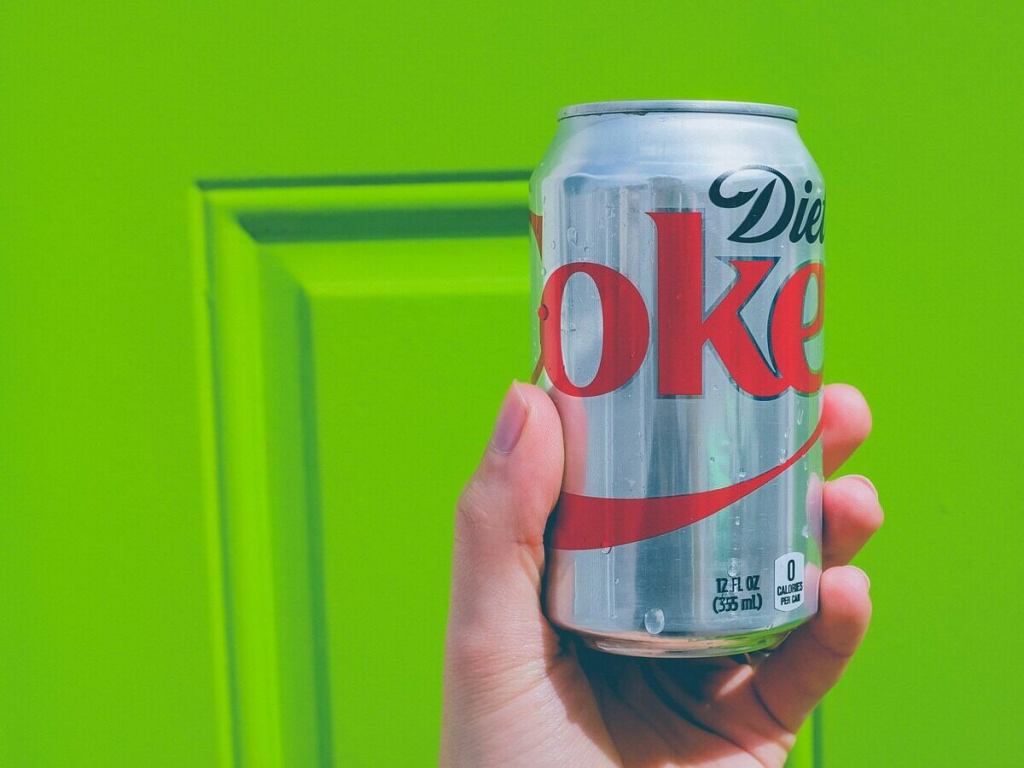
The World Health Organization’s International Research Agency on Cancer announced that the artificial sweetener aspartame, commonly found in Diet Coke and other sugar-free foods, is a possible carcinogen.
However, a second WHO group, the Expert Committee on Food Additives, did not change its threshold for the daily amount of aspartame that is safe to consume: 40 milligrams per kilogram of body weight for adults who weigh about 154 pounds. Added up, that’s the amount in around 14 cans of Diet Coke. The Food and Drug Administration has a slightly higher daily limit of 50 milligrams per kilogram of body weight for an adult who weighs about 132 pounds.
Found in more than 5,000 foods and drinks, aspartame is far sweeter than sugar. In 1974, the FDA approved its use as a tabletop sweetener and ingredient in gum, cereals, instant coffee, dairy products, and other items. Common foods and drinks with aspartame include:
- Tabletop sweeteners, including NutraSweet, Equal and Sugar Twin.
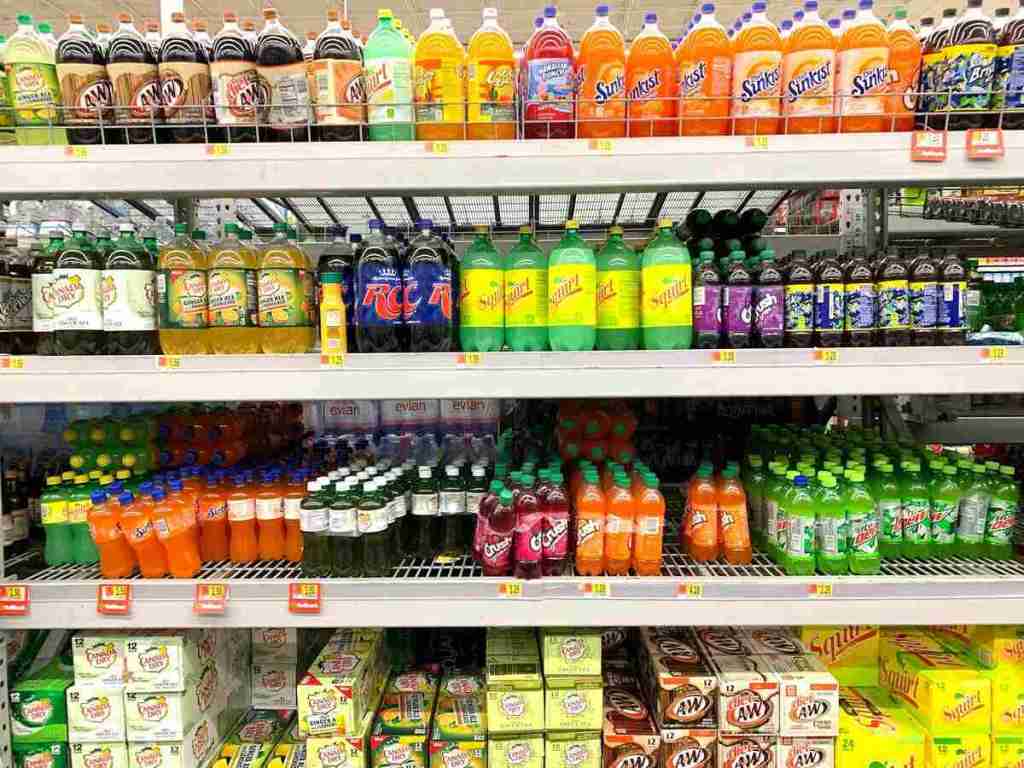
- Beverages and drink mixes, such as Diet Coke, Coke Zero, Diet Snapple, Fanta Zero, Sprite Zero, Crystal Light and Wyler’s Light.
- Sugar-free gum, including Trident, Extra, Wrigley’s and Mentos gum.
- Gelatin-based products, including sugar-free Jell-O and Royal Gelatin.
- Syrups, including Mrs. Butterworth’s Sugar Free Syrup and Log Cabin Sugar Free Syrup.
The WHO placed aspartame in a risk category below two others: “carcinogenic to humans” and “probably carcinogenic.” Other substances in the “possible carcinogen” category include aloe vera, pickled vegetables, and nickel. Past research on aspartame’s link to cancer has not yielded conclusive evidence that it causes the disease, and many studies investigating links between cancer and artificial sweeteners have relied on animals, not humans,
A 2022 study of more than 100,000 adults in France, however, found that consuming large amounts of artificial sweeteners was linked to a slightly higher risk of cancer. The 2022 study in France found that people who consumed aspartame were at an increased risk of stroke and that replacing added sugar with artificial sweeteners did not lower the risk of heart disease.
Regular consumption of artificial sweeteners can alter taste preferences and perception, making naturally sweet foods seem less appealing. This could potentially lead to a reduced intake of nutrient-rich foods like fruits and vegetables. If you don’t eat enough nutrient-dense foods, it can hinder your overall health and may even lead to deficiencies.
But what really concerns experts about artificial sweeteners, especially for children, is that they are creeping into more and more products. And given the animal data, it’s legitimate to start investigating how they are affecting the human body, particularly among those who consume them from infancy on. It was found that moms who use artificial sweeteners can pass on the agents in their breast milk, albeit in small amounts, so an entire generation may be exposed to these sugar substitutes from their first meal.
 Things we do for health
One Comment Add yours