Instant noodles or instant ramen are noodles sold in a precooked and dried block with flavoring powder and/or seasoning oil. The flavoring is usually in a separate packet, although in the case of cup noodles, the flavoring is often loose in the cup. Some instant noodle products are seal-packed; these can be reheated or eaten straight from the packet/container. Dried noodle blocks are designed to be cooked or soaked in boiling water before eating but can be consumed dry.
Instant noodles are a popular staple consumed across the globe, either as a snack or a meal. The simplicity of noodle preparation and its taste make it one of the most widely consumed meals around the world. However, instant noodles are constantly under criticism and skepticism surrounding their lack of nutritional value. According to a Mordor Intelligence report, the ready-to-eat food industry is expected to attain a value of $383.93 billion in 2023 and is expected to grow to $488.60 billion by 2028, recording a compound annual growth rate of 4.94% over the forecasted period.
In China and Hong Kong, noodles are not only a common dish but also one of the nation’s most eaten dishes by both children and adults. While many other countries refer to this dried block with seasoning products as noodles, it is popularly referred to as ramen in China. China alone consumes about 40 billion packages of instant noodles per year which is approximately 39% of the world’s total consumption. A total of 217 billion servings of noodles were consumed in China and Hong Kong from 2018 to 2022.
Although they originated in Asia, noodles have become one of the most popular foods in the United States. Growth in the domestic food use of wheat has accelerated during the last two decades and wheat flour is used to produce noodles. The U.S. market for pasta and noodles increased at a compound annual growth rate of 6.7% between 2003 and 2008, and the dried pasta/noodles category led the pasta and noodles market, accounting for 76.9%.
Instant noodles in the U.S.
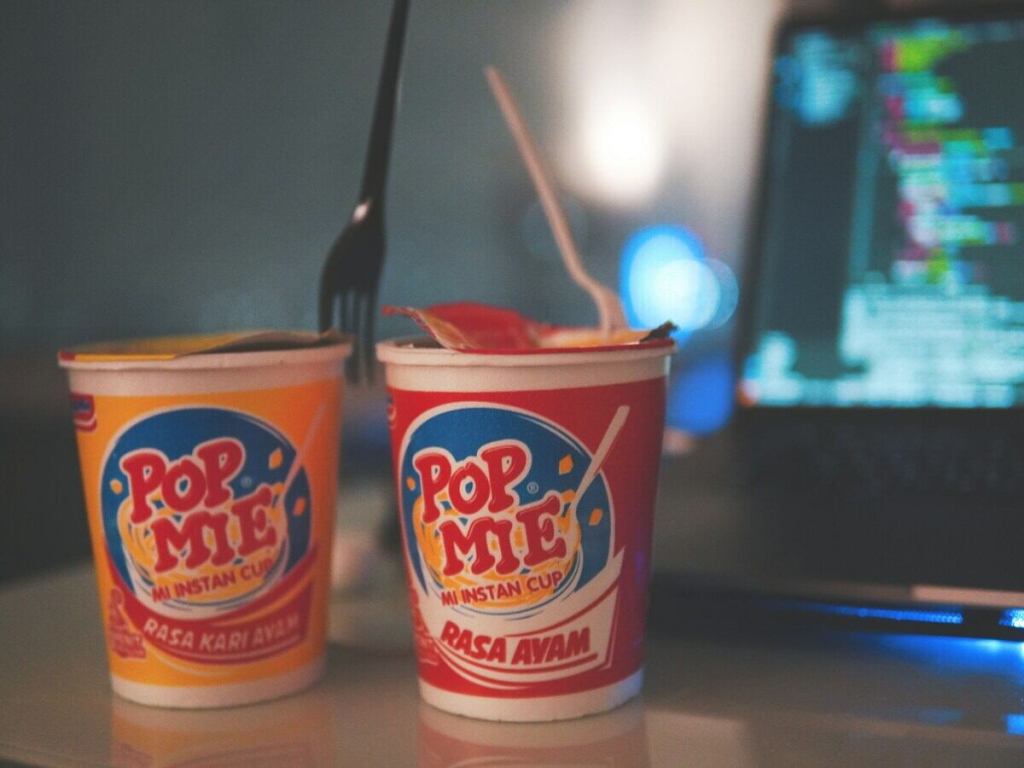
Before it was commonplace to eat ramen at a restaurant, Americans associated the dish with instant noodles. This widespread perception can be traced back to the debut of Nissin Foods’ Cup Noodle into the U.S. market in 1973. Cup Noodle was developed by Momofuku Ando of Nissin Foods on the premise that ramen would be accepted more in the U.S. market if sold in a container since most Americans do not own a bowl for ramen. Top Ramen by Nissin Foods and instant ramen by Maruchan also contributed greatly to its popularity. This was the start of ramen in the U.S., and with the addition of affordability and convenience, it quickly took off.
Nissin’s first overseas factory opened in 1973 in Lancaster, Pennsylvania. Now, in 2021, Cup Noodles is made in 80 countries and territories, each with its local variants. For example, you can eat masala Cup Noodles in India and mushroom Cup Noodles in Germany. By May 2021, 50 billion units of Nissin’s Cup Noodles had sold worldwide.
According to a report by Bloomberg, instant ramen noodles became one of the most popular foods in grocery stores at the start of the pandemic. As people clamored to get their hands on the item, Walmart’s online sales of instant noodles jumped 578% between February 23 and March 21. Following the introduction of the Nissin brand to America, many other brands became influenced by the idea of instant noodles. In grocery stores today we have a variety of instant noodles, such as ramen, chow mein, yakisoba, and pad thai. American culture strives for quick, easy, and convenient meals. It wasn’t until post World War II that Americans crazed over new innovative foods and ways to eat.
Today, instant noodles are so common in households all across the US and many different countries. Due to its convenience, some people keep this staple readily available in their pantry. Some college students might even say that instant ramen is their lifesaver. Instant noodles are easy and cost-efficient to ship since there is no need to refrigerate this item and since they are dehydrated, are not heavy either. A quick and easy meal that you can eat as is or add additional items to make your instant noodle bowl more unique to your liking. Some people add a dash of pepper, while others add an egg, cooked meats, and vegetables to their noodle dish. There are so many different ways of eating an instant bowl of noodles that the creativity is in the belly of the eater.
The nutritional value of instant noodles

Instant noodles are a type of pre-cooked noodle usually sold in individual packets, cups, or bowls. Its main ingredients are typically flour, starch, water, salt, and/or a salt substitute known as kansui, a type of alkaline mineral water that contains sodium carbonate and usually potassium carbonate. Palm oil is also a common ingredient in instant noodles as instant noodles were originally produced by flash frying. However, nowadays, air-dried noodles are also available. Instant noodles come with flavoring packets that contain seasoning, salt, and monosodium glutamate (MSG).
Since its invention in the fifties, the production process for instant noodles remains more or less the same. All the ingredients are mixed, then the dough is rolled out and cut into noodles. The noodles are steamed, dried, fried for dehydration, cooled, and then packed individually.
A vast majority of instant noodles are low in calories but are also low in fiber and protein. They are also notorious for being high in fat, carbohydrates, and sodium. While you will be able to get some micronutrients from instant noodles, they lack important nutrients like vitamin A, vitamin C, vitamin B12, and more.
A single serving of instant noodles can have anywhere between 397 – 3678mg of sodium per 100g serving, sometimes even more. While sodium is an essential mineral for the proper functioning of your body, too much sodium isn’t good for your health.
One of the largest contributors to dietary sodium intake is processed foods, including instant noodles. Having a diet high in salt has been linked to an increase in the risk of stomach cancer, heart disease, and stroke. In individuals who are considered salt-sensitive, a high-sodium diet may increase their risk for high blood pressure which, in turn, can negatively impact heart and kidney health.
Considering the 2-g-per-day sodium intake recommendation of the WHO, consuming even just one pack of instant noodles would make it very difficult for you to keep sodium intake within the recommended limits. With that said people who consume multiple packs of instant noodles per day will undoubtedly lead to massive amounts of ingested sodium.
Instant noodles have MSG, which is a very common additive found in many processed foods. Its primary role is to enhance the flavor and palatability of foods. While it is widely used in many types of foods and is approved for consumption by the FDA, there are concerns regarding its short- and long-term effects on the body.
Some studies have shown that regular consumption of instant noodles is associated with poor overall diet quality. In one study, the diets of those who consumed instant noodles were compared to those who didn’t. The instant noodle consumers were found to have a significantly decreased intake of protein, calcium, vitamin C, phosphorus, iron, niacin, and vitamin A. They also had an increased intake of sodium and calories. Instant noodles have also been found to increase one’s risk of developing metabolic syndrome, a condition that increases your risk for heart disease, diabetes, and stroke.
Instant noodles and children
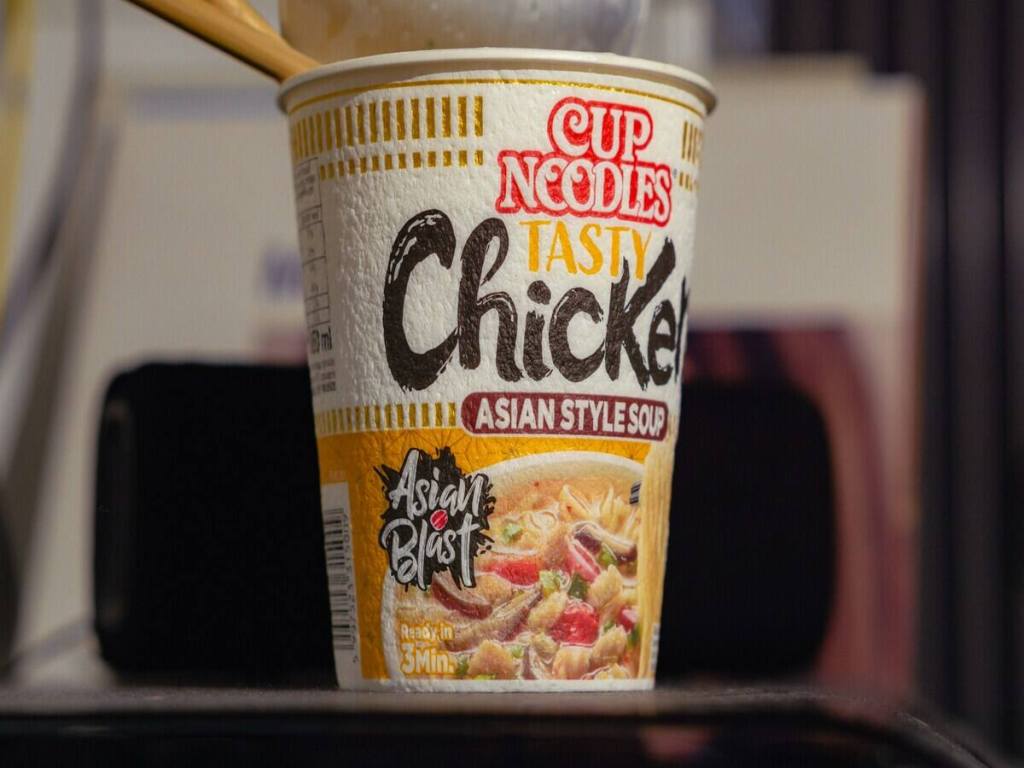
Instant noodles are not nutritious. Post-processed noodles have starch as the main ingredient. They only satisfy carbs and fats. When used for the main meal, you will not get the protein and vitamins that your body needs. This is even more serious for the development of young children. In addition, the product’s calorie content is high and is listed on the empty calorie list. Instant noodles cause fat accumulation To preserve instant noodles, they are deep-fried before being packaged. Therefore, this product has a rather long shelf life. At the same time, that fat is difficult to dissolve and absorb, so children who eat instant noodles will gain weight and become obese.
The oil to preserve the noodles is not friendly to health To keep the noodles shiny and keep for a long time, it is necessary to cover with a layer of oil to separate them. However, when eaten, these ingredients are not good for the liver of young children Noodles contain propylene Glycol. To keep the moisture of the noodles long, the production facilities have added propylene Glycol. When children eat instant noodles, there is an increased risk of damage to the heart and kidneys. But they only happen when there is a long-term accumulation process. Therefore, feeding children instant noodles regularly will increase the risk of disease faster. Shrimp noodles are used flavoring to create a delicious taste and Monosodium Glutamate is used quite commonly in instant noodles. This substance has the effect of a better taste. It is also the cause of brain damage.
Instant noodles are coated with wax during manufacturing. Wax helps impart a smooth texture to the noodles, but it can be harmful to your kids, as the regular intake of wax-coated noodles may cause liver damage. Dioxin and plasticizers are some of the dangerous chemicals that are present in the packaging material of instant cup noodles, and these chemicals may leach from the containers after adding hot water. Experts say that these chemicals are capable of causing cancer.
A new study that examined pediatric admissions at the University of Chicago Medicine for burn injuries caused by hot liquids found that nearly one-third were caused by instant noodles between 2010 and 2020. Being unsupervised led to higher risk. About 40% of instant noodle burns occurred when kids were alone.
Instant noodles are a cheap, easy-to-prepare food. It usually comes in a plastic or disposable cup, into which boiling water is poured to reconstitute the noodles. The burns that result are slightly less severe than some other types of scalds, yet they are still dangerous, leading to hospitalizations. Sometimes, surgery, including skin grafting, is required, according to the study. About 100,000 kids in the United States suffer scald burns from food and beverages each year.
The dangers of instant noodles packaging
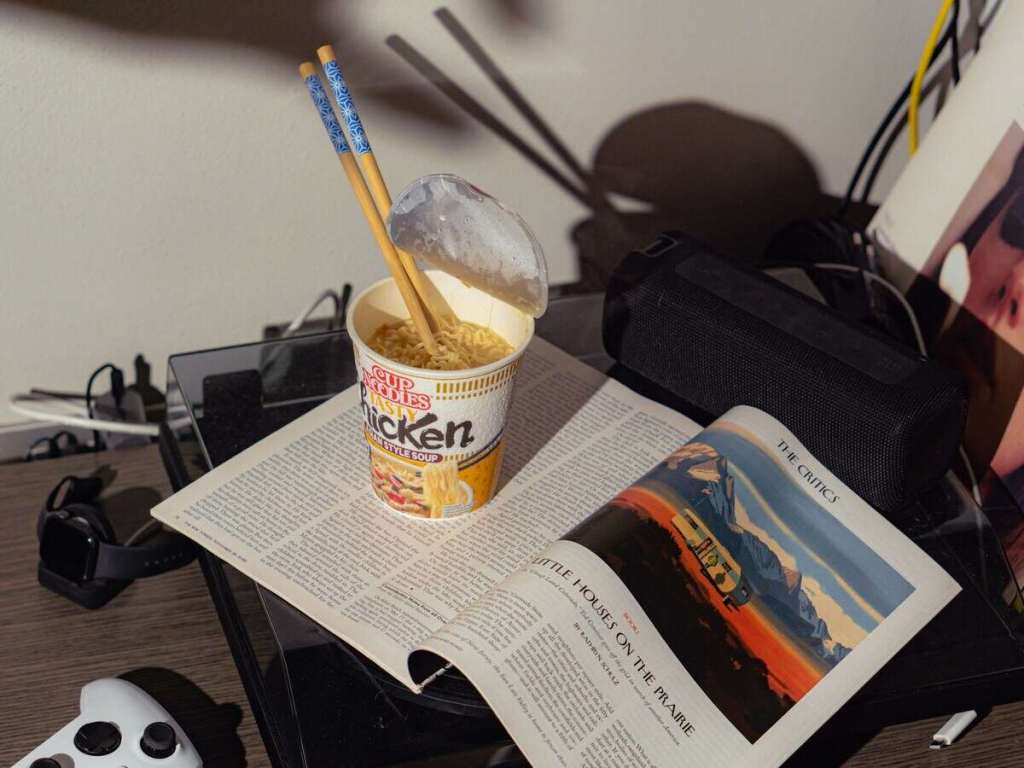
On average taken from the past 10 years, 100 billion servings of instant noodles are being consumed annually worldwide This means that 100 billion instant noodles packaging are sent into the dumps annually. Most cup noodle packaging is made of non-biodegradable foam cups (which will stay on Earth forever), made with non-renewable resources (fossil fuels), and also produces a large amount of greenhouse gases such as carbon dioxide and HFCs are accelerate global warming.
Even though some companies’ corporate social responsibility departments are investigating recyclable packaging, not all countries are prone to having a good recycling culture. Hong Kong and China are particularly lax about recycling — whilst other countries such as South Korea and Taiwan, use environmental-friendly recycling strategies that force households to sort out trash before disposal.
Plastic waste arising from local food and beverage products, mostly instant noodle brands, chiefly constituted the waste collected in the brand audit conducted by Greenpeace Indonesia in 2019. A total of 1,645 items found by Greenpeace Indonesia and volunteers partaking in the Break Free From Plastic global movement in 2019 were mostly single-use bottles of mineral water, food packaging, and instant noodles. The brand audit is aimed at calling on companies operating in the packaged food and beverage industries to be held accountability for the extensive use of single-use and throw-away plastic packaging in their products.
This Nissin Cup Noodles paper cup packaging has been announced by the brand’s US-based headquarters as a more sustainable, eco-friendly option compared to its current polystyrene cup. The packaging is crafted with 40% recycled fiber and comes in a 100% recycled paper sleeve that will be observed across the entire flavor lineup of the brand’s instant ramen noodles. The products will also no longer feature plastic wrap and will contribute towards the brand reducing its CO2 emissions by 30% by 2030 before becoming carbon-neutral by 2050.
The Nissin Cup Noodles paper cup packaging is also microwavable and is reported to support preparation in just over two minutes. The packaging comes as part of a continued shift in the industry towards more sustainable packaging.
 Things we do for health