Americans’ busy lifestyle—coupled with our desire for tasty foods—has created a spike in our consumption of ultra-processed foods over the past two decades. Research suggests that between 60% and 90% of the standard American diet now consists of foods and beverages that are highly processed. Anything that comes in a package is processed to some degree. But ultra-processed foods involve several processing steps and include multiple ingredients like preservatives, gums, fillers, flavors, and other substances like sugars, salt, and fats. They are also sometimes called highly processed foods.
Unfortunately, “junk” foods aren’t the only culprits when it comes to ultra-processing. Foods that are marketed to vegans, vegetarians, and people following a gluten-free diet—including almond milk, alternative meat products, and bakery items—are often full of gums, fillers, preservatives, and other ingredients. Processing isn’t all bad. After all, cooking, rinsing and even cutting are types of processing—and that type of processing can impart health benefits.
Cooked tomatoes, for example, boast more of the cancer-fighting compound lycopene than their raw counterparts. Similarly, lightly cooking vegetables like spinach and carrots can enhance the absorption of important nutrients. The key is to focus on whole and single-ingredient foods and process them yourself.
Ultra-processed food consumption grew from 53.5% of calories at the beginning of the period studied (2001-2002) to 57% at the end (2017-2018). The intake of ready-to-eat or heated meals, like frozen dinners, increased the most, while the intake of some sugary foods and drinks declined. In contrast, the consumption of whole foods decreased from 32.7% to 27.4% of calories, mostly due to people eating less meat and dairy. So what are the steps that we need to take to start eating more healthy but at the same time not spending a lot of money? Healthy food especially organic costs a lot more than a pack of ramen noodles. But there are still some things we can do to prevent any risks to our health.
Carbs are not your enemies
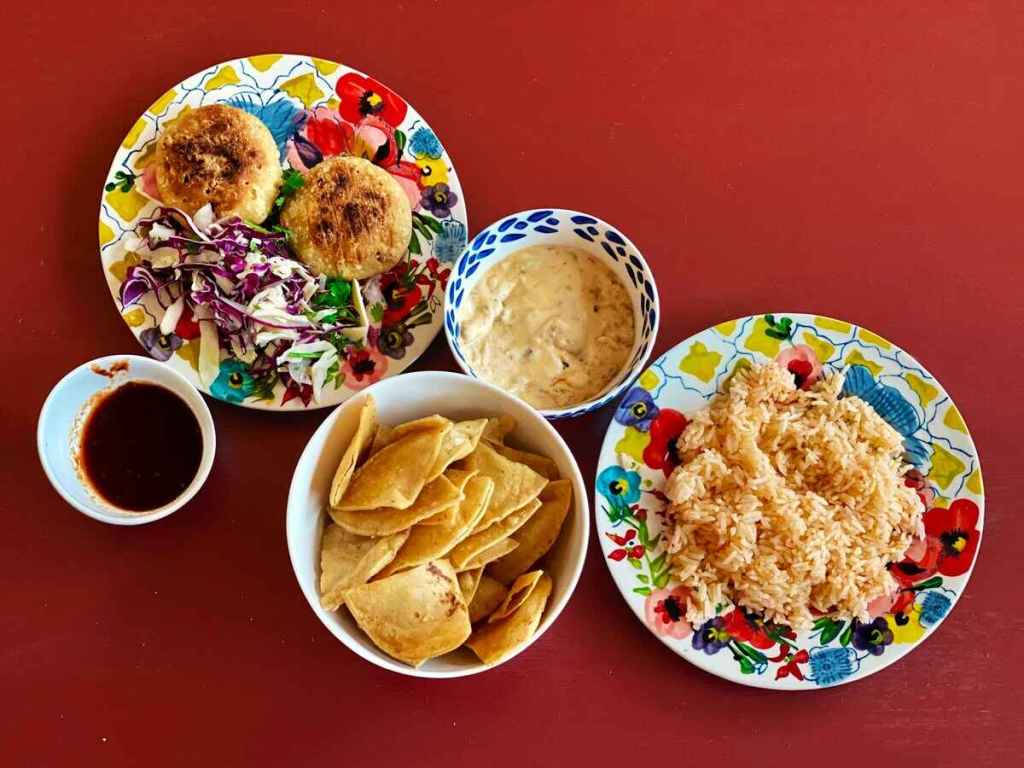
During 1999–2016, the average proportion of daily calorie intake that refined grains, added sugar, and starchy vegetables represented decreased by 3% in the U.S. However, these low-quality carbohydrates still account for 42% of daily calories, while high-quality carbohydrates — such as whole grains and fruits — only account for 9%. So how do you choose the right carbs and not break the bank?
You can still eat pasta, bread, and rice which are the main sources of carbs that are usually part of our diet. But there are still some ways to make them healthier. If you want to have pasta lower the amount per serving and include a large side of salad. That goes the same for rice. If red rice or healthier brown rice is just too expensive, especially if you have a large family stick to white rice but limit the amount and also limit on how many times a week you will have it. Mixing carbs with protein, fiber, and vegetables is a healthy way to include carbs in your diet but trying to slow down the sugar spike in your blood. Limiting the amount of carbs in your diet will also result in limiting the number of calories you ingest daily.
For bread, instead of buying expensive whole grain bread that is not economical, you can try to make your bread. Using additions like flaxseeds, walnuts or almonds will not only make your bread more nutritionally healthy you will notice that it makes you full for a longer time than white bread. You don’t even have to buy the processed almond flour, Just blend a handful of nuts and add them to your white flour. Making bread with a half cup of milk and a splash of olive oil will make it more tasty and more nutritious. The only downfall of making fresh bread is that it can stay only for a maximum of 3 days before it gets moldy. The reason is that it doesn’t contain any of your usual preservatives. And you can easily fix that situation by putting the leftover bread in the freezer and saving it for later.
The freezer is your friend
Even if you have a small freezer space there are still things you can put away that will help you save money. Making extra pasta sauce or soup and putting it away in the freezer will save a lot of time and money. If you are getting too busy to cook instead of ordering a food delivery you can simply take food out of your freezer and enjoy it.
Meals that are worth their weight in gold frozen are especially sauces, soups, and vegetables in season while they are cheap, meats on discount, homemade bread, butter, homemade burger patties, seasoned ground beef, the options are limitless. I know that some people don’t like the taste of frozen foods but this way it will be way more healthier than the frozen dinners you buy in your grocery store.
Having a decent-sized freezer will enable you to plan your meals and have them done faster and cheaper than ordering a takeaway. There are so many types of food you can save for later and lower your food waste. After a couple of months, you will notice that your food budget is getting lower, and at the same time, you are eating more healthy meals with fewer additives and more vitamins and minerals.
Avoid the bad fats if you can

I don’t believe in fat-free diets. I believe in consuming good fats. I like my milk and yogurt full of fat all the way. But I despise all types of vegetable oils and try to use them as little as possible. But not all of us can afford cooking with extra virgin olive oil or avocado oil. Choices that we can make to avoid bad fats is not to eat a lot of fried foods.
Things like cheese, cream, margarine, mayonnaise, and packaged bacon are not healthy in the long run. I know that they taste great but the long-term effects of eating them are just not worth it. The things that I try to implement in my diet are, especially unsweetened yogurt and milk kefirs. They help to boost your immune system with probiotics and also contain calcium and other important nutrients. You can try to eat avocadoes when they are in season and don’t be afraid to add some butter or lard while cooking for that creamy texture.
Not all fats are bad. Animal-based fats are more healthy than plant-based ones. They are less processed and contain less saturated fats. They are more healthy for your heart and cholesterol levels and add more flavor to meals. Adding fish, unprocessed nuts, and eggs will do a lot of good to your diet and keep you in excellent heart health.
Kill the sugar or at least try to

The average American adult, teenager, and child consumes about 17 teaspoons of added sugar a day, or about 270 calories. While we sometimes add sugar or sweeteners like honey to food or beverages, most added sugar comes from processed and prepared foods. The leading sources of added sugars in the U.S. diet are sugar-sweetened beverages, desserts, and sweet snacks like ice cream, pastries, and cookies. Less obvious yet significant contributors are breakfast cereals and yogurt.
The Dietary Guidelines for Americans 2020-2025 advise that all Americans 2 years and older limit added sugars in the diet to less than 10% of total calories. For a 2,000 calorie/day diet, that translates into 200 calories or 50 grams of sugar daily (about 12 teaspoons of sugar). Toddlers and infants younger than 2 years should not be given solids or beverages with any added sugars. The American Heart Association (AHA) recommends that Americans drastically cut back on added sugar to help slow the obesity and heart disease epidemics.
Sugary drinks are a prime source of extra calories that can contribute to weight gain and provide no nutritional benefits. Studies indicate that liquid carbohydrates such as sugar-sweetened beverages are less filling than solid food, causing people to continue to feel hungry after drinking them despite their high calories. They are coming under scrutiny for their contributions to the development of type 2 diabetes, heart disease, and other chronic conditions.
One thing that I will never give up on is having sugar in my coffee. I have never wanted to drink bitter coffee. Artificial sweeteners just don’t work for me but you can try them. The healthy ones are stevia and honey but be careful of the processed ones. If you commit to eating healthy I’m sorry to say but you will have to cut out the sugar. Almost completely. That means all your favorite snacks like chocolate, ice cream, cakes, cookies, candy, sodas and others. They do so much damage to your body and health that there is no way around this.
Substitute your food
Eating fresh foods is always more healthy than eating processed ones. Starting from fresh chicken, beef, lamb, fish, fruits and vegetables, nuts and seeds. Always try to cook your meals with fresh ingredients. Avoiding processed foods such as sausages, nuggets, burger patties, cold meats, bacon, ham, ramen instant noodles, ready-to-eat meals, frozen pizzas, and many others. I know that they are convenient and cheap but they are also very unhealthy. Meal planning and grocery shopping based on the meals you will cook throughout the week will help you make better choices for your family.
So you can try substituting your mashed potatoes with baked sweet potatoes, your mac and cheese with homemade pasta sauce, or your burgers with stir-fried chicken and veggies. These all don’t require a lot of time in the kitchen and they taste great. So take a look at what types of food your family likes to eat and which foods you can substitute them with. For example, rice as a side can be substituted with healthier homemade bread with olives or almonds, bacon with sliced avocado, cheese with eggs, sausages, and nuggets with homemade chicken patties. There are so many healthier choices out there. You just need a little bit of creativity. You don’t have to look for exotic foods that cost an arm and a leg. Nobody is telling you to cook quinoa, kimchi, or salmon. Just look at what you can use that is more healthy and that you enjoy having.
Stay consistent
It’s very hard to give up on habits you and your family have been having for many years. You will need patience and strength to keep going. Especially people with children who will demand foods that they enjoy and will refuse to eat what you make. Open discussions about health and food will need to be started from time to time. Educating your children on why it’s important to eat more healthy and what choices we can make when it comes to food will teach them an important life lesson.
There will be times when you will reach for a chocolate or a cake. Don’t feel too bad about it. It happens to everybody. Try not to feel guilty about it. The fact is that most people have been eating a lot of processed foods for most of their lives. It’s not easy to give it up all of a sudden. Still, try to avoid such things happening. The best way is not to have any unhealthy foods around your house. And have a healthy snack available at all times when you feel hungry. It can be a yogurt, a piece of fruit, a handful of nuts, or a cup of tea. As long is not processed it doesn’t matter how many calories it has. Soon you will feel that you don’t have to eat that much. This type of food will make you feel full for longer, your mood will be better, and you will feel stronger with more energy. There are so many advantages of eating more healthy that you will start to notice and enjoy.
Don’t expect that it will be easy. But it’s important to give it some time. You will probably want to give up from day one. However, keep reminding yourself of the reasons and motives why this is necessary for you and your family. You can start small with just one healthy meal a day or you can go all in. Give it at least a month in consistent work and create more healthy recipes. Avoiding processed foods as much as you can. Then after one month you can easily see your food budget and decide for yourself if this is something that works for you.
Be aware of calories but do not avoid them
Whether you are trying to lose weight, gain weight, or maintain your weight, having a basic understanding of how many calories your body requires can help you figure out how many calories to consume. The U.S. Department of Agriculture (USDA) collects data about the recommended calorie ranges for men and women. Depending on your activity level and body composition, your numbers may vary.
The total number of calories you consume every day is a major determining factor in your body weight. Once you get a baseline idea of how much energy your body requires, you can make adjustments to your energy balance, and as a result, change your weight. But note that calories are estimates, and this process won’t be perfect.
Can you guess how many calories most Americans consume per day? According to some reports, the number is as high as 3,600. This figure has been on the rise for nearly half a century. Rising rates of calorie intake are likely contributing to the increased obesity rates for society as a whole. It’s important to note that 100 calories coming from a bar of chocolate and 100 calories coming from a boiled egg have very different effects on the human body. You will not get any vitamins, proteins, or nutrients from chocolate. A boiled egg is full of protein and good fats that can provide much-needed energy that your body will easily digest.
One slice of pizza has 250 to 320 calories. And very rarely we stop at one. You have carbs, saturated fats, sugar, and many other unhealthy components. Compared to a chicken sandwich which has around 280 calories it is a full meal where you get protein, carbs, no sugar, no saturated fats, and no preservatives. The point is to not to look only at calories but try to understand what you are eating. How much it will cost you in health terms and what you can do better for the same amount of calories you are eating? To have the best health effect from the food we are eating we have to understand what we are eating before we make any significant changes to our diet. Understanding food and how we can make it work for us is the difference between living to eat and eating to live a healthy and fulfilled life.
 Things we do for health