As energy costs and home prices continue to rise, more Americans are choosing to live off-grid. According to one estimate, more than 250,000 people in the U.S. have an off-grid lifestyle. While the potential cost savings are certainly attractive, technology and interest in tiny homes, shipping container homes and other energy-efficient housing alternatives are allowing families interested in sustainable lifestyles to move to off-grid living.
Living off the grid refers to a lifestyle where individuals or families live in self-sufficient, often sustainable homes not connected to traditional utilities such as electricity, water, and sewage. Instead, they rely on alternative power systems and tend to conserve resources by reducing their dependence on modern technology. This lifestyle is becoming increasingly popular as people seek more sustainable and environmentally friendly ways of living.
Living “off-grid” means different things to different people. For some, it’s simply disconnecting from traditional society by living in an RV. For others, it means running a self-sustaining compound in the woods with permanent solar energy installations, water filtration systems, and waste removal. It’s difficult to measure exactly how many people live off the grid in the US, but a 2019 study found national estimates ranged from 180,000 households to 750,000. In fact, the number of people opting for off-grid living has been steadily rising over the years. This can be attributed to various benefits that this lifestyle offers, such as self-sufficiency, reduced or no government utility costs, a minimalistic lifestyle, financial freedom to allocate your money as desired, and a pursuit of a simpler and more satisfying way of life.
What it means to live off the grid?
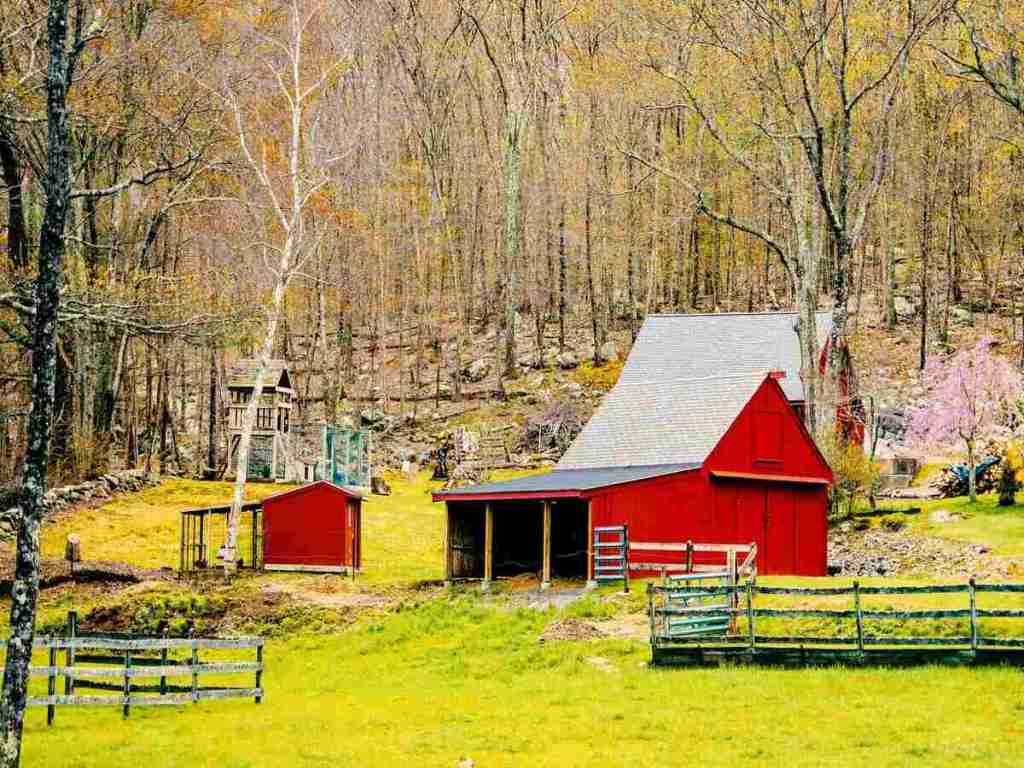
Living off the grid refers to a lifestyle in which individuals or households are self-sufficient and do not rely on public utilities or services. This includes generating electricity through renewable sources such as solar panels or wind turbines, collecting rainwater for their water supply, and growing their food through gardening or farming. Living off the grid can also involve using alternative waste disposal methods, such as composting toilets or septic systems.
It is also important to note that going off the grid does not mean you have to give up on all the comforts of society; you can still choose to gain benefits from certain external services, like opting for internet service, even if you generate your electricity. It’s all about finding what suits your specific lifestyle.
There are several advantages to going off the grid.
- Independence: Individuals can decrease their dependence on government utilities by becoming more self-reliant and independent. This can lead to a greater sense of freedom and control over one’s own life.
- A stress-free life: When you use your resources freely without worrying about utility bills, you can live a more care-free life. Being in nature further promotes peace in life.
- It helps the environment: Going off the grid means you use renewable energy resources like solar generators or wind turbines, which leads to no pollution and promotes sustainability and environmental consciousness.
- It gives you financial freedom, And most importantly, living off the grid can lead to cost savings and a more financially free life, as you don’t have to pay utility bills or worry about the rising costs of energy and water.
Being off the grid means not being physically hooked up to utilities by wires, pipes, or cables. Off-grid homes therefore rely completely on their own energy sources, which can often be renewable energy sources such as the sun and the wind. When a building is off the grid, it means it has no physical connection or relationship with any sort of utility, and all the power it uses comes from an energy source that it generates and stores on its own.
Self-consumption and living off the grid share certain characteristics but are different in a very important way. Any building that goes off the grid must be totally self-sufficient for its energy needs because all physical connections with utilities such as wires or cables have been severed. Living off the grid therefore implies a robust and reliable energy generation and storage solution, since flipping a switch in the event of a power shortage is not an option. Homes, offices, or facilities that are off the grid therefore generate their own power through solar, wind, wood-burning stoves, or fossil fuel-powered generators. The term self-consumption refers to the capability of homes or businesses to generate their own power from renewable resources and use it to meet part of their own energy consumption.
Supporting companies in improving their energy performance and achieving Net Zero goals,
self-consumption is, therefore, necessary to live off the grid, but families or businesses that choose self-consumption remain connected to the energy grid and can access it whenever they need to. This is clearly a big advantage.
Achieving energy self-sufficiency is a key part of how to live off the grid, and involves not being physically connected to an energy utility. People choosing to live off the energy grid and not be dependent on a utility for power must therefore generate their own energy by installing their own solar panels, wind turbines, or an on-site generator if they want to continue to use electricity for heating, cooking, and communication.
Living off the grid in terms of energy self-sufficiency is relatively easy today thanks to readily available technology. One of the most common sources of power for those who choose to live off the grid is a solar power system made up of photovoltaic panels to absorb and generate energy from the sun, along with batteries to store that energy for use when the sun not shining.
Are there any disadvantages on living off the grid?
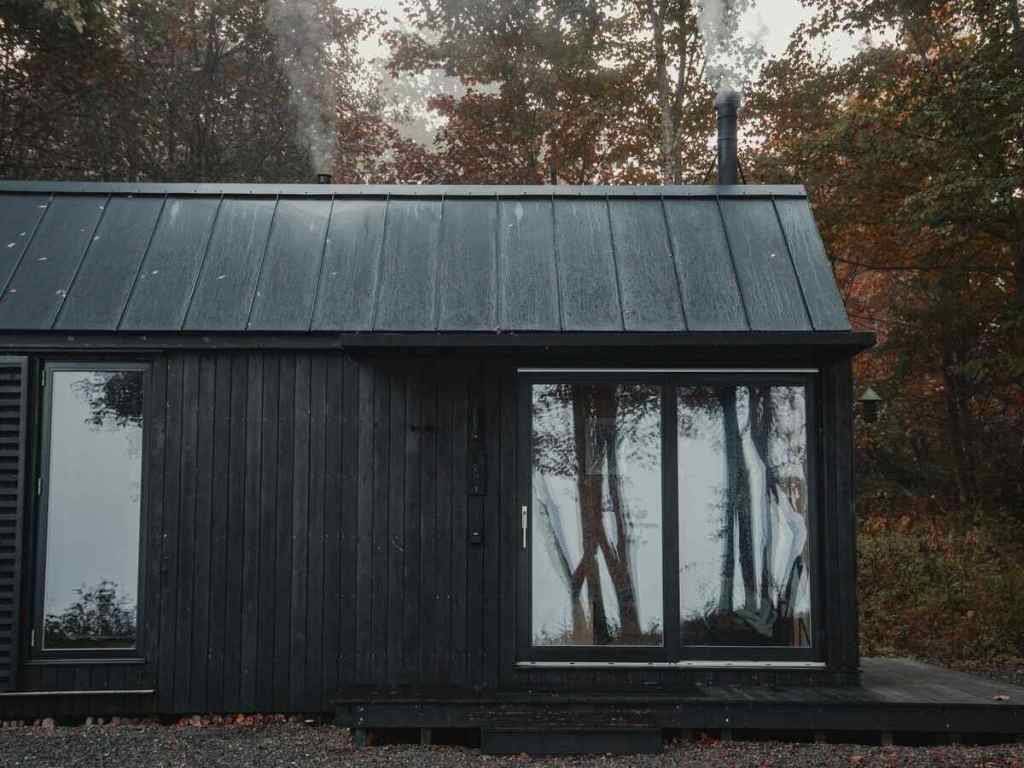
When considering going off the grid, it’s important to consider personal preferences and circumstances to weigh the pros and cons. However, there are also some downsides to going off the grid.
- High initial costs: Despite the benefits of self-sustainability and saving money in the long run, the initial setup costs for installing renewable energy and water collection systems can be expensive.
- It requires effort to set up: It may also need a significant amount of time and effort to set up these systems and ensure they function properly.
- Disconnect from society: Depending on your preference, individuals may feel isolated or disconnected from society, as they are not partaking in traditional systems and services.
To get off the electric grid and meet the cost of living off the grid you’ll need to make an upfront investment in an energy system to allow for self-consumption. This investment varies according to the size of the property and the energy needed and will be recouped over the years by savings on energy costs. Once the initial investment in an energy system and storage is made, the operational costs are minimal. An investment in an energy system can mean, for example, buying a specially designed off-grid solar panels kit with a battery to capture the sun’s energy, convert it into electricity, and store extra energy. Once you install the system on your rooftop or balcony, you will no longer be subject to market price fluctuations and you can start saving money on your electricity bills in the long-term.
Joining an off-grid community allows you to be part of a supportive group of like-minded individuals who share values and goals, creating a strong sense of belonging and community. These communities have developed their own ecosystems and rely on alternate sources of energy and resources, working together to sustain their off-grid lifestyle. Additionally, joining a community may provide access to shared resources and knowledge, making navigating the challenges of living off the grid easier.
While living off the grid is technically not illegal in any of the 50 U.S. states, some of the essential infrastructure aspects of going off-grid are either too strictly regulated or banned. For example, in Mississippi, your system needs to be grid-tied, and disconnection is illegal.
Such problems usually arise when people want to remove their homes from the electrical grid entirely, build a home without connecting it to a grid, or put composting commodes in their homes. Such actions can lead to heavy fines or even jail time. Installing a septic system that passes health department rules is another challenge for those looking to go off-grid.
Off-grid living laws vary by state but also vary greatly in municipalities and counties as well. Generally, urban areas have the most restrictions regarding off-grid living, as well as affluent suburban areas, especially those with homeowners associations. Small towns have also placed restrictions on common off-grid activities, although usually not as stringiest as in urban areas, that typically focus on disconnecting from the power grid and sewer systems. Rural areas are the best place to take advantage of off-grid living, as they usually have the least restrictions and even lack zoning restrictions other than health department septic installation regulations.
How do you even start?
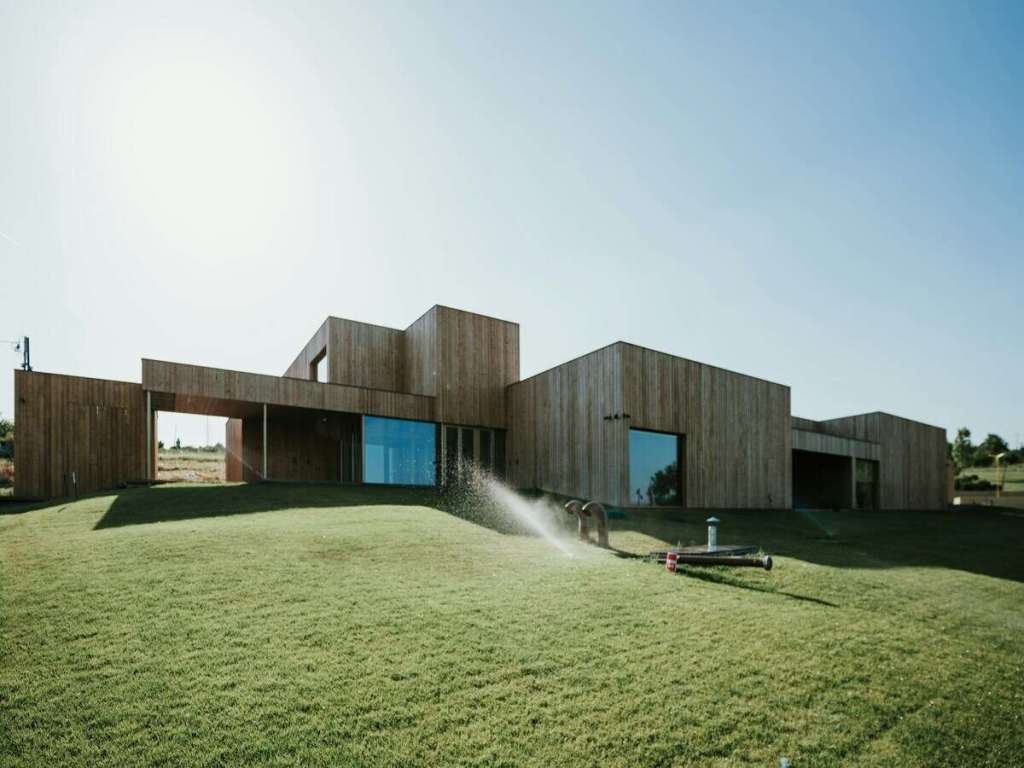
Building an off-grid life for yourself can be excellent for more independence and a personalized way of living. Here’s how you can do it.
Find free land: Discovering free land for your off-grid life can be challenging, but options exist. Explore government programs and land trusts, or connect with like-minded communities. Online platforms dedicated to off-grid living can be valuable for finding opportunities.
Explore shelter options: Once you secure land, consider shelter choices. Building a small cabin or tiny house with sustainable materials is cost-effective and eco-friendly. Alternatively, explore options like yurts, shipping container homes, or earthbag construction for flexibility and reduced upfront investment.
Manage food and water: Efficiently managing food and water is vital. Evaluate land for optimal crops and use permaculture for a self-sustaining food system. Raise livestock and acquire knowledge in organic gardening, composting, and water conservation. Drill a well or harvest rainwater, conserve water with low-flow fixtures and greywater systems, and learn water purification methods.
Secure power: Choose renewable sources like solar generators or wind turbines for off-grid power. Install solar panels for low-maintenance energy, meeting home electrical needs. Assess your energy requirements to select a reliable solar generator.
Learn essential skills: Thriving off-grid requires essential skills like woodworking, gardening, animal care, first aid, and basic plumbing/electrical knowledge. Utilize workshops, online resources, and community networks for hands-on experience and knowledge acquisition.
Ultimately, the decision between joining an off-grid community and building an off-grid life depends on your preferences and circumstances. Consider factors such as your desired level of independence, access to resources, and willingness to invest time and effort into creating your off-grid lifestyle. Both options can lead to a fulfilling and sustainable off-grid life, so choose the path that aligns best with your goals and values.
If you’ve been looking into what the best states are for off-grid living, you know that the internet has a lot of different answers. Ultimately, there are ways to live off-grid in almost every state in the United States, which means that giving an accurate list is challenging. Climate, legal landscape, and population density are usually the most important considerations for this lifestyle. But there are also factors like taxes, land costs, and water availability that must be taken into account.
The best state for your off-grid journey will be much different from the next person’s ideal, so please do your research. Make a list of all the things you need to enjoy this experience (preferred climate, remoteness, etc.) and explore different options based on what is best for you.
The best states that are the friendliest to off-grid living based on their laws include
- Alaska
- Arkansas
- Delaware
- Hawaii
- Idaho
- Illinois
- Iowa
- Kentucky
The states that have the most laws that do not align with off-grid living include
- Colorado
- Connecticut
- Maryland
- Massachusetts
- New Jersey
- New York
- Pennsylvania
- Rhode Island
- Utah
Instead of being dependent on the usual infrastructures of urban living, you are self-sufficient. By living off-grid, you reconnect with nature by supplying your own power, and water and even growing your own food. Overall, this way of life minimizes negative impacts on the planet alongside providing you with freedom like no other.
However, switching from modern living to off-grid life is no easy task. It may sound picturesque to sell all your belongings, hike into the wilderness, and live off the land, but in reality, it can be a major culture shock. Without the right knowledge and mindset, you won’t last long before it’s back to the rat race and unfulfilling modern life.
Living off the grid might seem like a radical change to some, but it’s actually a more simplistic way of living. By removing yourself from the stressors of modern living, you can create a lifestyle that is more connected to the natural world. According to research, this connection can have a profound impact on your mental health and wellbeing.
 Things we do for health