In the American imagination, at least, the family farm still exists as it does on holiday greeting cards: as a picturesque, modestly prosperous expanse that wholesomely fills the space between the urban centers where most of us live. But it has been declining for generations, and the closing days of 2019 find small farms pummeled from every side: a trade war, severe weather associated with climate change, tanking commodity prices related to globalization, political polarization, and corporate farming defined not by a silo and a red barn but technology and the efficiencies of scale. It is the worst crisis in decades. Chapter 12 farm bankruptcies were up 12% in the Midwest from July of 2018 to June of 2019; they’re up 50% in the Northwest. Tens of thousands have simply stopped farming, knowing that reorganization through bankruptcy won’t save them. The nation lost more than 100,000 farms between 2011 and 2018; 12,000 of those between 2017 and 2018 alone.
Farm debt, at $416 billion, is at an all-time high. More than half of all farmers have lost money every year since 2013 and lost more than $1,644 this year. Farm loan delinquencies are rising.
Suicides in farm communities are happening with alarming frequency. Farmers aren’t the only workers in the American economy being displaced by technology, but when they lose their jobs, they are also ejected from their homes and the land that’s been in their families for generations.
Smaller farmers warn that a country without local farmers can create problems in the food supply chain. If one company is providing all the milk or cheese to an entire region, what happens when that plant gets contaminated or a storm isolates it from the rest of the country? It’s an incredibly fragile supply chain, and when it fails, it fails. Family farmers say concentrating farmland among a few big companies is akin to feudalism, and un-American. It also diverts whatever profits might come from farming to faraway investors, aggravating the economic and geographic divisions that feed the nation’s political divide.
Small farms can not compete with large conglomerates
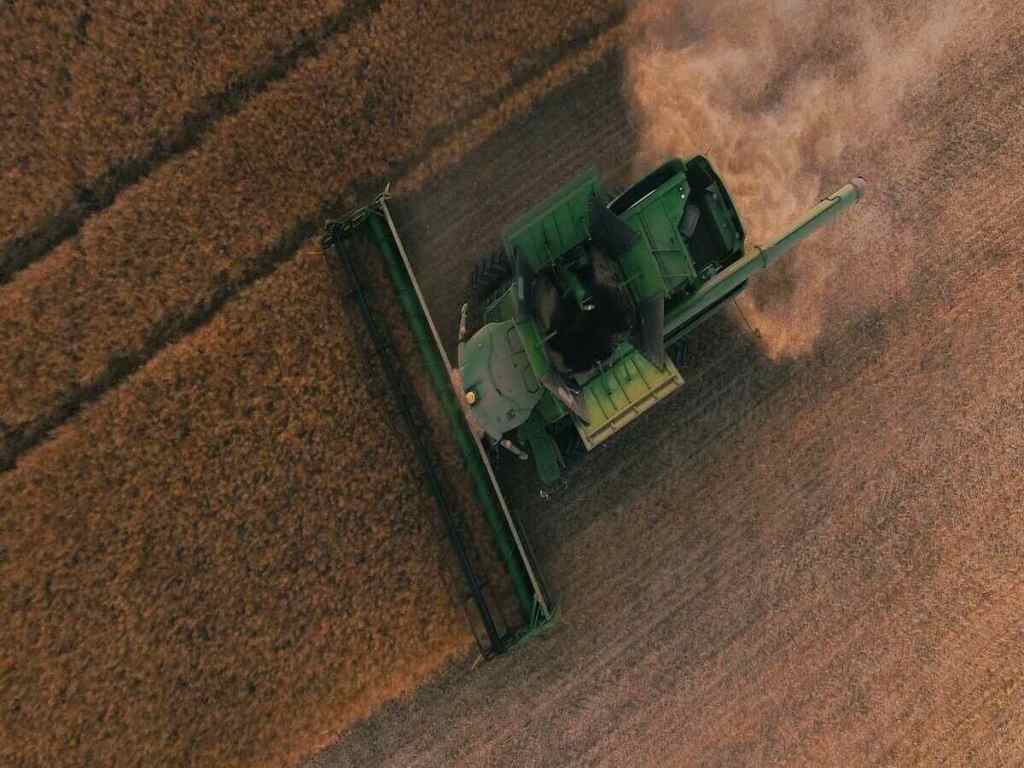
In 1990, small and medium-sized farms accounted for nearly half of all agricultural production in the US. Now it is less than a quarter. As the medium-sized family farms retreated, the businesses they helped support disappeared. Local seed and equipment suppliers shut up shop because corporations went straight to wholesalers or manufacturers. Demand for local vets collapsed. As those businesses packed up and left, communities shrank. Shops, restaurants, and doctors’ surgeries closed. People found they had to drive for an hour or more for medical treatment. Towns and counties began to share ambulances.
Corporate agriculture evolved to take control of the entire production line from “farm to fork”, from the genetics of breeding to wholesalers in the US or far east. As factory farms spread, their demands dictated the workings of slaughterhouses. Smaller abattoirs, which offered choice and competitive prices to family farmers, disappeared, to be replaced by huge operations that were further away and imposed lower prices on small-scale breeders. Missouri, to the south, had 23,000 independent pig farmers in 1985. Today it has just over 2,000. The number of independent cattle farms has fallen by 40% over the same period.
Multinational corporations are vertically integrated, from animal genetics to grocery stores. What they charge isn’t based upon what it costs to produce, and it’s not based on supply and demand, because they know what they need to make a profit. What they have done, through government support and taxpayer support, is to intentionally overproduce so that the price stays low, sometimes below the cost of production. That kicks their competition out of the market. Then they become the only player in town.
Over the past 50 years, the United States has lost more than a million farms, yet more animals than ever are being raised, slaughtered, and processed. The modern operations that raise most animals for food today are far larger than those of years ago, and many specialize in only one type of livestock or even one stage of an animal’s life. The very largest of these now account for a huge proportion of production. In 2002, for example, the average U.S. hog farm produced 2,255 animals, but most of the hogs produced in the country came from operations more than 10 times that large. In the same year, most of the cows sold in the United States came from operations selling more than 34,000 head, and most of the broiler chickens came from operations that produced more than 500,000 birds.
Many large operations have relatively little cropland and are often geographically concentrated in certain areas, particularly around meatpacking and processing plants. As the U.S. Department of Agriculture (USDA) has pointed out, these larger facilities now produce excess amounts of waste and are “also more prone to use antibiotics intensively to pre-empt the spread of animal disease and to accelerate animal growth.” This contrasts with more traditional diversified farms, which maintained a balanced mix of crops and livestock.
Consolidation in the livestock industry has occurred through mergers, acquisitions, and the demise of small businesses, and today’s market reflects the dominance of a relative handful of large entities that control the slaughter, processing, and marketing of most livestock. A look at the “four-firm concentration”—a common measure of market dominance by the top firms in an industry—shows the long-term trend toward consolidation in the meat industry.
Inflation and restricted access to land

Farmers are both producers and consumers within their industry. They acquire various inputs like seeds, feed, fertilizer, fuel, utilities, equipment repair, and more. Consequently, rising prices lead to higher costs for these inputs, affecting their operations. Fertilizer prices in particular skyrocketed, with some farmers reporting a 300% increase in 2022 over the previous year. This implied utilizing fewer inputs or scaling back on important production practices. Moreover, inflationary pressures can lead to increases in commodity prices which may partially offset the high cost of farm production. However, this sets off a cycle where high commodity prices in turn increase demand for farm inputs. High commodity prices also make US exports less attractive, as foreign consumers require more dollars to purchase them. Amidst these price hikes, agricultural assets such as land appreciate. Whether this is advantageous or detrimental depends on whether the farmer owns or rents the land, with renters being more adversely affected. One of the Federal Reserve Board’s tools for combating inflation has been an increase in interest rates. However, for farmers, this translates to higher borrowing costs. Fortunately, inflation rates have been on a decline, dropping to 3.4% in 2023 from 6.5% in 2022, offering a more promising outlook compared to previous years.
Farming is about the land. Land makes up more than 80% of the value of the U.S. farm sector’s total assets, according to the U.S. Department of Agriculture.
It’s central to the culture of farming in the U.S. It’s also central to what keeps people out of farming. Land is expensive now, more so than it has ever been. It’s also more scarce. There was a 2% drop in the amount of farmland nationwide from 2012 to 2017, the time between agriculture censuses. That’s a drop of about 14 million acres.
Access to and ownership of land also has a complicated history in American agriculture. It’s a privilege that has not always been afforded to all. These things, combined, make it hard for people to get into an industry that is more connected to the land than any other business in the country.
You need to find the land. If you come from a farming family, maybe you can borrow some land to get started before going out on your own. Otherwise, good luck. There’s no centralized resource for all available farmland, just a hodgepodge of private and public services.
You can scan the local auction listings. If you Google “farmland for sale,” you’ll come up with a dozen or more realty websites that aggregate farms and ranches for sale. Most states have a Farm Link program, a combination matchmaking service, and a database for farmland listings. If you want to find something locally, your best bet is to make connections within your local farm community to find land through word of mouth. A lot of land that is sold or transitioned never goes on the market. It often changes hands through family or people retiring farmers already have connections with, like other local farmers.
A 2016 USDA Economic Research Service report found about 10% of all land in farms was expected to be transferred between 2015 and 2019, most of which would change hands through gifts, wills, trusts, or sales to a family member. Surveys have shown only about 25% of young farmers come from farm families.
The price of land across the country has crept up over the years. The average price per acre for a farm in 2020 nationwide was $3,160. The price was significantly higher in Pennsylvania and Ohio. The average price for a farm in Pennsylvania is $6,600 per acre. In Ohio, it’s about $6,350 per acre. At that rate, a 100-acre farm today would cost well over half a million dollars to buy. And that doesn’t include equipment, livestock, feed, infrastructure, or labor.
Compare that with the cost per acre in 1970. The average price for a farm was $373 per acre in Pennsylvania and $399 per acre in Ohio. Depending on your operation, renting land might be more sensible. The average cost to rent cropland, in Ohio in 2020, was $156 per acre. In Pennsylvania, it was $92 per acre.
Climate change and extreme weather

Agriculture is an important industry in the Northwest. From vineyards to orchards to dryland and irrigated farms, the Northwest is one of the most productive agricultural regions in the country and hosts nearly 40 million acres of farmland. Agriculture represents 8.3% of total sales and 7.5% of all jobs in the Northwest and accounted for nearly $7 billion in sales in 2021. In addition, roughly 36,000 small farms (farms with an income of less than $250,000 annually) dot the landscape. The Northwest is also the top producer of 28 agricultural products: Washington is the leading producer of apples, Oregon produces 17% of the country’s cherries, and Idaho produces nearly 1/3 of U.S. potatoes every year.
Climate change impacts agriculture, and as such, can have effects on the broader economy. For example, climate change can affect crop yield, which can mean less revenue for farms and less food for people. Hotter, drier conditions across the Northwest can reduce soil moisture and increase heat stress in crops. This can result in crop loss, such as losses that occurred during the 2021 Northwest Heat Dome. Increased temperatures can also lead to issues like crop sunburn from extreme heat, which can reduce annual yields for farms by as much as 40%. Though temperature increases may lengthen growing seasons for farmers, changes to precipitation patterns could lead to water scarcity during peak growing months. These changes could disrupt the timeline of water availability and growing patterns for many crops in the Northwest, resulting in a potential loss of yield.
Agriculture is very sensitive to weather and climate. It also relies heavily on land, water, and other natural resources that climate affects. While climate changes (such as in temperature, precipitation, and frost timing) could lengthen the growing season or allow different crops to be grown in some regions, it will also make agricultural practices more difficult in others. The effects of climate change on agriculture will depend on the rate and severity of the change, as well as the degree to which farmers and ranchers can adapt.
Extreme weather patterns are posing difficulties across the agricultural community, but especially among small farmers, who have limited funds to deal with inconsistent weather that is affecting their cattle or crops.
As the climate changes, American farmers face a slew of new threats to their harvests and business models. More frequent floods and droughts can wipe out months of work overnight. Rising temperatures are expected to slow plant growth in the Northern Hemisphere within the next decade, while higher carbon dioxide levels reduce the nutritional value of fruits and vegetables. Altogether, a recent NASA study found that some yields could decrease by 24% as soon as 2030. Research from the American Farm Bureau Federation suggests that nationwide, natural disasters caused $21.5 billion in agricultural losses last year. Only about half of those were protected by insurance, the majority of which is sold through federally-backed programs. Their payouts to farmers have increased by over 500% in the last two decades.
Trade Wars
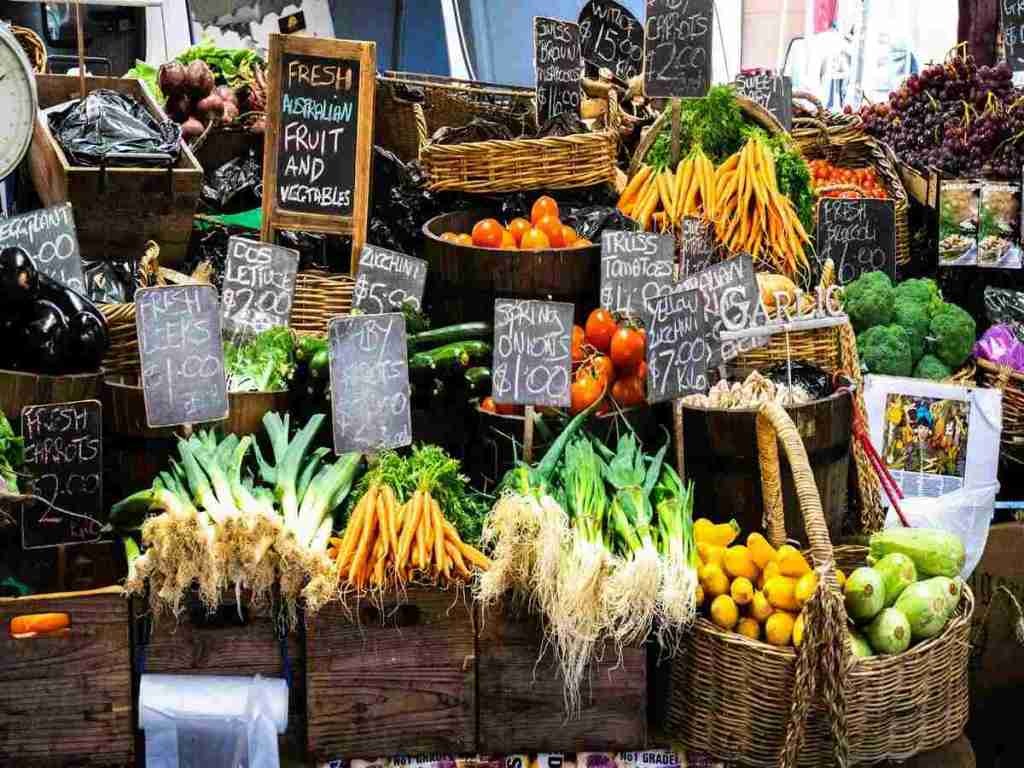
Retaliation by China, Canada, Mexico, Turkey, and members of the European Union to tariffs imposed by the Trump administration have taken a bite out of U.S. agricultural incomes. Tariffs on imports of steel and aluminum in the United States have also raised costs for machines, equipment, and structures used by the agriculture sector.
Agriculture incomes would have shown no growth in 2019 but for massive and unprecedented federal assistance. Even with this assistance, however, the agriculture sector shows signs of stress, with a rise in debt, a decrease in solvency, and an increased number of bankruptcies.
Many countries imposed retaliatory tariffs on United States agricultural exports in response to the Trump administration’s tariffs on their exports. Exports have been an important component of farm income, especially since 2005. In 2018, tariffs were imposed by China on almost all U.S. agricultural products; by Canada on prepared meats, fruits and vegetables, coffee, and whiskey; by Mexico on pork, prepared fruits and vegetables, cheese and vegetables; by the European Union (EU) on prepared vegetables and legumes, grains, fruit juice, peanut butter and whiskey; and by Turkey on tree nuts, rice, some prepared foods, whiskey and tobacco. Several of these tariffs have since been lifted as a result of ongoing negotiations. Canada and Mexico lifted retaliatory tariffs on the U.S. to clear the way for the ratification of the U.S.-Mexico-Canada Free Trade Agreement in May of 2019, as the U.S. also lifted its tariffs on steel and aluminum from Mexico and Canada.
In response to the U.S. imposition of tariffs by the Trump administration on Chinese imports, China responded with several waves of tariffs on U.S. exports to China, with tariff rates ranging from 2.5% to 25%. As China represents the U.S.’s largest agricultural export market, a large percentage of agricultural goods, including soybean and pork exports, faced tariffs. Other countries also retaliated against the U.S. for imposing Section 232 tariffs on steel and aluminum. Across all retaliatory tariffs, $30 billion in agricultural products were targeted, or about 22% of all retaliated goods.
A U.S. Department of Agriculture study found that retaliatory tariffs reduced U.S. agricultural exports by $27 billion from mid-2018 when the tariffs were imposed to the end of 2019. Soybeans accounted for the majority of the decline, at 71%, followed by sorghum and pork at 7% and 5% respectively. The losses were primarily concentrated in states exporting the products, such as Iowa, Illinois, and Kansas. In these three states alone, GDP losses totaled $3.8 billion through 2019. Altogether, the U.S. lost nearly $16 billion in trade with retaliatory countries due to these tariffs.
The trade war has failed to generate benefits for U.S. industries.
 Things we do for health