The protein market continues to present strong growth opportunities for the food industry. Projections suggest that the worldwide market for protein ingredients is set to grow to over 47.4 billion U.S. dollars by 2032, increasing massively from the 2021 figure of about 26 billion U.S. dollars. In 2022, JBS and Tyson Foods, Inc. were among the leading protein food companies worldwide. EBITDA of Tyson Foods, Inc. amounted to about 5.7 billion U.S. dollars that year.
The different protein sources available are as equally diverse as the variety of people demanding these protein products. Of course, different protein products provide different benefits, and the growth of each protein source provides some indication of the primary market drivers. Whey protein, for example, is a key source of protein for body-building and gym-exercise-targeted protein products. It is one of the most popular proteins as it can more easily be absorbed by the human body. This market is responsible for a large part of the projected plant-based protein market growth with the whey protein market set to grow to over 40 billion U.S. dollars in value by 2032.
As whey protein contains dairy, vegans and those with dietary restrictions must look for other sources of protein. Plant-based and soy proteins are the primary meat replacement source for those types of consumers. By 2022, retail sales of soy and vegetable proteins in the United States were forecasted to amount to about 871 and 178 million U.S. dollars respectively. For vegans, the preference towards plant-based and soy proteins allows the industry to kill two birds with one stone without involving any birds at all. The United States is a large part of the worldwide plant proteins market, reaching eight billion dollars in 2022.
The dominance of exercise-focused consumers over vegetarians in the industry is clearly outlined by the sales value of whey protein products. Additionally, over 60% of consumers in the United States said they generally try to consume protein, but generational differences remain. More than two-thirds of Baby Boomers (70%) reported a willingness to consume proteins, compared to 55% of Millennials and 58% of respondents in Generation X. Though no matter their willingness to consume protein, many consumers believe that protein products are the least likely to cause weight gain. In the future, protein products will remain an important part of the diets of American consumers, whether they are more focused on their dietary intake or fitness.
The history of the protein shakes

Protein shakes provide an invaluable way for trainees — particularly those looking to build lean muscle mass — to consume the requisite amount of protein for optimal performance. Whether you’re male or female, protein shakes can and should play a prominent role in your supplement routine. But it doesn’t have to be nearly so complex, particularly when you consider that this gym staple has been around since the 1950s.
Back then bodybuilding was still a very small subculture, and the first protein powder on the market was a product called Hi-Proteen. Made from soy flour, Hi-Proteen had a pretty rank taste that its maker attempted to mask with heaps of sweeteners. At this time virtually no research had been done on proteins and amino acids, but protein shakes were sold as a cheap source of raw, natural nutrients. Because the bodybuilding culture was still in its nascent stages and people weren’t hip to the marketing tactics, it was easy for retailers to gain profits without generating negative consumer feedback or skepticism.
In the 1960s, as the research picked up in quality and quantity, Rheo H. Blair released his famous Blair Protein Powder. This product was much better than earlier iterations, containing both egg and casein proteins that produced powerful results for bodybuilders who tried it. Although the bodybuilding industry continued to pick up steam in the 1970s, it wasn’t until the late 1980s and early 1990s that protein powder as a product really hit its stride.
Protein powder is a supplement that is now commonly used by professional athletes and people who are serious about training, to help them maintain the correct protein intake. Muscle is built from protein, so people looking to gain muscle size and/or strength will often aim to include more protein in their diet.
20 amino acids form the building blocks of muscle protein – nine essential and 11 non-essential. Within the essential amino acids are the three branched-chain amino acids (BCAAs) – leucine, isoleucine, and valine, which are particularly important for muscle building. Some protein powders contain all of them, and others don’t. Generally, animal sources of protein will be ‘complete’, containing all the essential amino acids, while plant sources are usually not complete.
Whey and casein protein powders are two different types that are both made from pasteurized milk. Enzymes are added to make the milk curdle. The solid part is then separated out and used to make cheese or casein, leaving the liquid whey behind, which may be spray-dried. It takes about 200 liters of milk to produce 1kg of whey protein powder and the same amount of milk can also produce about 6kg of casein protein powder.
Whey protein is digested quickly, while casein protein is slower to be absorbed by your body.
Both whey and casein contain all nine essential amino acids. Whey protein is often found in the best protein bars too.
What actually goes into the protein shake?
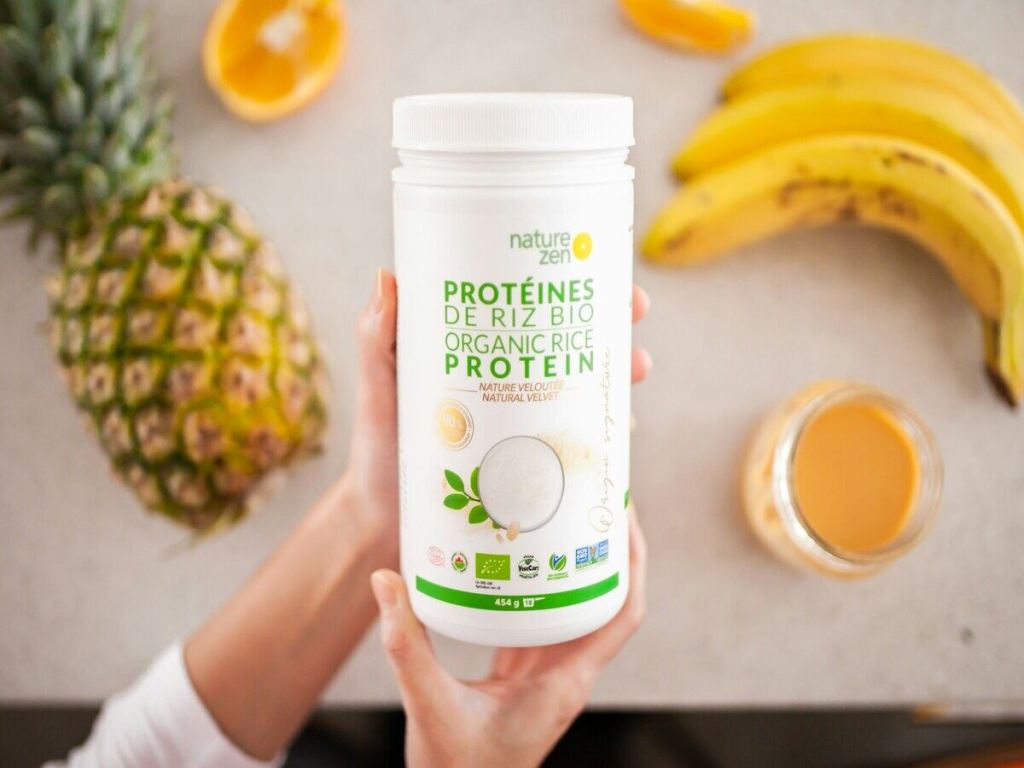
Protein shakes are made from powdered protein. This protein usually comes from eggs or milk, but it can also come from plants such as soybeans or rice. Ingredients such as vitamins and minerals, artificial flavoring, thickeners, and added sugar. In most cases, you’ll get 10-20 grams of protein in a scoop. You can make protein powder into a shake with just a bit of water or milk, or you can add it to your favorite smoothie.
Not everyone needs the extra protein that a protein shake can add to your diet. But protein shakes can help if you are not getting enough protein in your diet. You might benefit from drinking protein shakes if:
- You are starting a new workout regime or increasing the time or difficulty of your workout. You’ll need that extra protein to build muscle.
- You are still growing. Teenagers more likely need protein than the average adult.
- You are recovering from an injury.
- You eat a vegan or vegan or vegetarian diet. A plant-based protein powder can help you pack more protein into your diet.
From building muscle to losing weight, protein shakes can potentially benefit your body. But what about side effects? You might experience the following if you drink protein shakes.
- Gas, bloating, diarrhea, stomach cramps. This happens most often with whey protein powders. This can be related to a lactose intolerance. Switching to non-dairy protein powder can alleviate symptoms.
- Hives rash, swelling, and a runny/stuffy nose. Although rare, a cow’s milk allergy can cause a severe reaction. If you are allergic to cows’ milk, opt for non-dairy protein powder.
- Missing nutrients. When you substitute supplements for real foods, you will be missing out on the extra vitamins and nutrients you could get from whole foods. For example, if you substitute your morning scrambled eggs with a protein shake, you could be missing out on the additional health benefits eggs bring to the table.
- Protein powders can be high in added sugar and calories. Always check product labels so you know what you are eating.
- As a dietary supplement, protein powder manufacturers are left to regulate their products themselves. One research study found protein powders that contained heavy metals, pesticides and other contaminants.
Common additives that are listed as numbers in protein ingredients are soy lecithin (322), potassium lactate (326), and sorbitol (420). Many protein shakes on the market contain artificial sweeteners, flavors, and colors, which can be harmful to your health.
All shakes contain sweeteners to make them more palatable but quantity and quality matter. It’s not necessary to avoid ALL sugar but try to avoid amounts that will cause spikes and crashes (around 4 grams per serve). If sugar is listed in the first few ingredients of your shake, it’s likely to be more than 15g per 100g and should be avoided. Be on the lookout for sugar in disguise aka dextrose, fructose, glucose, sucrose, maltose, sucralose, and aspartame. Artificial sweeteners such as stevia and monk fruit can leave a bitter and metallic aftertaste.
Do protein shakes have a negative side?
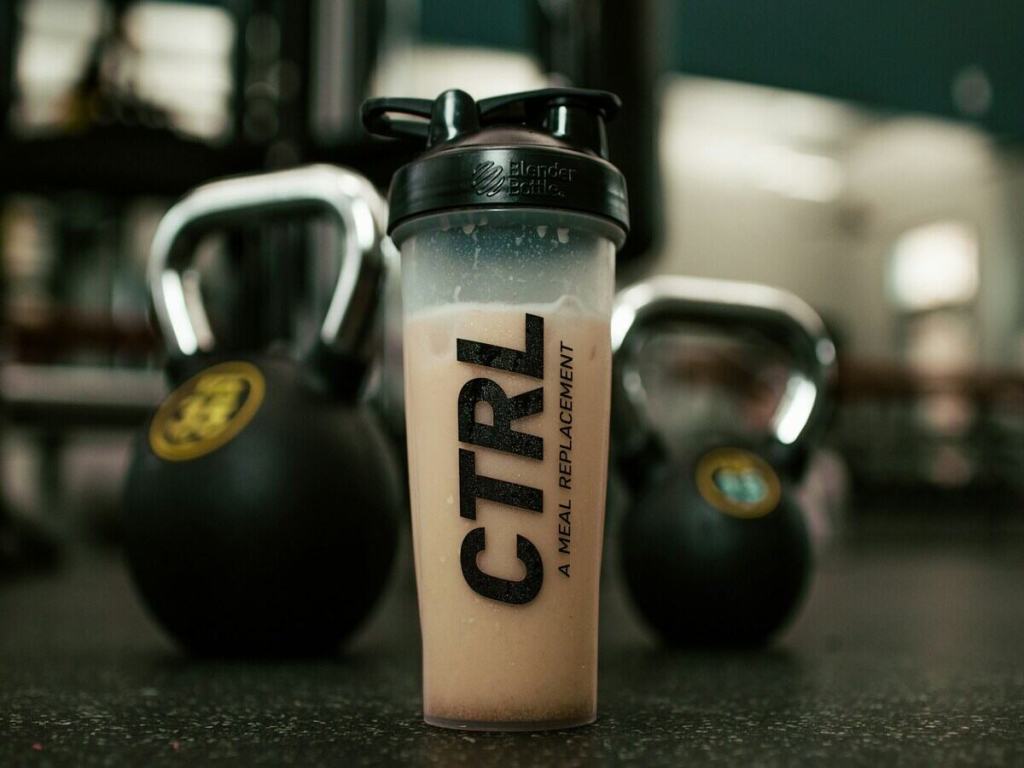
Protein shakes are made from protein powder that is derived from animal or plant-based sources. Because protein powders are supplements, they are not regulated by the FDA the way food and drugs are and can contain high levels of harmful chemicals like heavy metals, pesticides, and BPA.
Most people, whether sedentary or active, can meet their daily protein needs through diet alone without the need for protein shakes. For people with dietary or other eating restrictions, protein shakes can be a helpful way to add more protein and calories to your diet.
Even without harmful chemicals, protein powders often contain high amounts of sugar to improve their flavor. People with diabetes trying to manage their blood glucose levels should be cautious when consuming protein shakes and always check the amount of sugar in each serving.
Many protein powders are made with whey protein. Whey is a protein that is isolated from milk. People with allergies or sensitivities to dairy should not use whey-based protein powders. Other types of protein powders can be derived from plant-based sources, including soy, pea, and hemp, but the quality of protein in these processed protein powders tends to be poorer.
A new study shows that many of the top-selling powders and drinks may contain concerning levels of heavy metals such as arsenic, cadmium, mercury, and lead, and toxins like bisphenol A (BPA), a chemical found in some plastic containers and food can liners. These substances have been linked to cancer, brain damage, and reproductive issues. The new study from the Clean Label Project, (a nonprofit organization that examines labeling safety issues) found that virtually all of the 134 products tested contained detectable levels of at least one heavy metal, and 55% tested positive for BPA.
Overall, the products made from sources of plant protein such as soy or hemp fared worse than those made from whey (milk) or egg, containing on average twice as much lead and measurably higher amounts of other contaminants. Plant-based proteins may have higher contamination levels because the plants are especially prone to absorbing heavy metals from the soil. Whey and egg proteins may have lower levels of heavy metals because the source of the contamination would likely be the feed given to the animals. Buying a product with an “organic” label did not reduce the chances of getting a contaminated product. In fact, organic protein supplements had higher levels of heavy metals, on average, than nonorganic.
Additionally, supplements in general are only loosely regulated. Though they fall under the purview of the Food and Drug Administration, the agency classifies them differently from drugs. The companies that make and sell them aren’t required to prove that they’re safe, that they work as advertised, or even that their packages contain what the labels say they do.
Are there any health risks?
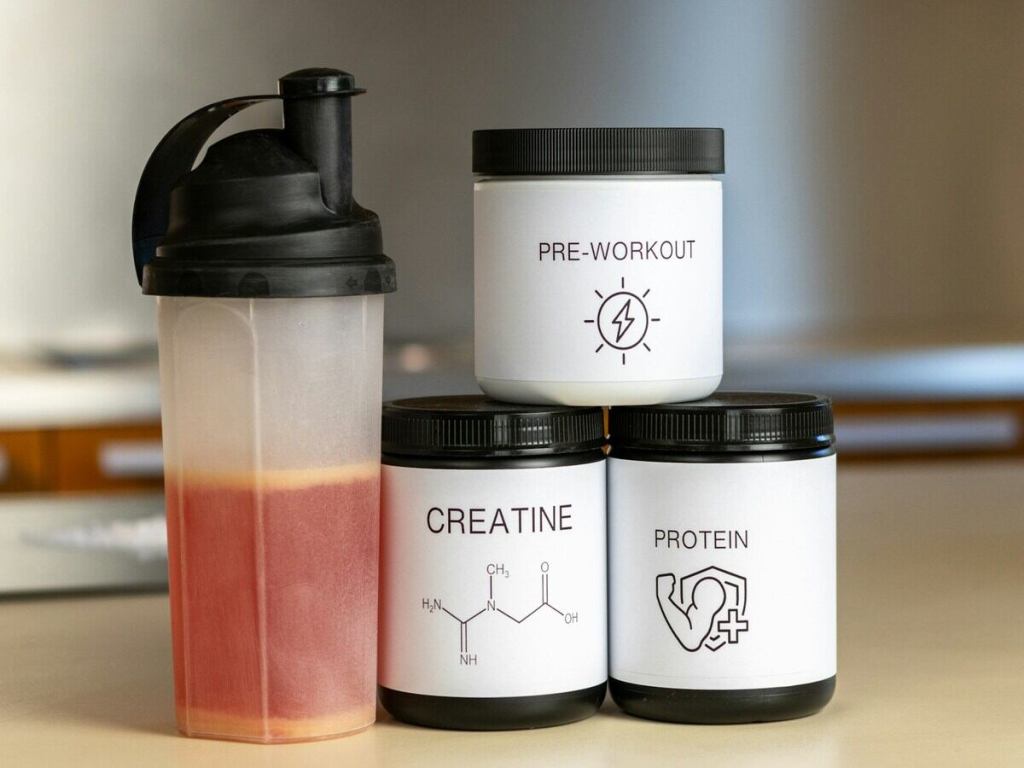
There are numerous risks to consider when using a protein powder. Among them:
- A protein powder is a dietary supplement. The FDA leaves it up to manufacturers to evaluate the safety and labeling of products. So, there’s no way to know if a protein powder contains what manufacturers claim.
- We don’t know the long-term effects. There is limited data on the possible side effects of high protein intake from supplements.
- It may cause digestive distress. People with dairy allergies or trouble digesting lactose [milk sugar] can experience gastrointestinal discomfort if they use a milk-based protein powder,
- It may be high in added sugars and calories. Some protein powders have little added sugar, and others have a lot (as much as 23 grams per scoop). Some protein powders wind up turning a glass of milk into a drink with more than 1,200 calories. The risk: weight gain and an unhealthy spike in blood sugar. The American Heart Association recommends a limit of 24 grams of added sugar per day for women and 36 grams for men.
As you look through the incredible and baffling selection of protein powders on the market, one of the many factors that you’re going to have to consider is flavor. Protein powders can be designed to taste like strawberries, cheesecake, plain old vanilla, and a host of other options. Convenience is the primary reason for choosing a flavored protein powder. If you want your protein shake to have a specific taste or just don’t enjoy the idea of a flavorless liquid snack, then a flavored protein powder would be an easy option.
When comparing and purchasing sports nutrition powders, consumers should pay close attention to the list of ingredients. Additives, such as caffeine, creatine, and sweeteners, are sometimes in these powders but are not mentioned in advertisements. When consumers are unaware of these additives, they can be especially harmful. For example, consuming several cups of coffee or tea throughout the day in addition to a protein powder that contains caffeine could have unpleasant side effects, including tremors, migraines, and insomnia. Creatine, a popular sports supplement, increases the amount of water in your muscle cells, leading to significant weight gain and putting you at a higher risk for dehydration, stomach pain, and muscle cramping. Creatine can be particularly dangerous for people with kidney or liver disease and has not been studied for safety in children or adolescents under the age of 18. In addition, the American Heart Association recommends a daily added sugar limit of 25 to 36 grams, but some protein powders have as much as 23 grams of added sugar per scoop. Others contain artificial sweeteners like sucralose or aspartame, which can be harmful in large quantities. For these reasons, consumers need to know exactly what is in their daily protein shakes and how it may affect their health.
 Things we do for health