The U.S. is in an obesity epidemic but at the same time, 1 out of 8 American households are facing food insecurity. Almost 15 to 20% of children and adolescents in the U.S. are obese but at the same time, some 11.6 million American households in 2022 with children under the age of 18 reported that they have sometimes or often didn’t have enough to eat during the week. How is it possible that the U.S. is facing the obesity crisis but at the same time malnutrition and food insecurity rates are increasing every year?
Stagnating wages, high costs of living, and inflation are causing people financial and economic hardships. The budget that people have to spend on food is becoming smaller each month because of the high cost of housing, child care, medical costs, utilities, and transportation. Healthy food, fruits and vegetables, whole grains, and meat proteins are increasing in price while the prices of ultra-processed foods are becoming cheaper and more available everywhere. Did it happen by chance or is there something that the food industry has done to increase their profits?
Is the food industry targeting low-income families to market their low-budget products? Are they taking advantage of the situation with low prices for products that have low or no nutritional values? Is this only the tip of the iceberg of what the food industry is doing to raise their profits and sell their products? Let’s see.
Help to create an obesity epidemic and then invest in weight loss products
The food industry didn’t want to start an obesity pandemic. They didn’t calculate that ultra-processed fast foods with added saturated fats, sugar, and more calories will make people gain more weight than they could lose. So when they saw the result and the obesity rates rising, they learned something. They saw a new opening in the market and jumped to exploit it. Looking back on it now what the food industry did wasn’t illegal, but it was seriously morally wrong.
Instead of sitting back and reevaluating the nutritional components of their products, they created even more brands. Pushed and marketed especially targeting children and youth. Placing play spaces in fast food restaurants, promoting their products using cartoon characters, offering free toys with their cereal boxes, and many other things. And when people started buying even more they invested all that extra profit into a new market. A completely different niche that will add so much more value to their shareholders.
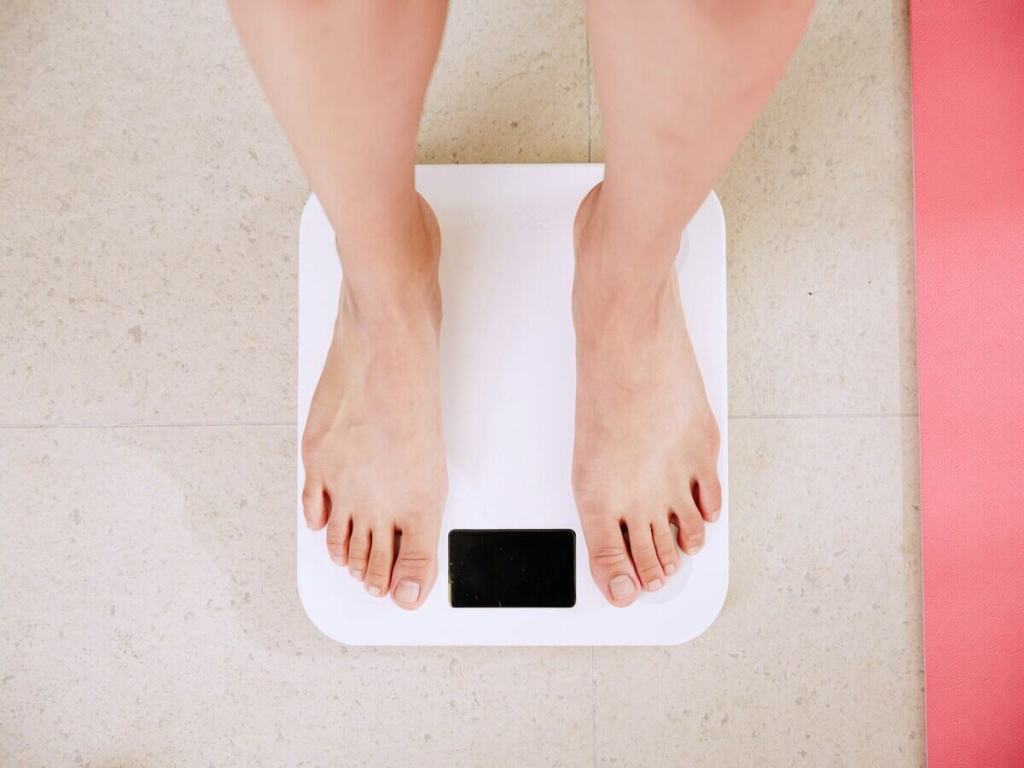
Weight Watchers
Weight Watchers International, Inc. is perhaps the most well-known name in the world of weight management programs. Its origins can be traced back to the early 1960s when a homemaker from Queens, New York, told her friends about her battle to lose unwanted pounds. A decade after introducing the Weight Watchers plan to the world, Nidetch and Lippert sold the company to H.J. Heinz in 1978. Weight Watchers became a wholly owned subsidiary of the Heinz Corporation.
Weight Watchers entered the 1980s posting small, but consistent, growth numbers. While the company remained the same, the public mentality had begun to change. “Skinny” was in and baby boomers were willing to pay big money for anything that would help melt the excess pounds and slow down the aging process. The diet industry as a whole was pulling in an estimated 3 billion dollars a year, and demand for services continued to grow. Market research conducted at the time showed that about 60% of all women considered themselves heavy or overweight.
Despite several changes in ownership, the company has maintained the same basic approach to weight loss for nearly 40 years. Artal Luxembourg S.A., a private European investment firm, purchased 80% of the company from H.J. Heinz Inc. in June 1999. The current corporate structure of the company includes several divisions: weight management, products, publishing, and packaged food. Artal Luxembourg controls the first three, while Heinz retained licensing rights to the latter.
SlimFast
SlimFast is an American company headquartered in Palm Beach Gardens, Florida, that markets an eponymous brand of shakes, bars, snacks, packaged meals, and other dietary supplement foods sold in the U.S., Canada, France, Germany, Iceland, Ireland, Latin America, and the U.K. SlimFast promotes diets and weight loss plans featuring its food products.
SlimFast was started in 1977 as a product line of the Thompson Medical Company, founded in the 1940s by S. Daniel Abraham. The product was rolled out nationwide in a marketing campaign that began on July 11, 1977, for “a fat-free, carbohydrate-free, animal-based fortified cherry-flavored protein supplement formula” that promised to make purchasers feel better, cleaner, stronger, and healthier.
Thompson Medical also sold the controversial weight loss dietary supplement Dexatrim. In 1987, Abraham took the brand private, and it was acquired by Unilever in 2000. SlimFast was originally just a diet shake product line. It consisted of chocolate, strawberry, and vanilla shakes meant to replace breakfast and lunch. The company suggested customers eat a low-calorie dinner. Usually, dieters would pick a low-calorie frozen dinner brand such as Lean Cuisine or Weight Watchers, as the SlimFast diet was a convenience product line that offered none of its dinner products. Later, in the mid-1990s, SlimFast began offering meal bars that could be used as meal replacements.
Jenny Craig
Nestlé, the Swiss food giant, has agreed to pay about $600 million for Jenny Craig, the weight loss company that has had a surprise turnaround in recent years as a result of an irreverent advertising campaign chronicling the slimming waistline of Kirstie Alley, of “Fat Actress” fame.
The deal is a bold gamble for Nestlé, which is known for KitKat bars and Nesquik but less for its role in the $30 billion weight-loss management industry. The deal is also a bet that consumers, for reasons of health and vanity, will continue trying to lose weight through prepackaged meals and motivational workshops, especially as the nation is fighting an escalating obesity epidemic.
Calling obesity a “major public health concern,” Nestlé’s chairman and chief executive, Peter Brabeck-Letmathe, said in a statement that the Jenny Craig purchase would help transform Nestlé into “a nutrition, health, and wellness company that sees weight management as a key competence.”
The acquisition is also part of Nestlé’s effort to expand in what is described as the “functional food” category through its Nestlé Nutrition unit, which makes PowerBars, baby foods, and a series of nutritionally enriched products for the elderly. Jenny Craig manufactures prepackaged meals that are sold exclusively through its weight loss centers.
The food industry paying influencers to promote their products
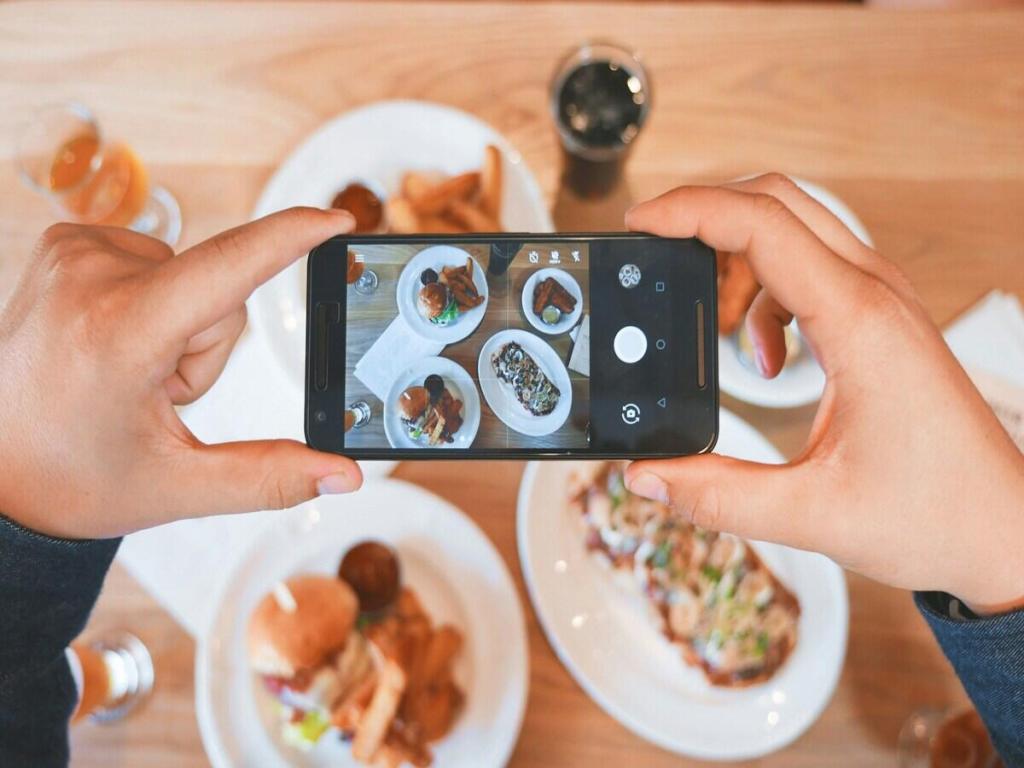
The Federal Trade Commission sent warning letters to two food and beverage trade associations and a dozen dietitians and social media health influencers for inadequately disclosing paid posts and who was paying them for posts promoting artificial sweeteners and sugary foods—a crackdown the FTC hopes sets a precedent across all influencer marketing.
The FTC’s letter to the American Beverage Association, a lobbying group that counts Coca-Cola, Lipton, and PepsiCo as members, and the Canadian Sugar Institute warned the two trade associations might violate the FTC Act for inadequately disclosing that they “apparently hired” influencers “to promote the safety of aspartame or the consumption of sugar-containing products.”
A dozen diet and health influencers from Instagram and TikTok received individual letters from the FTC addressing almost three dozen paid posts, including some disputing and downplaying a report from the World Health Organization on the dangers of aspartame and posts about craving sugary foods such as ice cream, that either did not disclose they were made as part of a partnership or contained inadequate disclosures of a paid partnership with the trade associations.
There’s been a steady uptick in influencer marketing and fast food chains as trends in social media involving junk food began to spread. From “ordering what the car in front of me ordered” to the explosion of mukbangs on TikTok, there are many different ways that influencers involve food in their content. Mukbangs, originating in South Korea in 2010, have become video content for influencers as it gives them the chance to “eat a meal” with their followers.
However, this phenomenon grew into people eating an inordinate amount of food in one sitting. It became a spectacle rather than a connection with the audience. This sort of content can encourage people to indulge in huge amounts of junk food.
Food bloggers and influencers are people who create content related to food and nutrition. They create recipes, review products, write articles, and post videos on the web. They may also partner with companies to promote their products or services.
These bloggers and influencers have a wide reach, with many of them having millions of followers on social media. This gives them the power to influence what is popular in the food industry and how people think about food.
Dunkin’ isn’t the only company promoting junk food on TikTok. Wendy’s TikTok presents teens praising their high-calorie, high-fat foods in its videos, and fans of the McDonald’s Travis Scott meal have created viral TikTok videos featuring themselves ordering in “Sicko Mode” at the chain’s drive-through. Arby’s is surprisingly more popular than Burger King on TikTok, with more than 600,000 followers, having taken advantage of a viral video that resulted in a new Arby’s menu item.
Doritos has capitalized both on nostalgia and on the power of TikTok challenges, with their 1998 commercial star Ali Landry challenging creators to catch the snack food in their mouths in daring ways. Numerous smaller brands, including F’Real milkshakes, My Cookie Dough, and Nutter Butter are succeeding in garnering huge audiences and extensive engagement on the platform.
American teens are already facing nutritional deficits and an obesity epidemic. According to various studies, adolescents fail to meet the majority of dietary recommendations and suffer from increased consumption of sugar-sweetened beverages, fast food, and calorie-dense, nutrient-poor snacks. Tastes formed from childhood through the teenage years often persist into adulthood, cementing preferences for junk food, and resulting in high rates of obesity, heart disease, and diabetes.
Increase in the portion size and calories
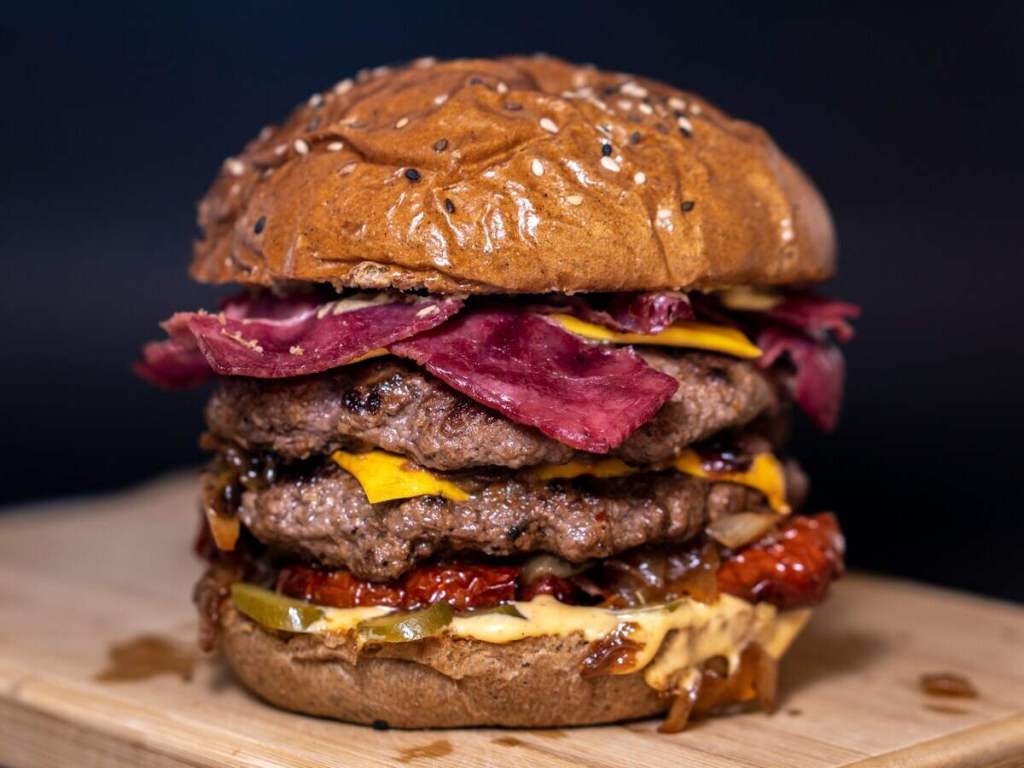
The calorie content at the most popular U.S. fast food restaurants has shot up over the past three decades. Researchers found that, on average, the calorie content of entrees went up by 30 calories a decade, while the calorie content of desserts went up by 62 calories a decade. Menu items also had a major increase in sodium content – about a 4.6% daily value increase per decade for entrees, the study said.
Despite the vast number of choices offered at fast food restaurants, some of which are healthier than others, the calories, portion sizes, and sodium content overall have worsened (increased) over time and remain high. Portion sizes for both entrees and desserts increased from decade to decade. The portion size of entrees went up by about 13 grams a decade, while desserts got 24 grams larger. The size of the side dishes remained the same.
Between 1977 and 1996, food portion sizes increased both inside and outside the home for all categories except pizza, Hamburgers have expanded by 23%; A plate of Mexican food is 27% bigger; Soft drinks increased in size by 52%; Snacks, whether they be potato chips, pretzels or crackers, are 60% larger.
With an increase in meals purchased away from home, consumers are likely being exposed to larger portions. Studies of food portions offered at fast food outlets, chain restaurants, and convenience stores indicate that portion sizes of many items have increased. According to Nestle, this trend began in the U.S. as early as the 1970s, with portion sizes increasing sharply in the 1980s and continuing to rise. Data from Denmark show similar trends. The growth of portion sizes has been most evident in fast food restaurants where the “supersizing” of some menu items is relatively common. Items available at fast food restaurants are estimated to be 2 to 5 times larger than 2 decades ago. In general, food packaging and common portion sizes of popular dishes are 25% larger in the U.S. than in France where rates of obesity are lower. With the availability of many foods in larger sizes, it is not surprising that epidemiological studies indicate people are consuming larger portions of food.
Eating out has become more common in part due to higher incomes, more 2-income households, and growth in the restaurant industry. Pricing influences consumers’ food purchases, suggesting that the rise in portion size is partially attributable to consumer demand for economic value. As a result, many restaurants are providing large portions at a low cost per unit as a marketing strategy. This is possible because food cost is only a small percentage of the cost of a meal and because agricultural subsidies have helped to reduce the cost of some foods and commodities, such as vegetable oil and sugar, which have become very inexpensive.
There is increasing evidence that excessive food portions, particularly of energy-dense foods, contribute to the overconsumption of energy. Telling people to simply “eat less” is not likely to be an effective solution, because it is not just large portion sizes that increase energy intake, but rather large portions of energy-dense foods. Large portions of foods low in energy density such as vegetables, fruits, and broth-based soups can aid weight management by providing satisfying portions with few calories. There is a need to deliver effective educational messages that combine the principles of portion size and energy density. The development and intensive marketing of appealing, low-energy-dense foods can help create an environment in which consumers are better able to maintain a healthy weight. Successful strategies will not only require cooperation among the food and restaurant industries, policymakers, and scientists but will also require consumers to understand and accept the importance of eating reasonable food portions for better health.
 Things we do for health