Avocado is a stone fruit with a creamy texture that grows in tropical climates. In comparison to other fruits, which primarily consist of carbohydrates, the avocado fruit has a unique consistency due to its high content of healthy fats. Mexico and the US are the largest avocado consumers in the world. While Mexico is also the largest producer and exporter, the US mainly imports avocados from Mexico and partly exports its avocados to neighboring Canada. Even though the fruit was introduced to the consumer market some time ago, it has recently become incredibly popular among Americans. The retail sales of avocados in the United States amounted to 1.96 billion U.S. dollars in 2021 but increased to 2.7 billion U.S. dollars in 2022. Avocado was previously one of the leading product categories in the fresh department of the United States and has recently grown in sales, with about 7.7 percent in 2022.
When seeing all these numbers it’s not difficult to conclude that there is a huge market for avocados in the U.S. They import almost 90% of the avocados sold in the United States and the demand for them is growing each year. So it is not a surprise that there is a lot of money to be made in growing and exporting this green gold. There is a long way from the avocado farms in Mexico to finding them in American grocery stores and the distribution channels may be part of the problem.
What makes avocado so special?
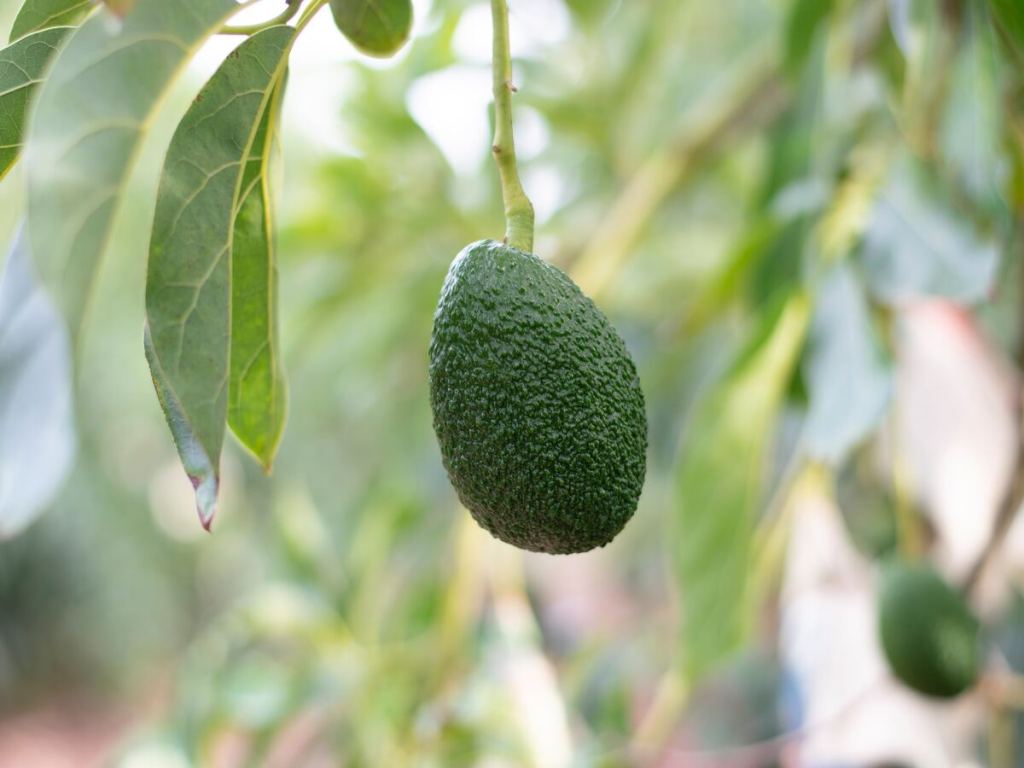
The avocado, also known as Persea americana, is a powerhouse superfood. Avocados contain healthy fats, anti-aging, disease-fighting antioxidants, and nearly 20 vitamins and minerals.
Regular avocado eaters have higher intakes of fiber, vitamins E and K, magnesium, and potassium than those who don’t eat avocados. Just one avocado provides 40% of the Daily Value (DV) of folate, 30% of the DV for vitamin K, and over 20% of the daily value vitamin C. Avocados also contain many minerals. Nearly 30% of the daily value of potassium and almost 20% of the daily value of magnesium, a mineral essential for structural and chemical reactions in the human body, is in this fruit.
Avocado is rich in a phytochemical called lutein—a pigment related to beta carotene and vitamin A. You may know lutein as one of the two major carotenoids found in the eye. The other place lutein is found in the brain. In older adults, eating one avocado a day for six months improved performance on memory tests. However, taking a lutein supplement did not give the same results, so something in the avocado improved brain function.
Avocados are native to Mexico and Central America but are now grown in many different regions across the globe. They take a significant amount of resources to cultivate since an avocado tree takes between three and five years before it begins bearing fruit. Over 248 thousand hectares of avocado trees were planted in Mexico as of 2021, up from 168.11 thousand hectares in 2013.
What are blood avocados?
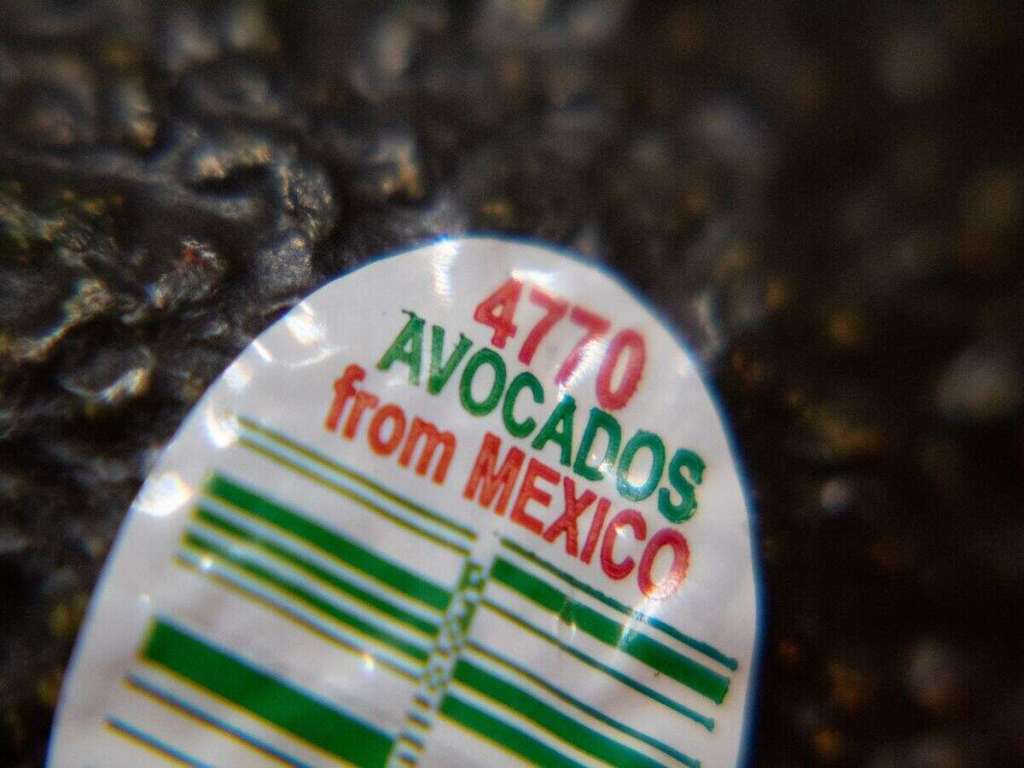
Blood avocados, like blood diamonds, fall into a category of goods known as conflict commodities. Conflict commodities are natural resources that are sourced from areas or regions experiencing conflicts, and human rights are abused in the procurement of the said commodity. Conflict commodities are commonly referred to as “blood (commodity name)”.
In 1914, the United States government banned the import of avocados from Mexico due to fear of crop infestations. Eventually, with California farmers not being able to meet avocado consumer demands and the signing of the North American Free Trade Agreement (NAFTA) in 1994, the US lifted this ban in 1997.
The US authorized the importation of avocados solely from the Mexican state of Michoacán, as it was identified to have avocado farms free of pest infestations. Since the importation of avocados from Michoacán started, the Avocado Institute of Mexico reports that US per capita consumption of avocados increased from 1.5 pounds a year in 1998 to 7.5 pounds a year in 2017. Although Mexico produces 45% of the world’s avocados, it was reported in 2016 that 80% of avocado consumption in the US came from Mexico, specifically Michoacán.
The profitability of the avocado trade drew the attention of organized crime in Mexico, especially the drug cartels. They saw an opportunity to make more money in exporting avocados to the U.S. than from smuggling drugs. The only setback was they didn’t own any avocado farms. The tree takes almost 5 years to bear fruit and they didn’t want to wait that long. So they started blackmailing and extorting avocado farmers.
The Michoacán region is largely controlled by Caballeros Templarios, a drug cartel that enforces its own rules and dominance over the industry. They are known to demand farmers and landowners to give up a substantial percentage of their income, enforce a tax on avocados sold, and even kill workers and family members who refuse to play along – displaying their bodies as a threat to others.
Last year, seven members of the same family were murdered in the area by the cartel. The term ‘blood avocados’ is becoming widely used as a reference to the similar savagery of ‘blood diamonds’. While there are some farmers free or cartel rule and able to maintain fair trade, the cartel is thought to make $150 million each year from the industry and controls 10% of all farms in the area.
The spread of the conflict
Organized crime did not stop by making a profit off of avocado farmers. They are also targeting avocado processing plants. To further make more money on avocado production and export processing plants have been taken over by organized crime in Mexico. They then pack blood avocados which they take from farmers and distribute them all over the world.
Some of the farmers resorted to creating their police. By buying weapons and training people on how to use them they are defending their land and communities from drug cartels. There are conflicts in the avocado-growing areas where people are killed, threatened, and even kidnapped because they don’t want to accept paying the organized crime lords. The government in Mexico is doing very little to combat this situation which is happening even to this day.
This situation has led some towns in the Michoacán state to take up arms to protect themselves (famous among them is the avocado police in Tancitaro, made up of civilians who ward off cartels and criminal gangs). The extortion and intimidation of avocado farmers and producers in Michoacán have resulted in conditions where human rights are abused for the avocados to be consumed.
What is the solution?

The truth of the matter is that American consumers are not sensitive about where their food is coming from. We have all been informed that coffee is grown in poor countries with slave labor, and cocoa beans come from child labor so avocados are not much different. Maybe the fact that all these things are happening in other countries and not the U.S. gives them a sense of not being their problem. As long as the food continues to be placed in grocery stores people will buy it. They think it is not the responsibility of the consumer to think about the morality and the human rights violations that are happening somewhere else.
So should we stop buying avocados altogether? If you think that most of the avocado production in Mexico is concentrated in one area we can imagine how many farmers and families would be affected by the sudden ban. It wouldn’t hurt the cartels because they would surely find a way to market their green gold to other countries if the U.S. proves more difficult. What needs to be in place are more steps to further protect the farmers and give consumers a broader choice of where their fruit is coming from. The U.S. should accept avocados from other areas in Mexico which would make it harder for the cartels to control. They should also look for other countries from where they could safely source the fruit without any human rights violations.
There should also be a fair trade certificate or at least no conflict certificate available for farmers who are not part of the drug cartels then the choice would be on the consumers if they want to purchase them. The solution would not be easy but the avocado production and export needs to be more regulated. I strongly believe that American consumers don’t want to fund the drug cartels but for now, they don’t know where their money is going when they purchase the product. There is also an environmental concern connected to farming avocados. Farmers often cut forests to plant more trees and avocado trees require large amounts of water resources. All the more reasons why there should be labels and information on each fruit to inform us where is the fruit coming from, from which farm, and the politics of these farms. Maybe we can’t fight the situation in Mexico. But putting our money into the right hands will be a major part of the solution. Because if the drug cartels stop making money from avocado trade then the pressure on the farmers would fortunately be less.
 Things we do for health