I think every adult person on the planet has heard of Monsanto at least once in their lives. They keep coming up in the public with many scandals and court cases. This is a company that has been involved in many spheres of life. From producing industrial and commercial chemicals, herbicides, genetically modified seeds, artificial hormones, and many more. And in each step of the way they have been called out, accused of environmental damage, danger to public health, pollution, and many other things. For decades, the company once known as Monsanto has dominated U.S. agriculture. Famous for its Roundup Ready system—which consists of the herbicide Roundup, made with glyphosate, and seeds genetically modified to resist it—the global corporation became the largest seller of seeds in the world by the 1990s. Fast forward nearly 30 years, and Bayer, the German pharmaceutical company that bought Monsanto in 2018, now faces several high-profile lawsuits related to glyphosate’s cancer-causing potential as well as the failures of the Roundup system.
When you have a company that makes so much money, possesses the best legal resources, and will stop to nothing to further their agenda it is difficult to stay safe. Things have been changing for Monsanto in the last decade. But what has not changed is their corporate culture, their willingness to sacrifice lives to make money, and not taking any accountability for the dangers they put us and our planet in. They may have changed their name but they have not changed their way of doing business. The history of Monsanto is a long one. Not all of it is easy to find. For a company that has been in business since 1901, you would imagine there would be more information available. But Monsanto doesn’t want people to know much about them. And what you can find in the public records online and offline is truly disturbing. As of 2017, they have employed more than 25,000 people with their headquarters in St. Louis, Missouri.
Back to beginning
Monsanto has a long and storied history, which began in 1901 when it was founded by John F. Queeny to manufacture saccharin, the synthetic sweetener. He named the company his wife’s maiden name, Monsanto (Olga Monsanto Queeny).
Within a few years, Monsanto added vanillin and caffeine to its product line and added Coca-Cola as a major customer. Its sales reached $1 million in 1915. In 1917, Monsanto began to produce aspirin.
Monsanto continued to expand its product portfolio throughout the 1920s and 30s, adding in chemicals such as sulfuric acid and polychlorinated biphenyls (PCBs), which were used in electrical equipment as well as other products. PCBs were later found to pose serious health risks to fetuses and children and were banned in the U.S. in 1979, two years after Monsanto stopped producing them.
John Queeny gave control of the company to his son, Edgar, in 1928. In 1933, it incorporated Monsanto Chemical Company and added styrene to its list of products, which is a liquid used to make synthetic rubber, latex, and fiberglass, among other things. It developed “All” laundry detergent in the 40s, and sold it to Lever Brothers in 1957. In 1954, it partnered with Bayer, the German chemical company, to market polyurethanes in the U.S. Edgar retired in 1960.
In 1964, the company again changed its name, to Monsanto Company, perhaps as a nod to its founding of an agricultural division as well as the fact that it was diversifying in many other ways. Its agricultural division focused on herbicides, including being one of the companies that produced so-called Agent Orange, the controversial and powerful herbicide used by U.S. military forces during the Vietnam War. Agent Orange was later linked to cancer and other serious health problems. The company also invented and produced many other products during the 60s and 70s, including products with medical applications and a process for making acetic acid, as well as AstroTurf.
It was during the 1970s that Monsanto developed Roundup, its glyphosate-based herbicide, and Monsanto also became a major producer of genetically engineered crops during that time, as well.
In 1985, Monsanto purchased G.D. Searle & Company, maker of the artificial sweetener NutraSweet, which it sold in 2000 along with its other artificial sweetener businesses.
During the 1990s, Monsanto purchased several biotechnology firms, including Calgene Inc. and Dekalb Genetics Corporation, cementing it as the leader in the development and production of genetically modified crop seeds.
Monsanto further diversified, including commercially producing a synthetic hormone for cows to increase milk production (BST), which it sold to Eli Lily in 2008.
In 2000, Monsanto merged with Pharmacia & Upjohn, renaming it Pharmacia and, later Pharmacia Corporation.
By 2002, Monsanto was a publically traded company, with its primary businesses in agriculture and biotechnology. It acquired several seed and software companies during the early 2000s.
In 2016, it was announced that Bayer, the German pharmaceutical company, had made a deal to purchase Monsanto for $66 billion. That deal was finalized in 2018, and Bayer announced the company would continue under the Bayer name.
Monsanto & PCBs
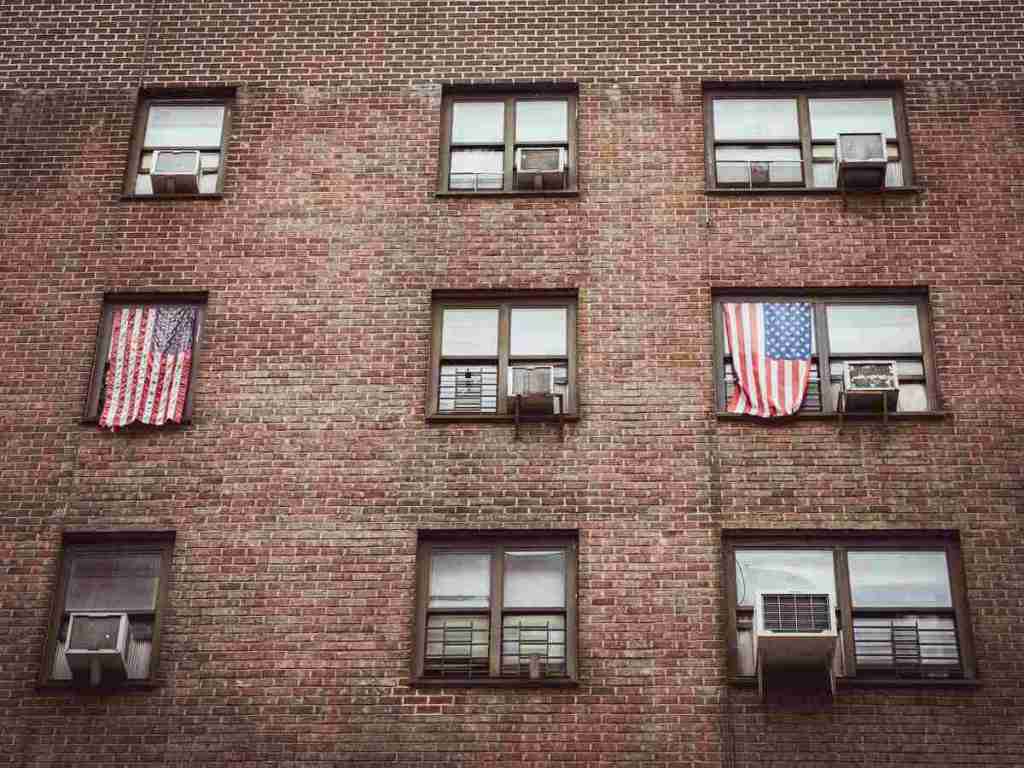
PCBs, or polychlorinated biphenyls, are long-lived man-made organic compounds that were widely banned in 1979 after being linked to health risks in humans and to environmental harm. From the late 1920s until their ban they were used as coolants and lubricators in electrical equipment, and were found in many products including refrigerators, paint, and flame retardants. Some PCBs persist in the environment today as their relative stability lengthens the time it takes them to biodegrade, and they can accumulate in the food chain. The biggest manufacturer of PCBs was Monsanto, which marketed them as Aroclor until 1977.
PCB chemicals were banned in the U.S. in 1979 because these chemicals harm human and environmental health. From the 1920s until their ban, an estimated 1.5 billion pounds of PCBs were made for things such as microscope oils, electrical insulators, capacitors, and electric appliances such as television sets or refrigerators. PCBs were also sprayed on dirt roads to keep the dust down before knowing some of the unintended consequences of widespread use.
Before the ban in 1979, PCBs entered the air, water, and soil during manufacture and use. Wastes from the manufacturing process that contained PCBs were often placed in dump sites or landfills. Occasionally, accidental spills and leaks from these facilities or transformer fires could result in PCBs entering the environment.
PCBs can be found worldwide. In the 1960s, when initial research results were released, traces of PCBs could be detected in people and animals around the world – not only in heavily populated areas such as New York City but also in remote areas as far as the Arctic. These findings of such widespread and persistent contamination contributed to the banning of the chemical in 1979.
PCBs can degrade or break in the environment, but the process greatly depends on the chemical makeup of the PCBs. The degrading process also depends on where the PCBs are in the environment. Typically, PCBs are either broken down in the environment by sunlight or by microorganisms. Sunlight plays an important role in the breakdown of PCBs when they are in the air, shallow water, or surface soils. Microorganisms, such as bacteria, algae, or fungi, biodegrade PCBs when found in soil or sediments.
Because PCBs exist in sediments, scientists need to determine if it is better to dredge and remove contaminated sediments from waterways or if it is safer to leave the sediments in place and cover them with clean sediments, allowing them to naturally biodegrade. A cap or barrier can also be placed over contaminated sediments to prevent them from entering the environment. There are environmental, human health, and financial concerns with all of these alternatives.
From 1929 to 1971, polychlorinated biphenyls (PCBs) were manufactured at an industrial facility formerly owned and operated by the Swann Chemical Company (1929-1935) and after 1935 by Monsanto Chemical Corporation in Anniston, Alabama. Releases of PCBs into the air and water by volatilization, deposition into landfills, and migration into surface water led to substantial environmental contamination, human exposure, community health concerns, and ultimately litigation and settlement in state and federal court. The chemical plant continued to produce other chemicals and was owned and operated by Solutia, Inc., since 1997. It was recently acquired by Eastman Chemical Company. Before 1971, when Monsanto ceased manufacture of PCBs in Anniston, there were no federal or state regulations governing the manufacture, sale, distribution, or disposal of PCBs.
The Attorney General’s complaint alleges that PCBs – polychlorinated biphenyls – are toxic and dangerous chemical compounds that were manufactured, marketed, sold, and distributed by Monsanto in the United States from approximately 1929 to 1977. During that period, Monsanto was responsible for the manufacture of 99 percent or more of all PCBs used or sold within the United States. When it manufactured and sold PCBs, Monsanto knew with substantial certainty that PCBs were highly toxic and harmful to human health and the environment and that they would leach and escape into the environment and indoor air. Nonetheless, Monsanto sold its PCB products for use in paints, caulks, inks, dyes, paper products, lubricants, sealants, plasticizers, coolants, hydraulic fluids, fireproofing, and industrial electrical equipment such as capacitors and transformers, among other applications.
Although PCBs were banned in the late 1970s, they are highly persistent and continue to circulate in the State’s waters and other natural resources, especially Lake Champlain. In 2021, the Vermont Legislature passed Act 74 requiring all schools built or renovated before 1980 to test their indoor air for PCBs. Testing in schools began in spring 2022 and it is expected that the testing will be completed by July 2025 by the Agency of Natural Resources’ Department of Environmental Conservation.
Monsanto & Agent Orange
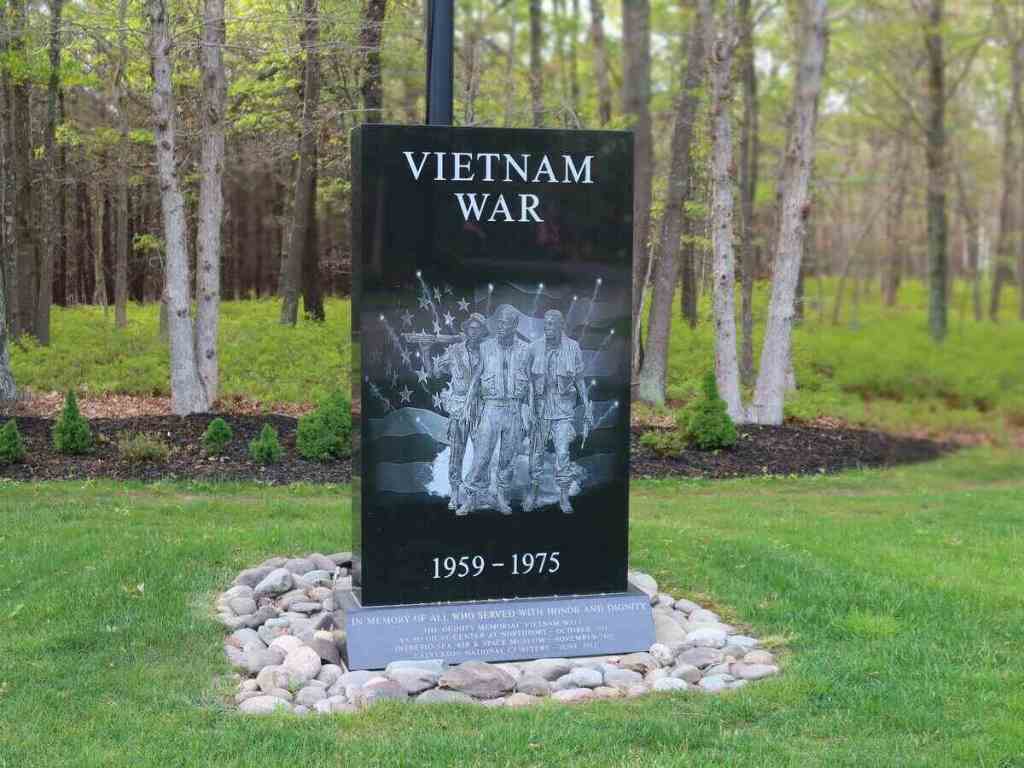
Agent Orange was a herbicide mixture used by the U.S. military during the Vietnam War. Much of it contained a dangerous chemical contaminant called dioxin. Production of Agent Orange ended in the 1970s and is no longer in use. The dioxin contaminant however continues to have a harmful impact today. As many U.S.Vietnam-era veterans know, dioxin is a highly toxic and persistent organic pollutant linked to cancers, diabetes, birth defects, and other disabilities.
The Red Cross estimates that three million Vietnamese have been affected by dioxin, including at least 150,000 children born with serious birth defects. Millions of Americans and Vietnamese are still affected, directly and indirectly, by the wartime U.S. spraying of Agent Orange and other herbicides over southern and central Vietnam.
Agent Orange was sprayed at up to 20 times the concentration the manufacturers recommended for killing plants. It defoliated millions of acres of forests and farmland. Large tracts of that land remain degraded and unproductive to this day. The chemical dioxin in Agent Orange can remain toxic in the soil for decades. Soil samples have now been analyzed from both the areas that were heavily sprayed and the former American military bases where Agent Orange and other chemicals were stored and handled. In almost all instances measured dioxin levels were below the Government of Vietnam threshold standards. However, some soils at three of the former military bases did have very high concentrations of dioxin. To prevent dioxin from entering the food chain and affecting both adults and children in surrounding areas, these chemical “hot spots” are now being cleaned up.
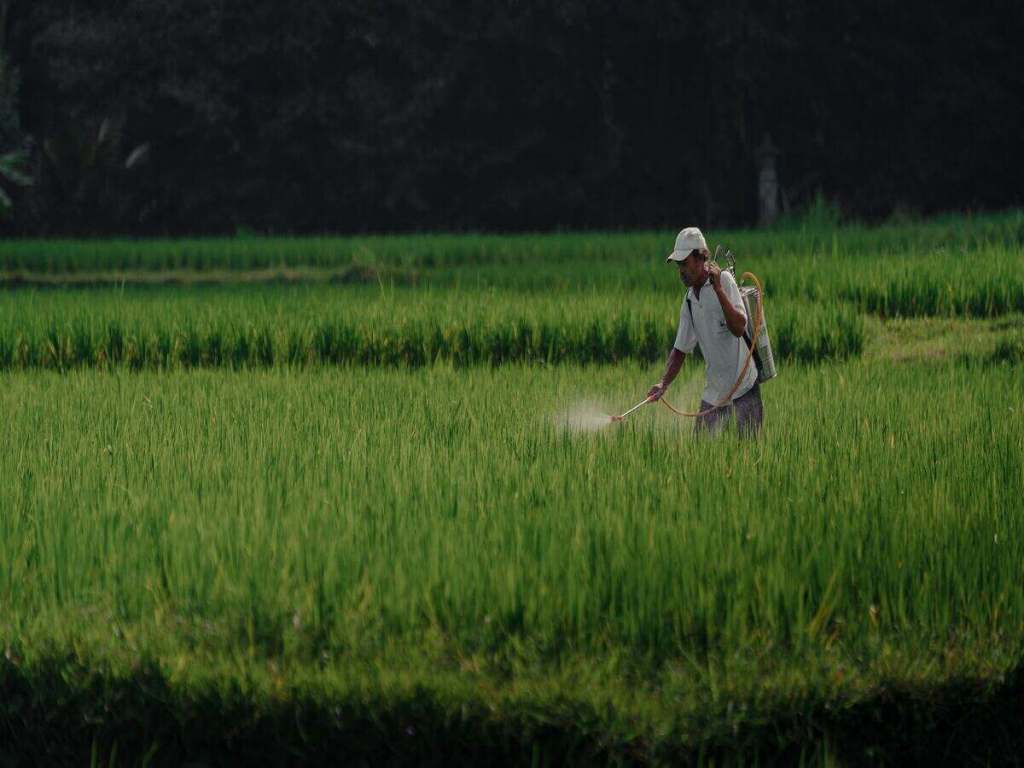
After its use in the 1960s, Agent Orange was banned by the U.S. in 1971, and remaining stocks were taken from Vietnam and the U.S. to Johnston Atoll, a U.S.-controlled island about 700 miles SE of Hawaii, where it was destroyed in 1978. There is no ‘Agent Orange’ in Vietnam or anywhere else today.
From 1965 to 1969, the former Monsanto Company manufactured Agent Orange for the U.S. military as a wartime government contractor. The current Monsanto Company has maintained no responsibility for this product since they were spun off as a separate, independent agricultural company in 2002. From 1965 to 1969, the former Monsanto Company was one of nine wartime government contractors that manufactured Agent Orange. The government set the specifications for making Agent Orange and determined when, where, and how it was used. Agent Orange was only produced for and used by, the government. The governments that were involved most often take responsibility for resolving any consequences of the Vietnam War, including any relating to the use of Agent Orange. U.S. courts have determined that wartime contractors (such as the former Monsanto) who produced Agent Orange for the government are not responsible for damage claims associated with the chemistry. Some governments have decided to provide certain medical benefits to veterans and their families even though there has not been a determination that an individual’s health problem was caused by Agent Orange.
As part of the United States and allied forces’ war efforts in the jungles of southern Vietnam, the U.S. military developed and used several military (tactical) herbicides, one of which was Agent Orange. Agent Orange was used to aid U.S. and allied troops by stripping away dense foliage that could conceal enemy combatants.
During the war, Dow, Monsanto, and other companies were compelled by the U.S. government to produce Agent Orange under the U.S. Defense Production Act of 1950. The government strictly controlled the transport, storage, use, and specifications to which Agent Orange was to be manufactured exclusively for the military.
The U.S. courts have consistently ruled that Dow and the other manufacturers bear no responsibility for the development and use of Agent Orange during the Vietnam War, and have dismissed all legal claims to the contrary. Moreover, decades of study relating to Agent Orange have not established a causal link to any diseases, birth defects, or other transgenerational effects. Notably, the extensive epidemiological study of veterans who were most exposed to Agent Orange does not show that such exposure causes cancer or other serious illnesses.
In 1979, veterans of the Vietnam War filed a class action lawsuit against Monsanto to secure a $40 billion trust fund to compensate the veterans for cancer, miscarriages, and birth defects they claimed were caused by exposure to Monsanto’s product Agent Orange. Five years later, these Vietnam veterans received only a small fraction of this amount in the form of a $180 million fund from a conglomerate of chemical companies that produced Agent Orange including Monsanto.
In response to the 1979 class action lawsuit, Monsanto denied and discredited scientific evidence, government reports, and testimonial accounts of the toxicity of Agent Orange. The document highlighted offers a glimpse into the ways Monsanto evaded responsibility for producing approximately 3.8 million gallons of the highly toxic substance Agent Orange.
In a transcribed Q and A on Agent Orange that took place in 1982, representatives from Monsanto dodged nearly every question regarding the high toxicity of Agent Orange contaminated with dioxin. To begin questioning, Monsanto representatives were asked about a government document that proves a sample from Agent Orange supplied by Monsanto was highly contaminated with dioxins. In the following responses, Monsanto states: “At this time, we don’t have sufficient information to draw any conclusions from the document…Because we lack crucial information on how the Agent Orange allegedly produced by Monsanto was identified and analyzed it would be inappropriate to draw any conclusions based on the information contained in the government document.”
 Things we do for health