Today Nestle is the biggest food company in the world. Even after years of controversial tactics. No one can deny that the international need for water, formula milk, and even chocolate is essential. But they have done a pretty good job of keeping their past under wraps. So people are still buying products from their almost 2000 different brands. Nestle operates in 190 countries, employs almost 300,000 people, and has 376 factories worldwide.
So what is the story behind this international company? Why do we hear about accusations, boycotting, false marketing tactics, and greed? What is it about Nestle that always raises issues and discussions? Let’s look into the origins and progress of this particular company. It goes from being the inventor of the first formula milk alternatives to becoming the cause of death of hundreds of babies. It involves child slavery and forced labor, draining the water supplies of vulnerable communities in the name of profit, being involved in famine crises in Africa and so many other things that we don’t really know about. Now if you go to any food store it’s very difficult to find a product that is not produced by this international food conglomerate. Which makes it even harder to avoid their products.
The founder Henri Nestle
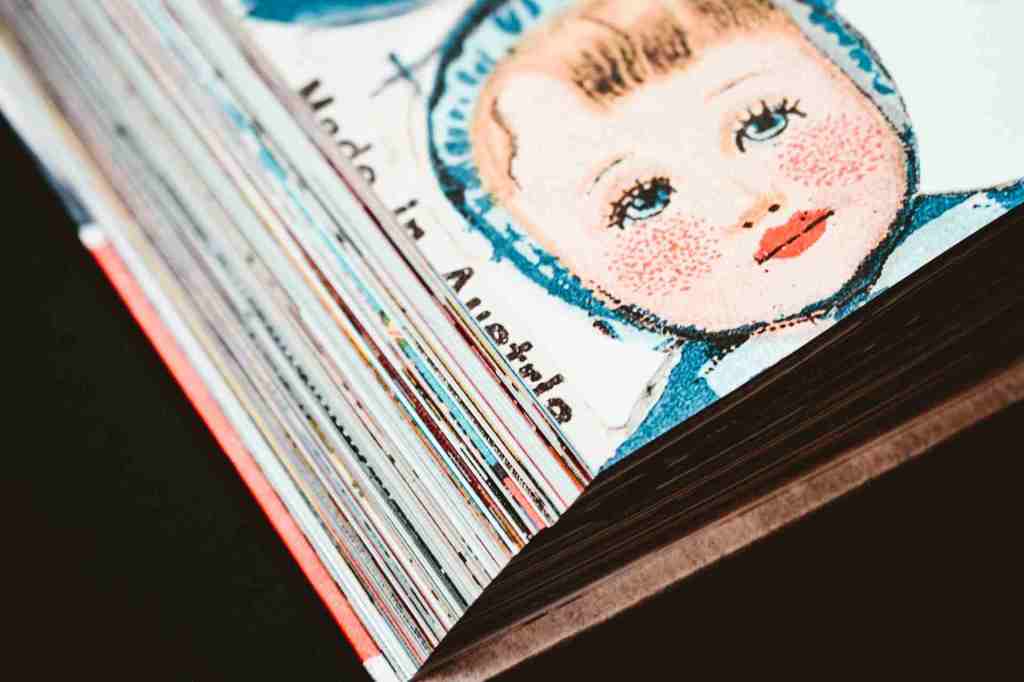
Henri Nestle was born on August 10th, 1814. The place of birth was Frankfurt, Germany. His parents were Anna Maria Catharina Ehemann and Johann Ulrich Mathias Nestle. There were fourteen children in total in Nestle’s household, and Henri was the eleventh child.
Nestle’s father, Johan, was in charge of the family business that he inherited from his father. He was a glazier, responsible for removing, installing, and cutting the glass, and it turned out that the business provided a good source of income for the family. As a matter of fact, the Nestle family has a big family tree and the profession of glazier has been passed from father to son for generations. However, Henri wanted to become a pharmacist. At that time you didn’t have to go to university to become a pharmacist. You usually do it by training and academic courses. In 1839 he became a pharmacist assistant after moving to Switzerland.
He started the manufacturing process of some products, such as vinegar and fruit brandies. He even bought the vineyards to produce grapes and use them in the process of vinegar making.
Henri Nestle got married at the age of forty-six in 1860. By that time, his economic situation was good. His wife was Anna Clementine Therese Ehemant, born in 1833.
Clementine had many health issues. However, the worst thing was that she was childless. That is probably why she was always concerned about her friends’ or coworkers’ babies. The cereals that Nestle created back then were her way of sublimating her maternal instincts. She was very dedicated to the infant cereal project and was doing much more than just helping her husband.
Back in those days, infant nutrition was really a problem, and substitute food for infants was hard to find. For example, mothers fed their babies the milk of various animals, but it was actually hard to digest. There were poor hygienic conditions that made everything much worse.
It is not known when he actually started working on the infant formula project. By 1867, he had already invented and produced some powdered milk products, “Infant Cereal.” He started to combine the cow’s milk with the sugar and grain. In this way, he created a product that became a substitute for breast milk.
Substitutes produced by Nestle quickly became famous and popular not only in Switzerland, but the demand was from all over Europe. Finally, he had mastered the new product. He removed the acid and starch that the wheat flour contained. Because it was difficult to digest and called “Children’s flour”, it just needed to be boiled before feeding and was very easy to use. In 1905 his company merged with Anglo-Swiss to form what we know as the Nestlé Group.
The rise of the Nestle Group
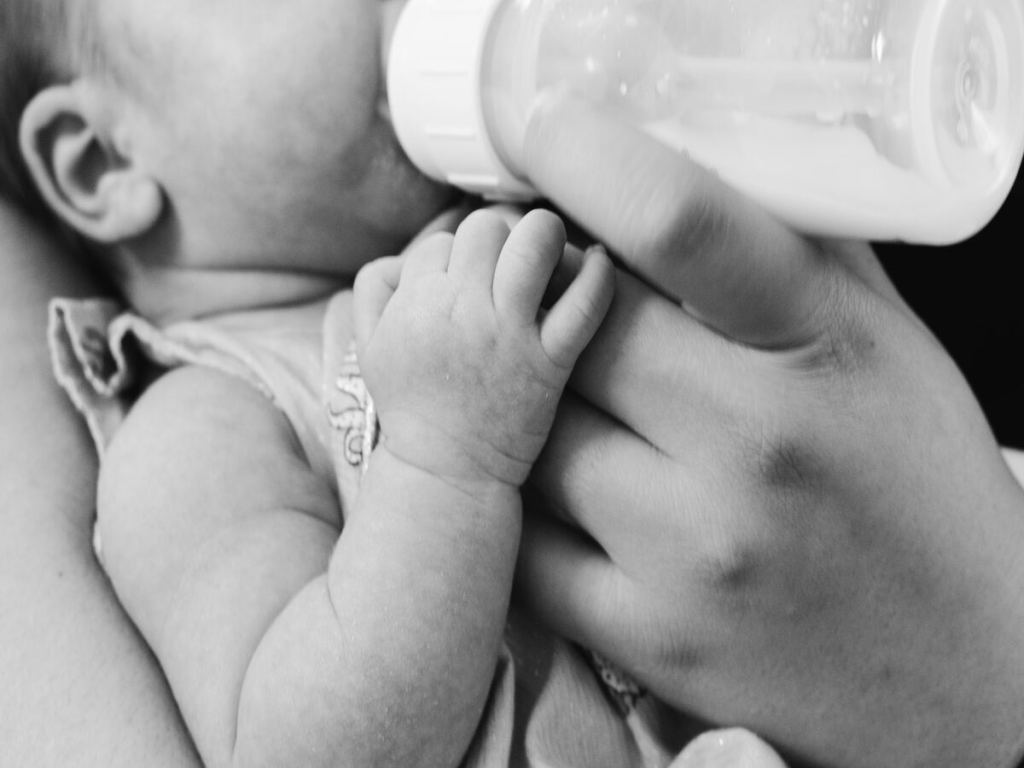
In the 1970s Nestle Group was the inventor of baby formula. A life-saving invention for babies who for whatever reason can’t breastfeed from their mothers. But just helping mothers who can’t breastfeed isn’t enough. It’s such a small segment of the population and such a small customer base. So they are looking to expand their formula business even more. Instead of just selling to moms who can’t breastfeed what if they could sell to every mother? If they could do that their customer base would instantly increase by 20 to 100 times. The problem is they have some steep competition. Mother nature milk. Something that is vastly superior and has far more nutritional value for infants.
So they need a way to fool the general public to dupe them into thinking that formula is better than natural breast milk. And the Nestle campaign that was concocted would turn into one of the greatest medical scandals of the 20th century from the biggest food company in the world.
To understand how to run their propaganda campaign for baby formula instead of starting from scratch all they needed to do was to take a lesson from some of history’s foremost experts at molding public opinion. The cigarette companies.
See, contrary to the symbol of death and disease it is today once upon a time in the early 1900s cigarettes were a cultural icon of sophistication and glamour. A highly prized commodity for one out of every two Americans. And how did the cigarette companies achieve the symbol of sophistication? With things like full-color magazine ads with respectable-looking doctors in the white coats puffing away with slogans like More doctors smoke Camels than any other cigarettes. An early example of an influencer campaign.
Who do people look up to when it comes to what they consume? Doctors. Who do people look up to to determine what’s cool? Celebrities. We know with mathematical certainty that large numbers of people will follow the advice of their doctor because we understand the phycological dependence men have on their physicians. So if our goal is to get mothers to choose baby formula over their own breast milk all we have to do is to get their doctors to tell them to.
The deadly marketing campaign

In 1970 Nestle influencer campaign started to basically get doctors to say Formula good, breast milk bad. They paid doctors and nurses to suggest their formula as an alternative to breast milk. And in places like Asia and Africa, they even did more than that.
- Hired sales women dressed as nurses and got them to hand out free samples and medical advice
- Sales women were paid commission so the more formulas they sold more money they made.
- Nestle made sure that these free samples were just big enough that by the time they ran out these mothers would have stopped making breast milk naturally.
- They have sold formula in areas where the water sources were extremely polluted.
- Women didn’t know that they needed to boil the water first because the instructions were written in English and many mothers were illiterate.
- Bacteria in the polluted water was making many babies sick.
- The price of formula was so expensive that many mothers diluted the formula with more water than recommended so the babies didn’t get enough nutrition from the formula milk.
It is estimated that babies who are fed formula in unhygienic conditions are between 6-25 times more likely to die of diarrhea and 4 times more likely to die from pneumonia compared to breastfed babies. Powdered cow’s milk, sugar, and vegetable oil aren’t even close to real breast milk. It contains none of the stuff that can help babies fight off diseases or build natural immunity. It doesn’t even contain enough nutrients to keep a baby healthy.
And in 1978 Nestle executives were even brought before the US Senate to explain why all these babies were dying or getting sick because of their formula milk. So by 1981, The World Health Organization set new regulations where they can no longer compare breast milk with formula alternatives. Even after millions of people started boycotting Nestle products stricter laws were put in place to stop them from tricking people into using their formula. There are still reports of Nestle paying doctors to promote their products, giving out free samples, and advertising in hospitals to this day. Formula milk has around 23% profit margin. This means companies like Nestle make around 23 cents for every dollar in sales. And by 2026 this industry is set to be worth more than 110 billion dollars. So that is why they did what they did. And it didn’t stop there.

In some parts of Africa and Asia where government laws are not as strict as in Western countries, Nestle still has free reign. Doctors are still paid to promote their products. New mothers are constantly bombarded by saleswomen representing themselves as healthcare professionals. Now it’s quite common to receive phone calls and messages promoting the newest formula milk products. Marketing campaigns are directed to not compare formula to breast milk anymore. Now they are stating that your baby will grow smarter, be taller, and stay healthier only if you feed them formula milk. Nestle is donating money and products to hospitals and maternity wards. Creating a public image of care for new mothers and at the same time promoting the same products that were the cause of much grief. Not the mention that the price of such products is almost out of reach for most parents in these countries but they still make sacrifices to buy because we all want only the best for our children.
 Things we do for health