I’m sure all of us have seen cute little videos on social media like Instagram, Facebook, YouTube, and TikTok of children doing activities like cooking, playing, singing, dancing, and such. For parents, all across the world is becoming a new norm to allow their children to do certain activities on social media. We are living in a modern world where each kid has a smartphone or a tablet before the age of 2.
A staggering 86% of young children in the US have admitted to wanting to become social influencers, and 12% of them have already considered themselves influencers or well on the way to becoming one. Most social media platforms require their users to be at least 13 years of age to be able to register for an account. But we well know that there are children influencers in the media way younger than that. Some of the youngest ones started when they were only 6 years old. So what is the problem? If the videos and their content are children-related and completely harmless parents should have the right to decide how much time their children spend on social media. Well, the truth is not so black and white.
Main concerns regarding children in the industry
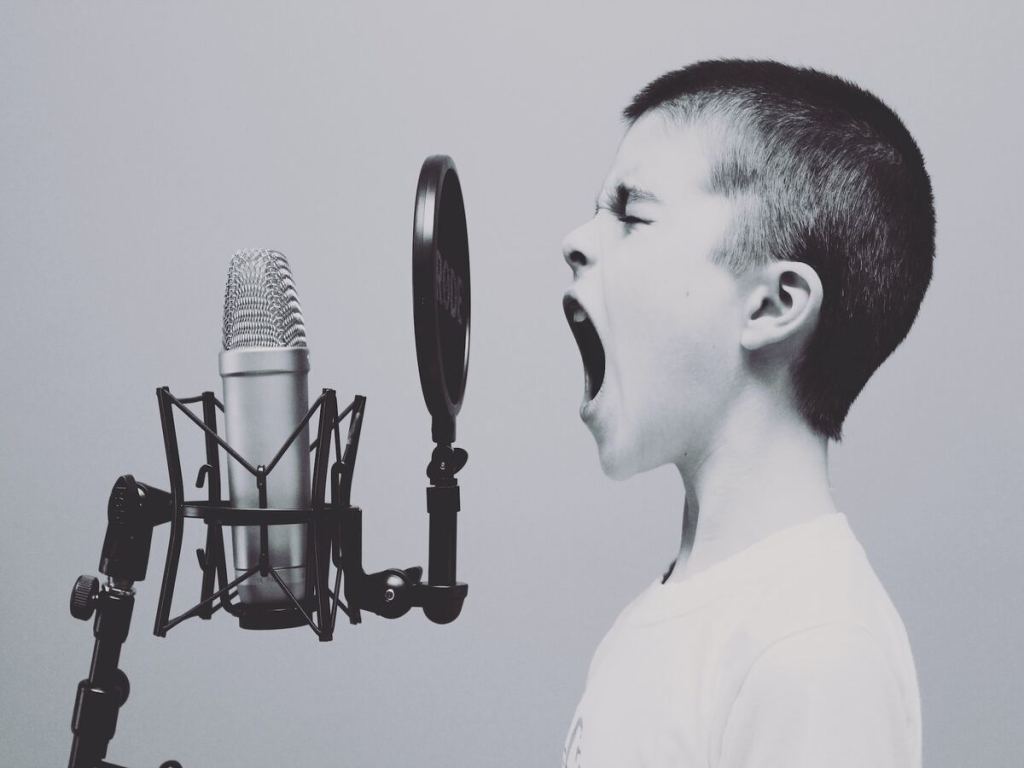
I’m sure most of us older people recognize the names of Shirley Temple and Judy Garland. They were one of the first children’s movie stars in the Golden Age of Hollywood. You can still see their old movies and read their path to fame which was everything but harmless. There is also the story of Jackie Coogan. As a young boy, Jackie Coogan was cast in the lead role of Charlie Chaplin’s hit movie “The Kid.” The movie brought Jackie global stardom; as he once stated, “I had the flu in New York and it pushed the President off the front pages.” Therefore, the news rocked the nation when it was discovered that Jackie’s mother and stepfather had spent almost all of Jackie’s $3-4 million income, leaving him financially destitute. In 1938, aged 23, Jackie sued his mother and stepfather and won, but after legal fees, Jackie was left with a mere $126,000 of his original fortune. The state of California rushed through legislation that became known as the Coogan Act. This granted judges the discretionary power to require that a contract set aside some of a child-actor’s income in a trust fund or savings account, only to be opened when the child reached the age of majority. In addition to this, the money that was put away was to be taken from a child’s net income, after any managerial fees and other fees had been subtracted.
California’s Coogan Act remained unchanged for 61 years until revisions were eventually made in 2000. It is now necessary for a minimum of 15% of a child actor’s earnings to be placed in a trust fund (no longer at the discretion of the judge). Additionally, the 15% must come from the child-actor’s gross income, not their net income, protecting it from being reduced by “management” or “secretarial” fees. Finally, the income earned by a child actor is legally recognized as the child actor’s property. It is no longer the property of their parent or guardian.
Child influencers are not legally protected
Some people would say that it happened in the past. Now we have laws to protect children from exploitation in the entertainment industry and that would be true. There are laws on how many hours children can work on set legally, there are regulated conditions on what a child can be exposed to, and there need to be tutors and guardians on set to make sure they are still going to school. Children actors are paid a certain amount of their earnings that parents cant touch to protect their futures. And while children in movies act. They pretend they are someone else. Nothing of their personal life is exposed to the public because it is a movie or a commercial that they are doing. Their privacy is still intact.
But all this does not apply to social media. The law is always going too slow to compete with the advances of technology and modern times. There are no regulations stating how long, and under what conditions child influencers can work. Maybe the video content is only a couple of minutes long but we don’t know how many times it has to be filmed to be perfect. We don’t know how many videos they need to make a day. We don’t know how much money they make if they make any. Because parents could take it all. Nothing is stopping them to take all the money made from social media platforms and spend it all in any way they wanted. We don’t know anything about what is going on behind the camera.
Can we talk about consent?
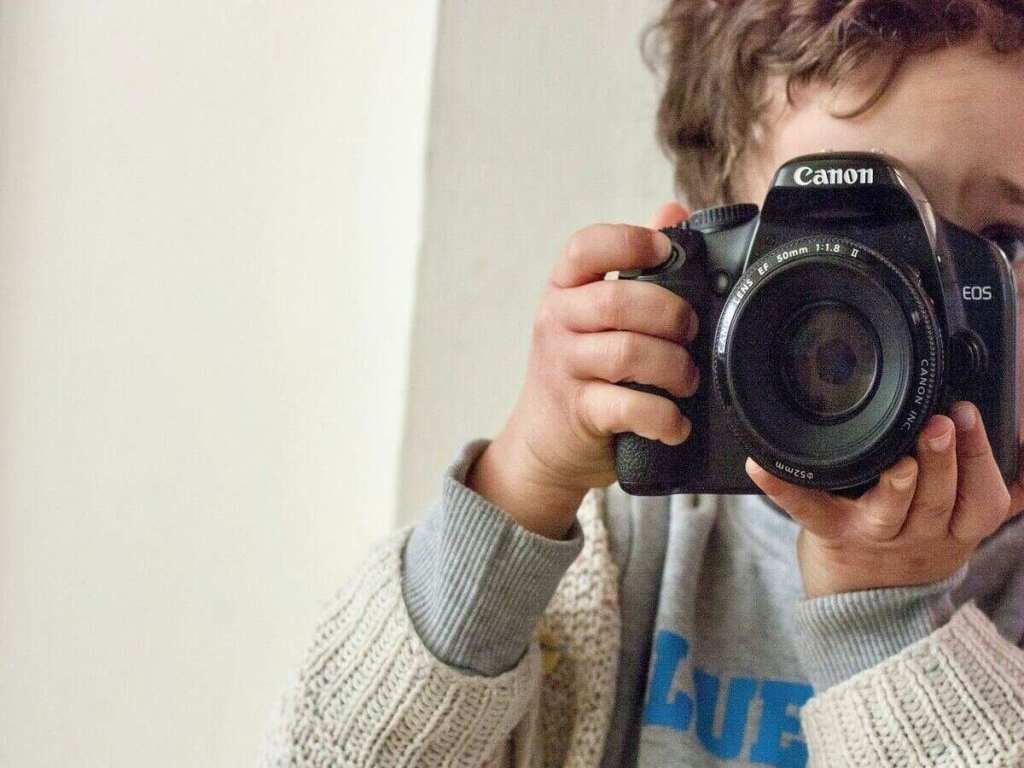
This is the main issue that bothers me. Can children as young as 6 give consent to having their image published to the world? As far as we know the parents are the legal guardians of their children and they have the exclusive right to share the images and videos of their children. Now, some parents are more safety oriented and will not post their children for everyone to see. But if social media content is their main source of income then it becomes a grey area.
And when the children become adults what happens with the content they made when they were young? What if now they don’t want their videos of cooking, dancing, and singing to be available for everyone to see? Who has the right to take it down? Will the parents oblige and delete them all? Even if they try to delete them it would be simply impossible if they have been shared countless times on thousands of social media accounts. The children have lost their right to privacy. It was taken without their consent and now as young adults, we tell them, sorry you still don’t have the right to control your internet image.
And I’m not even touching on the economic aspect of this problem. Not every parent will be responsible and save the money they have earned through social media for their children later in life. So basically they have worked for free, had their image monetized, their privacy exposed, and lost any benefit from social media platforms. And later in life if they were famous and popular people will stop them in the street, invade their privacy again and remind them of what they have been through again and again. It could disrupt their future careers, their family lives, their self-esteem, and confidence and make them feel like they have no control over their lives.
 Things we do for health