Even if you are never planning to go into homebrewing there are some things that we should know about beer. You don’t have to be a serious beer drinker to know about all the different beer styles. There are so many of them all across the world. The craft beer industry is a never-ending community of individuals that never ceases to amaze us with different styles and flavors.
So what is it that is the basic to beer? We have already been through the main ingredients. So taking the time to learn about ales and lagers is something that would be interesting and you can actually use this information the next time when you grab your bottle of beer.
It all starts with the yeast
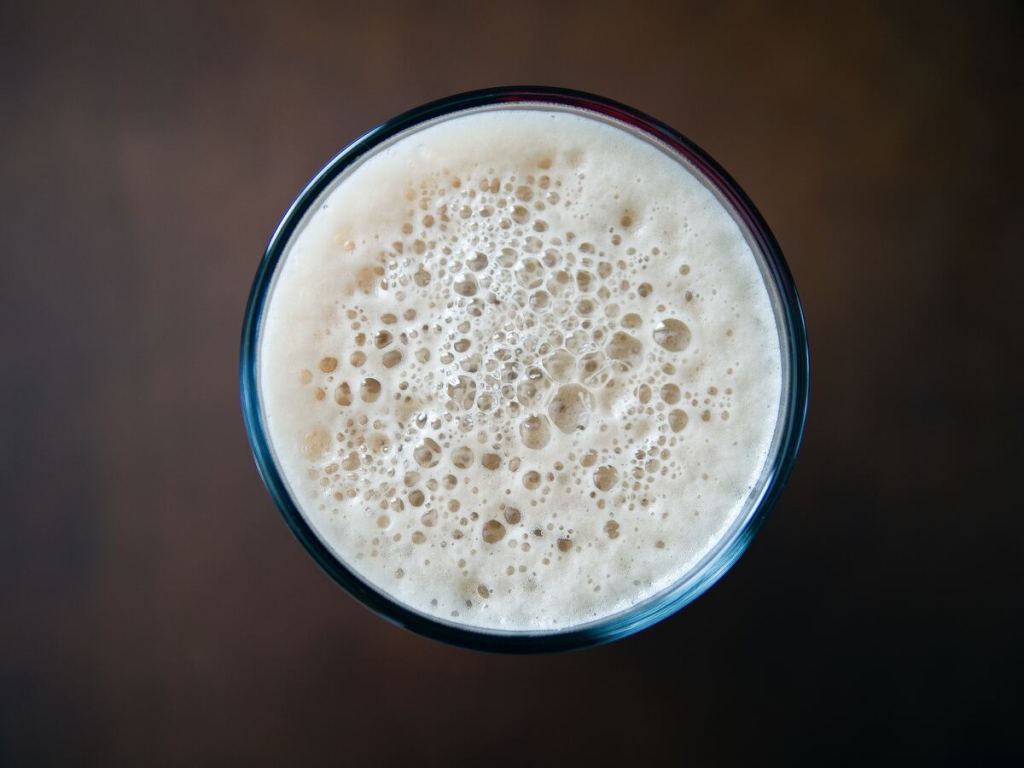
To make beer you need yeast. And not just any yeast. While it’s possible to make beer with bread yeast trust me the result would not be to anyone’s satisfaction. To make good beer you need a good fresh brewer’s yeast.
There are two main yeast strains to make beer. One that is used to make lagers and another one that is used to make ales. Lagers were traditionally drunk before the craft beer revolution. They would be fermented for a longer time in colder places under lower temperatures than compared to ales. By fermenting colder we help to slow down the metabolic pace of the yeast. This means that yeast produces fewer flavor profiles giving us a clean and crisp style beer. Lagers were stored for longer periods. That allowed the yeast to fall out of suspension and give you a nice clear liquid.
For the production of ales, they are fermented under higher temperatures when compared to lagers and for shorter periods. Creating beer that can be drank faster. This would speed up the metabolic rate of the yeast and allow it to produce a greater variety of flavor profiles. Ales are a bit more fruity, and bitter, and have bolder, deeper, and richer flavors. Not only does the yeast used in ales not like to fall out of suspension but also there’s a bunch of protein haze in it as well. That is why ales are often not clear beers when compared to lagers.
The craft beer revolution
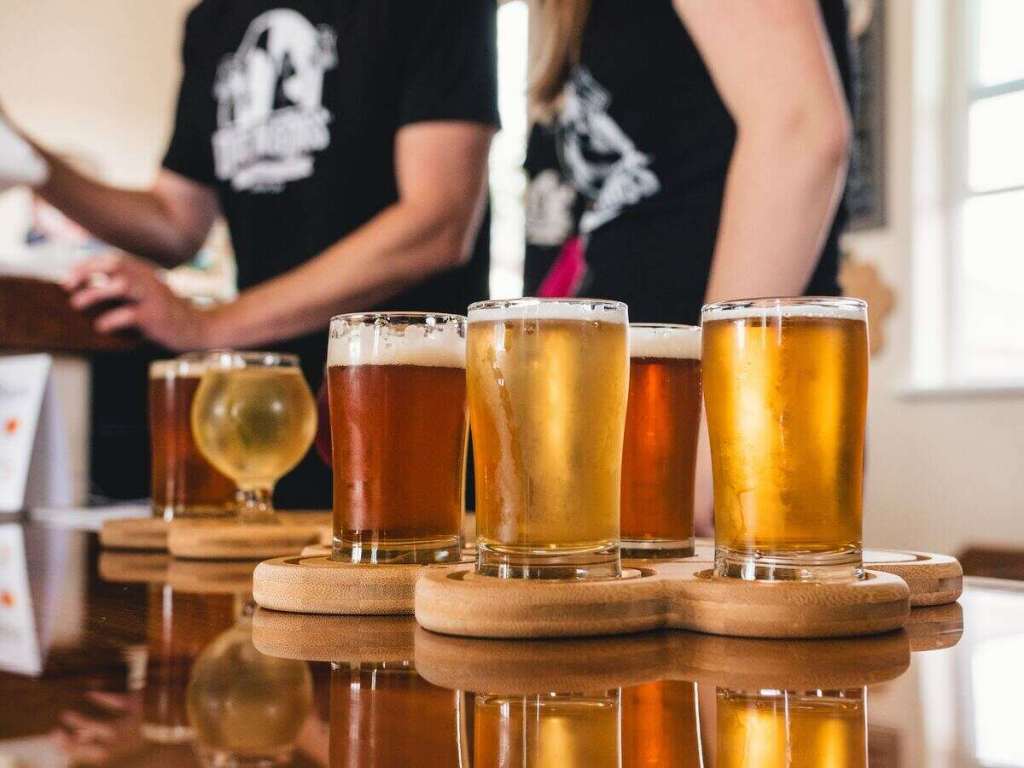
Thanks to the rise in homebrewing and also many new small breweries the differences between lagers and ales are starting to be questioned. It is a good thing that professional brewers are starting to experiment not only with different malts and hop varieties. By submitting yeast strains to different temperatures during the brewing process they can control the flavor profiles created during brewing. So now all we know in the past and the strict rules brewers had to follow are being broken.
The craft industry saved many dying beer styles by bringing them back to the public. But at the same time, it has given us plenty of new beers to try from. Beers that have been creatively designed by individuals that are not bound by the rules from many centuries ago. There is a big difference between ales and lagers but at the same time, the boundary between them is also getting blurred.
Don’t get me wrong. There are so many great-tasting lagers and ales out there that are perfectly fine and taste excellent every single time I try them. But sometimes it’s in human nature to try something new. Same as it is in the brewer’s nature to ask how would this taste if I change this, or add this. Brewing beer is about creativity and finding new solutions to the same question. How to make good beer that people will enjoy in a new creative way?
 Things we do for health