We all have our comfort foods. Especially when we are feeling sad, overwhelmed, or just stressed we eat certain foods to make us feel better. Some people will reach for their favorite cookies, ice cream, and soup that their mother used to make. There are many variations of comfort food and that is exactly what they provide. Food can make you feel better, and give you more energy and some even claim to have the ability to heal.
But there is also the other side of food. Certain foods can make you feel edgy, sad, or even depressed. Can food make you angry? What we eat has different ways to manifest itself in our minds. Some will say that it’s only food. Its main purpose is to provide nutrition to our body and nothing else. But it is scientifically proven that different foods can have different impacts on our bodies and the way we feel. If we look at the human body not just as a collection of organs and tissues but as a whole lot of minds versus matter then food certainly has a major impact on our health and on how we feel when we eat.
Food as an aphrodisiac

Certain foods are known to have properties that could enhance the sexual drive or impact the level of happy hormones. Dark chocolate, oysters, red wine, and others have been known for centuries to have such properties. We always give chocolates for Valentine’s Day. Some can blame it on excessive marketing but some will also think that it’s true that a piece of chocolate can improve your mood.
So if you still don’t believe that food could make you angry at least you can acknowledge that these types of food make people feel better. Better not as in healthier but better as in feeling happier, better mood, more optimistic. The chocolate we can even name romantic food because it’s often used in that term. We gift it to our girlfriends, wives, lovers, and people we care about for special occasions.
Food as a medicine
For several centuries in traditional medicine all around the world, certain foods have been used as medicine to cure ailments. Even now in the age of modern medicine we still follow the traditional way of treating minor diseases. Be it ginger for nausea and sore throat, chicken soup for flu, or honey for cough and stamina. Hundreds of different recipes and ways of preparation have been handed to us from our grandmothers and parents that we still use today.
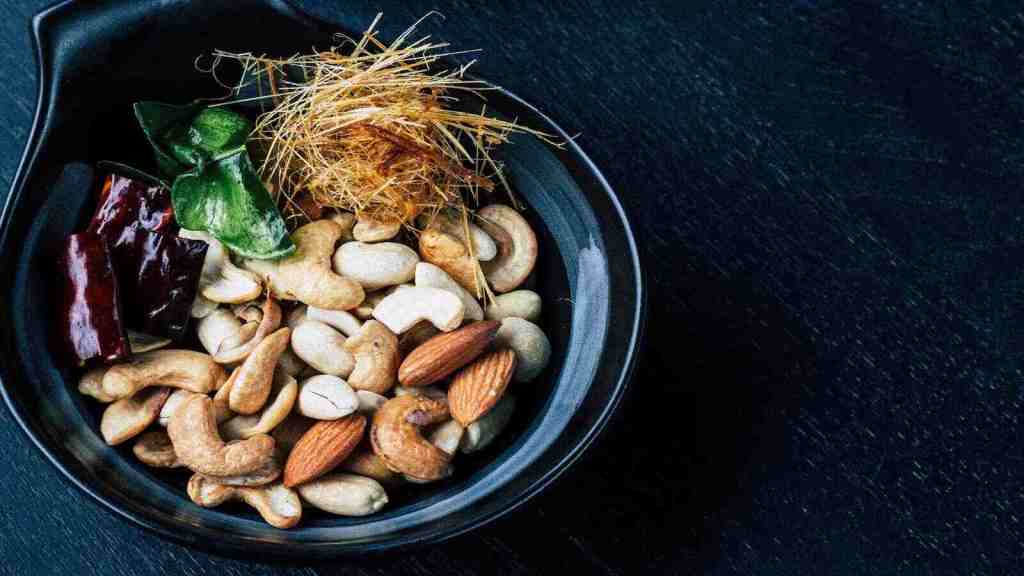
This is maybe the largest group of food when it’s used as a medicine. It will include nuts, seeds, herbs, roots, teas, and all other countless ways of preparing food to serve a healing purpose. And there is nothing wrong with that. In an age when people often consume too many man-made drugs and treatments there is a certain comfort and safety in having food that is not processed and is healthy to use. Especially boosting your immune system and maintaining the good condition of your body when you use food as medicine is a good thing. As long as it’s done safely and you are still willing to contact your health professional in case your condition needs further medication.
Food that effects your mood
We all probably know that one person that gets really mad when they are hungry. When your sugar levels drop you may experience feelings of rage and a great deal of hunger. But what if certain foods can make you angry even if you are not hungry? Some people are more temperamental than others. There is nothing wrong with that. We are all different after all. Some people are more patient than others. But what if it’s not part of the person’s character but part of the food they are consuming on day to day basis? If we are talking about an average healthy person with no medical condition that we could blame the anger then it deserves a deeper look.
The lingering question becomes: can the foods you eat actually make you angry? Looking at the big picture, the connection between food and mood involves complex variables like the time of day, nutrient composition of the food, and your dietary history. Still, research suggests that what you eat can have a direct effect on your mental state and your behavior. Nutrient deficiency is a major cause of behavioral abnormalities. Without the proper nutrients, the body cannot produce the appropriate chemicals and hormones required for clear thinking and a healthy mood, which in turn can lead to irrational and even dangerous behaviors.
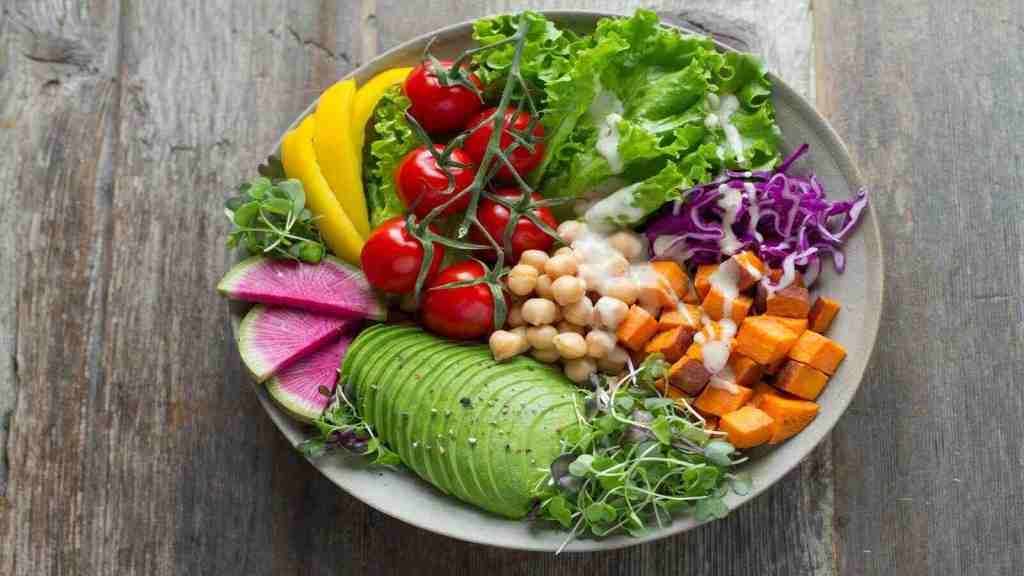
The foods you eat play a major role not only in your physical health but also in your mental health. Certain vitamins and minerals are required for proper brain functioning and can influence memory, cognition, and mood. Deficiencies in certain nutrients including B vitamins, iron, and magnesium have been linked to depression and other mood disorders. Common symptoms of nutritional deficiencies include irritability, mood swings, fatigue, brain fog, and depression. To help prevent diet-related mood changes, start eating less sugar and fewer processed foods, and eat a higher amount of whole foods such as fruits, vegetables, nuts, seeds, leafy greens, and lean protein. If you’re not sure whether your diet is contributing to mood swings, be sure to consult with a healthcare provider.
How to recognize if you have a problem
In addition to eating healthy foods, exercising regularly, and getting plenty of sleep, self-treatment for mood swings involves knowing what triggers them in the first place. Identifying the factors that trigger mood swings can empower you to eliminate these triggers altogether or learn new coping methods that reduce stress and irritability.
Start keeping a journal of when your mood swings occur, along with any events that may be associated with them. For example, take note of the foods you’re eating and the days you’re lacking sleep, and track your menstrual cycle if you’re a woman. Being aware of triggers that cause your mood swings can give you a clue into whether you may need medical treatment, or whether you should consider stress-management techniques such as yoga, deep breathing, or mindfulness and meditation.
If you’re thinking that drastic diet changes are on the menu, do not worry. Some minor modifications to your diet could make a big difference.
- Load your plate with mood-supporting foods by eating a rainbow of fruits and vegetables.
- Consume foods as close as possible to how they look in nature. For example, an orange is less processed and closer to nature than orange juice.
- Eat plenty of dopamine-building foods, such as fish, poultry, eggs, and leafy greens.
- Increase intake of omega-3 fatty acids, found in fish, flaxseed, chia seeds and walnuts, to help fight off feelings of depression.
- Sprinkle in magnesium-rich foods, which support sleep. Foods high in magnesium include almonds, spinach, pumpkin seeds and sunflower seeds.
- Limit added sugars. Choose no-sugar-added varieties of foods when possible. Have fruit for dessert more often than sugar-sweetened treats.
- Get your vitamin D level checked. Low levels of vitamin D are associated with depression and mood disorders. Vitamin D can be found in fatty fish, egg yolks, liver, and sunshine, but often supplements are needed to keep a healthy vitamin D level for individuals living far from the Equator.
 Things we do for health