Bud Light a single brand of beer holds command of 15.4% of the entire US domestic beer market. And although that isn’t as dominant as Budweiser at the peak of its popularity, Bud Light is an absolutely big brand. Even though we live in the Golden Age of craft beer. But this dominance is a little strange. Products that are normally marketed as diet are usually niche products in other industries, not the dominant players. So how did Bud Light come to dominate the US beer market and are they starting to slip?
Light beer is an absolute phenomenon here in the US. Three out of four top-selling brands here in the US are light beers. And those three brands represent more than a quarter of the beer market. But how did a diet product become so popular in the first place? And who are the individuals responsible for this market takeover?
The story of origin
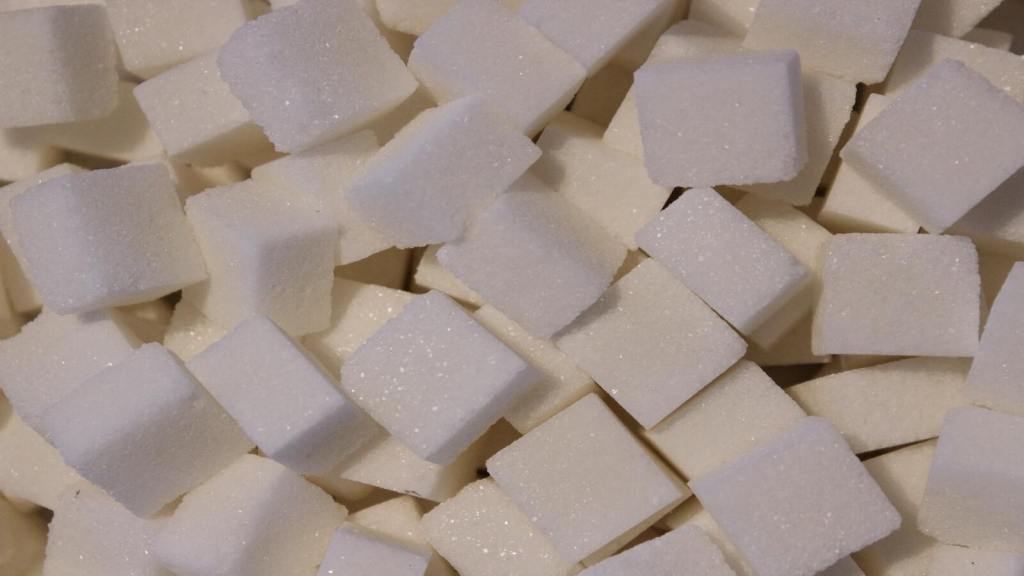
If you look at light beer marketing today you may have seen Miller refer to its Miller Lite brand as the original light beer. And while Miller Lite is certainly the earliest popular light beer brand like most marketing tag lines it’s a little bit misleading. The true original light beer was developed in 1967 by Dr. Joseph Owades, a biochemist at Rheingold Brewing Company. He formulated that beer with reduced carbohydrates and calories by removing starch from their original recipe.
Starches are large molecules used by cells to store energies for later. Plants make glucose sugar molecules during photosynthesis but they don’t need all of the energy provided by that sugar right away. On a cellular level, sugar is actually pretty dangerous to keep around. Sugar is a very soluble molecule that’s why it’s too easy to mix into coffee or tea. But as such it tends to attract a lot of nearby water molecules from the air. If you’re a plant cell with too many sugar molecules lying around you’re going to get totally assaulted by way too many water molecules until you swell up and burst. Essentially drowning yourself by having too many sweets.
To avoid this fate plant cells fuse a few of these sugar molecules together into starch which is much less soluble than pure sugar molecules. Plants that have a lot of starches like barley are great for making beer. With boiling all those starch molecules provide a ton of sugar for the yeast to ferment into alcohol and CO2. But not all starches can be eaten by the yeast and those leftover molecules make it into the final beer. Normally these starches and carbohydrates add some nice flavor and a little bit of body to the beer, but they also add quite a few extra calories to your beer gut at the same time. That is why Dr. Joseph was targeting starches in beer when he was trying to create a diet beer product and it was actually a brilliant thing.
Marketing and consumers
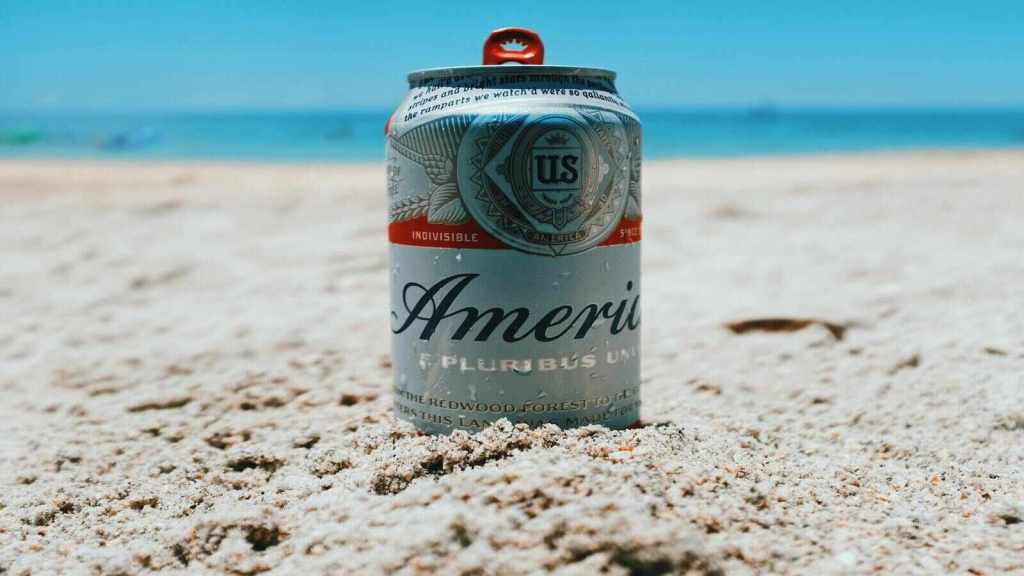
In the late 60s diet foods were just starting to take off and over the next few decades, they would evolve into a huge industry in the US. But health-conscious consumers weren’t looking for a diet beer. They were staying away from beer in general. So marketing to them like previous companies did wasn’t going to work no matter how hard they tried.
But one group did respond well to the idea of diet beer. And it was one group that no one really expected, sports-watching couch potatoes and barflies. No one expected that these heavy beer consumers wanted anything new out of their beers but it’s these consumers that stood to gain the most from having a light beer option. If you could cut 40% of the calories from something you drink several times a week or even daily that is a really good proposition. And any marketing firm knows that there’s one sure way to appeal to this TV-loving demographic. Marketing with sports programming.
Others began producing legendary TV commercials featuring retired athletes. Soon every nationally recognized brand has some sort of corresponding light version of their beer. As heavy beer drinkers loved those lighter versions. Although these brands are beginning to lose ground as more consumers are looking for local or quality-oriented beer products. There is no doubt that these brands completely changed beer and beer marketing in the 20th century.
 Things we do for health