If I asked you to define the stout beer style, do you think you could do it? Besides a black color and an emphasis on strong malt flavors, this style varies widely in terms of alcohol content, additional flavors, and sometimes even basic things like mouthfeel and carbonation levels.
The word stout originally referred to a strong black beer. According to a letter published in the history of brewing by HS Koran, the earliest recorded use of the word stout in describing beer was in 1677. So when we talk about the history of stouts we really need to look at the combined history of porters and stouts. As both names were English slang terms for strong dark and malty ales.
The popular story and the real story
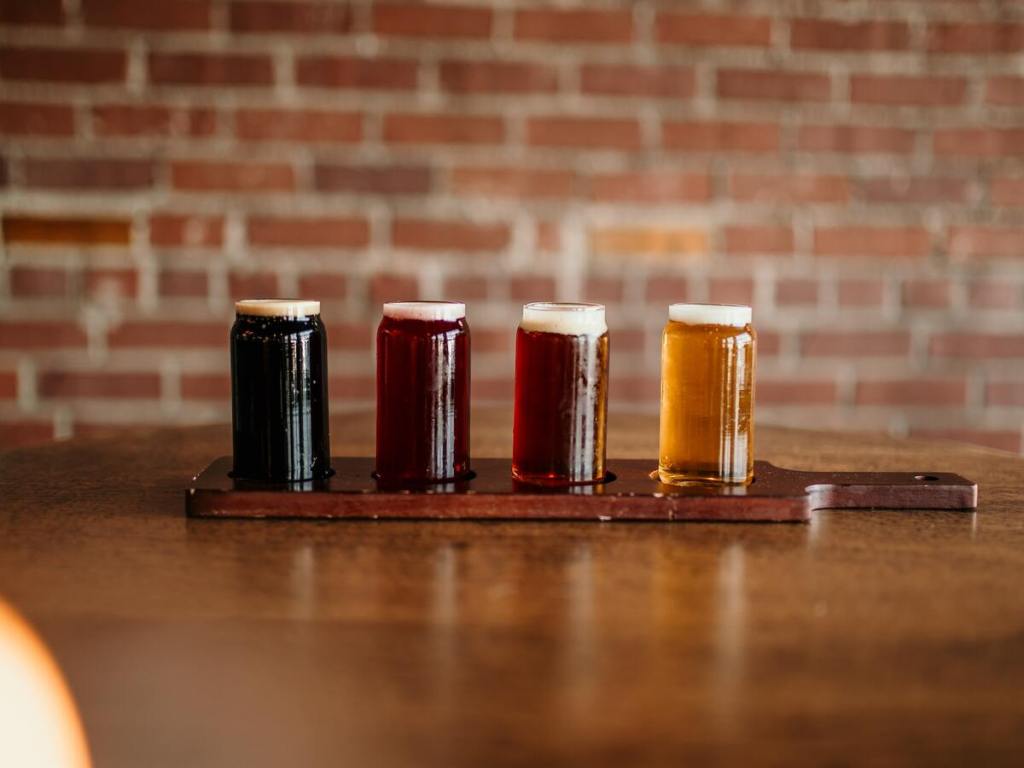
While many believe the story that Ralph Hardwood of Bell brewery in shortage created the porter by blending three beers together. Such simple stories haven’t held up well as historians and researchers continue to look into the origins of the style. The story of the stout really begins with the Industrial Revolution in Britain.
Farmers began moving into towns and cities from the countryside in droves. As factories opened and local construction crews grew with all the Britain’s new infrastructure projects a huge group of thirsty workers formed in towns and cities. And to satisfy them breweries grew larger and larger. To meet these huge demands without surrendering all of their profits to heavy beer taxes London brewers turned to cheap brown malts from the countryside and made a variety of brown ales of varying strengths.
These thirsty country workers were used to pale hoppier beers in their local towns and villages. And London brewers quickly added the untaxed ingredients and hops to their ales. But there was still one more step before brown ale could make the leap to stout.
Inventions and modernization

At this time the invention of critical brewing tools including the thermometer and hydrometer drastically changed the way brew masters determine their malt bills. With the hydrometer brew masters at the time discovered that their inexpensive base brown malt was mediocre at best in terms of sugar yield. So they began adding slightly higher priced pale malt to their grist and experimenting with things like adding caramelized sugars to their beer to keep the brown color their customers expected.
After realizing they were losing business the manufacturers of those cheap brown malts used new malting technologies to produce deep chocolate almost black malt which had a much better sugar yield than their previous brown malts. Many brewers switched back to these brown malts but kept the high hop levels. And thus porters and stouts were born.
Around 1820 stout emerged as a standard term for beer that was slightly different than porter. Somewhere along the line porter drinkers began to distinguish stronger examples with the adjective stout. As such the term stout became slang for a strong beer and many breweries throughout the 18th century featured a pale stout and a stronger beer called stout. So that’s the basic origin story of the stout. A style not created by a single revolution but a series of changes within English society that pressured brewers to evolve since the Industrial Revolution and today we have many distinct stout styles.
Stout sub styles

Dry or Irish Stout, a traditional dry stout originally came from attempts to dodge the malt tax bill in the 18th century in London. As unmalted barley wasn’t taxed the same as malted barley brewers began using more of it in the grist. Still used in modern recipes this raw unmalted barley lends a sharp coffee bitterness with a creamy mouthfeel.
The sweet Milk Stout had dropped off in popularity during the 20th century as it was said to be a drink for invalids. But in the 21st-century craft brewers have revived the style and made it even sweeter through the addition of lactose sugar.
The Oatmeal Stout was another 20th-century development and it included the addition of malted oats to the stout malt bill. Lending a soft creamy mouthfeel and distinctly nutty flavor. Once considered nutritious the British adopted the oatmeal stout as a part of a healthy diet and many drank it quite regularly.
Originally The Foreign or Extra Stout was a strong stout that was considered a luxury item. Once copious amounts of extra stout were exported to British territories at high rates it garnered the name, Foreign Stout.
Imperial Stout, while stronger than Extra Stout the term Imperial came about in the 18th century due to the popularity of the style with the Russian Monarchy.
 Things we do for health