Do we really need to know how many tons of CO2 are released into the atmosphere every hour or how much plastic goes into the ocean every minute? But when we hear the numbers over and over again without any form of reference they start to lose meaning. Keep in mind there’s no cut-and-dry way of comparing one industry to another when it comes to how much they pollute. Partly because there are such big overlaps between them. Once an industry relies on another and you can’t tell where one ends and the other begins. But still, some are considered the most polluting industries in the world. So here is our list. On more hard truths check Are Our Fruits Safe – Artificial Ripening.
1. Agriculture
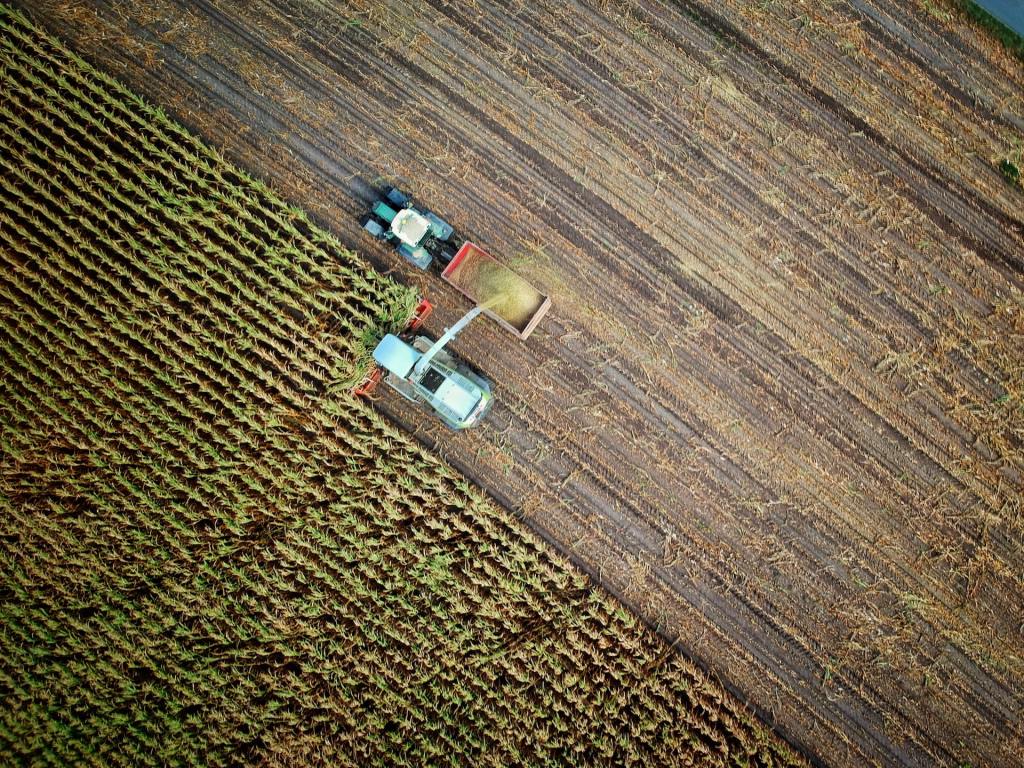
Farming serves one of our most basic needs. Which means we can’t live without it. But with the world’s population rising can the world handle our food needs? For the time being probably yes but with a big question mark until when. Not when we are eating as much meat as we are right now.
Agriculture accounts for around 15% of the world’s greenhouse gas emissions and more than half of that come from cattle production. And when we are talking about raising cows there are some big problems at every link of the chain. From manufacturing fertilizers for cattle feed to burning forests to make way for grazing land. It all means that every gram of protein in beef production takes up 20 times more land and causes 20 times more carbon emissions than beans and 10 times more than chicken. So if you give up beef and go plant-based you’re doing the planet a big favor.
2. Food Retail
The amount of packaging isn’t only large it’s totally unnecessary too. Nearly a million tons of plastic are used in food retail every year. That goes into landfills or oceans where it kills hundreds of thousands of marine animals.
Take away boxes, plastic straws, bags, and cutleries will end up hurting marine life and polluting our rivers and oceans. Finally, in some countries, single-use plastic is banned but it’s a new development, and sorry to say the damage is already done.
3. Passenger Transport

This one accounts for a fifth of all CO2 emissions. And even though travel has slowed down during the pandemic the general trend is upwards. Air travel only accounts for 16% of all of this. Land-based travel pollutes a lot more.
Not to mention that passenger transport strains the infrastructure, and creates traffic and congestion. Especially in largely populated cities passenger transport could be overwhelming and erode the quality of life in urban areas.
4. Commercial Freight
The other side of the transport. Not carrying people but goods. Over the pandemic, we’ve all been ordering more online and getting it delivered to our homes. Commercial freight doesn’t pollute as much as passenger transport but it’s still a lot. Around 40% of all CO2 emissions are from transport.
There is also a safety concern since a lot of the trucks and boats carrying freight are commonly overloaded to make them more economically viable. The drivers are often driving too many hours and a lot of accidents happen due to tiredness and the pressure of delays.
5. Tourism
Tourism is responsible for 8% of greenhouse gas emissions. A lot of food is wasted in hotels and restaurants and when hotels wash our towels every day that’s not very efficient energy use. Not to mention all the large pools, fountains, and jacuzzies that need to be filled with water that is also chemically treated.
Tourism can have a strain on the community. Increasing prices of food, cost of living, and property make local people forced to move to more rural and affordable areas.
6. Construction

All the building sites around the world add up to 23 % of the air pollution. Harmful dust ends up in tap water and accounts for 40% of drinking water pollution. The construction industry produces around half the garbage that ends up in a landfill. Around half of all natural resource extractions, a sixth of global fresh water, a quarter of wood, and produces a quarter of global waste.
Construction also creates noise pollution which is harmful not only to humans but also to the nearby wildlife. It disrupts the quality of life since construction projects can last months or even years.
7. Natural Gas
We’ve often thought of natural gas as the friendlier cousin of all fossil fuels. In 2019 natural gas was responsible for 8 billion tons of CO2 that went into the atmosphere. That’s about a fifth of the total carbon emissions and includes half a billion tons of flaring when gas gets burned during processing.
8. Fashion

Like any industry, fashion uses energy to make things. The clothes we wear use enough energy to account for 10% of all carbon emissions but what pushes fashion even further up the list of polluters is the number of clothes that get dumped every year.
The world of fashion has a lot of different types of players involved. And there’s one section of it we can really point our fingers at. Fast fashion. That’s because fast fashion items are made up of cheap material that doesn’t last long. They also contain harmful microplastics and tend to be made in lower-income countries with worse environmental regulations where factories are more likely to run on coal and gas. And when all of that energy is gone into making fast fashion 85% of textiles get dumped every year.
9. Chemical Manufacturing
Every kind of manufacturing uses energy and a lot of it is dirty energy. But it just happens that the chemicals industry is the biggest industrial user of energy. That means the cleaning products we use at home. pesticides farmers put on their crops or construction materials builders use. All took their toll on the environment ever before they were used.
And besides the chemical industry releases toxic substances into the environment which contaminates the water, soil, air, and food. Worst of all is in lower-income countries where there are fewer regulations to prevent pollution from happening.
10. The Plastic Industry
When it comes to plastic over 8 billion tons of it have been produced and only 9% of that has been recycled. The good news is it will decompose, the bad news is it will take hundreds of years to do that.
Separating plastic garbage and recycling has been a hot topic for decades. But somehow the problem is only getting worse and now microplastic can be found in the air we breathe, the water we drink, and the food we eat.
11. Waste Management
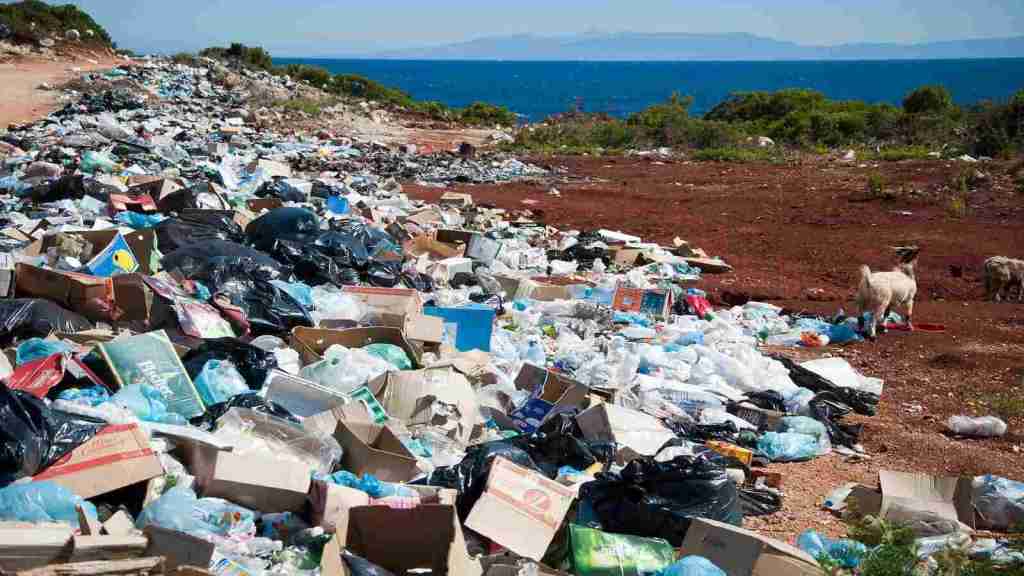
The average American produces around a ton of garbage every year. This means there’s a big market for getting rid of it. It shouldn’t come as much of a surprise the global waste management industry is currently worth 2 trillion dollars.
Garbage and landfill sites are where about half of our trash ends up. And when harmful chemicals come out of it they end up poisoning the land around it and the groundwater. It creates health problems from asthma to cancer, even birth defects.
12. Mining
Minerals and metals that come from the ground may be useful but it’s a fact that getting them out of the ground doesn’t do any favors for the natural surrounding where we can find them. And it’s not just the case of ruining the view.
Mining can lead to a whole load of problems. Like soil erosion and sinkholes, and the destruction of forests. As well as harmful substances like arsenic, mercury and sulfuric acid getting into the soil and the water beneath it. Which ends up in rivers and in people’s faucets. It kills wildlife and destroys ecosystems.
13. Technology
We have to give the tech industry credit for revolutionizing energy with solar power and other renewables. And it’s giving us ways to recycle plastics and solutions to plenty of other environmental problems.
But there are serious downsides too. Like the amount of energy tech products use. Currently, around 3% of the world’s electricity goes into powering our servers and charging our devices. Those figures are going up every year. On top of that phones and computers use rare minerals that cause environmental destruction when they are mined. Like Colton, a metallic ore found mostly in central Africa. Polluting lakes and rivers. And we need it to make phones, tablets, and computers.
14. Oil
As well as being behind climate change, oil companies pollute areas where they drill and they pollute the world’s seas and oceans through oil spillages. In 2020 thousand of tons of oil were spilled worldwide. But the biggest reason for oil being so close to the top of our list is the amount of CO2 it sends out into the atmosphere. Currently 12.25 billion tons, 34% of the world’s carbon emissions.
15. Coal
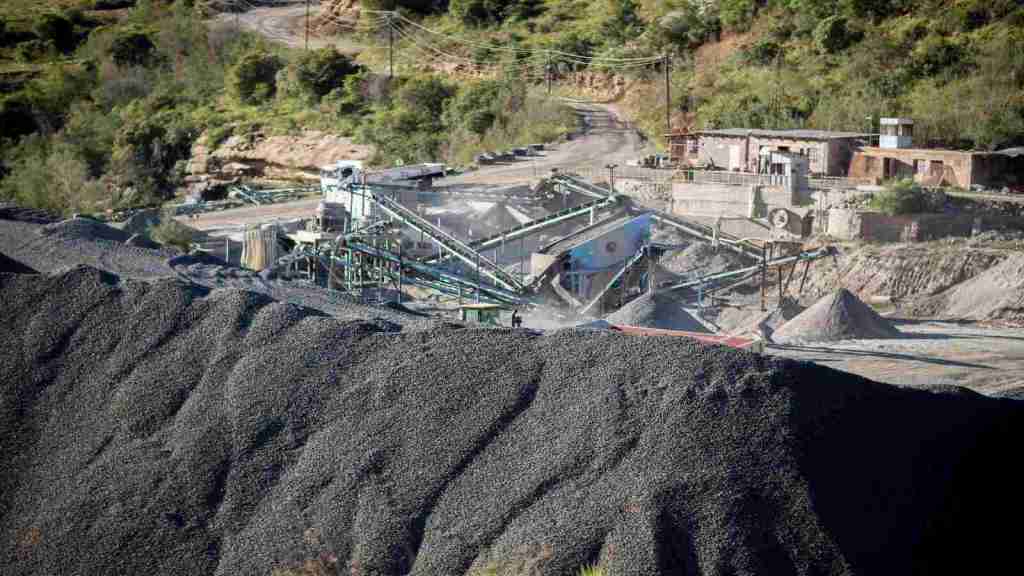
The global industry contributes more to global warming than any other. It emits more CO2 than any other fossil fuel when it’s burned. The biggest contributor to CO2 in the atmosphere as well as producing methane, a greenhouse gas that has 25 times more global warming potential than CO2.
Even though many countries are phasing it out, 27% of the world’s energy supply comes from coal. In places where it’s burned, it causes smog which leads to serious health conditions from respiratory problems to heart disease. This is a big concern in China which still uses coal for around 60% of its energy as well as other countries including India and Poland.
 Things we do for health