We all lead busy lives, and not everybody has time in their day to make a healthy home-cooked meal. To save some time, we will usually either order take-out from the nearest restaurant or just get a ready meal from the freezer. But there are still some foods that we should definitely avoid. The list is not about junk food, donuts, burgers, pizzas, or anything else that we know are bad for us.
The food on the list is the food we eat often without even thinking about how harmful it is for us. I’m talking about food that will not have any nutritional value or useful ingredients. Food that I think should not be available for consumption by you or by members of your family. But still, it is ever present on the shelves of supermarkets because it’s easy to prepare, cheap, and fast to make. On the positive side, there are things you can do to improve your health in 5 Gentle Ways To Make Your Day Better.
1. Instant noodles/ramen
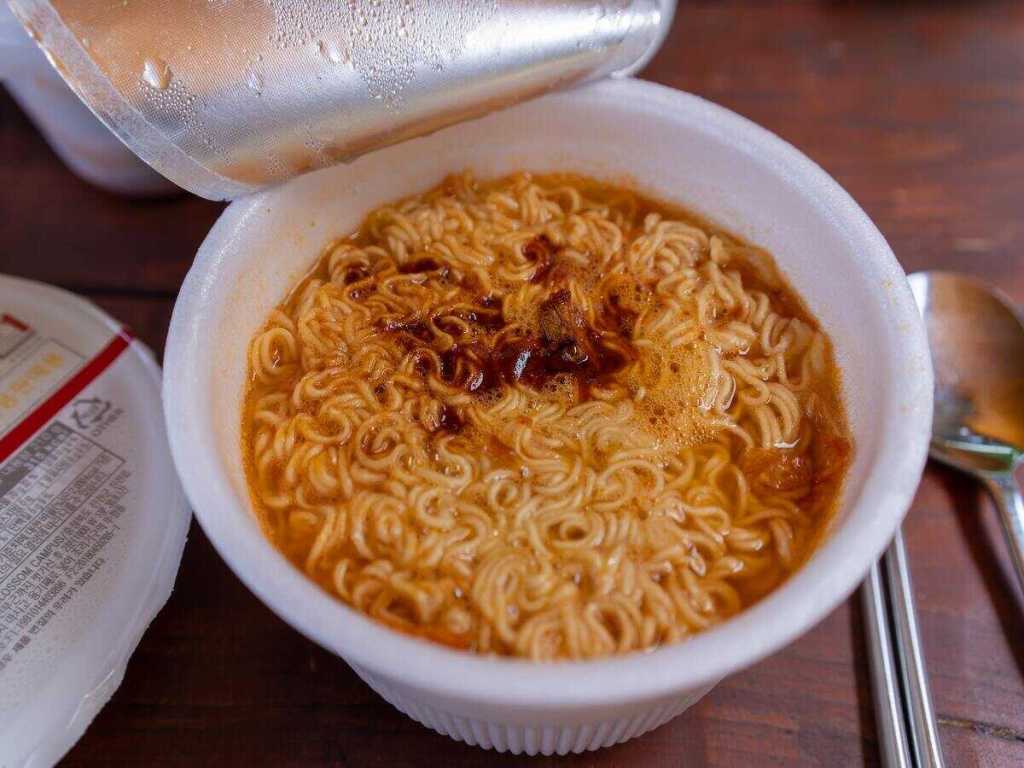
This probably doesn’t come as a surprise. Instant noodles are available almost everywhere, and they usually come in a cup or a packet. All you need to do is pour some hot water into the container, add the oil, and the seasoning. Easy to make, it takes you minutes to prepare. So what is so wrong with instant noodles?
They are very high in sodium, and of course, they contain MSG. High sodium intake can increase the risk of stomach cancer, heart disease, and stroke. Despite being a low-calorie food, instant noodles are low in fiber and protein, which may not make them a good option for weight loss. Protein has been proven to increase feelings of fullness and decrease hunger, while fiber moves slowly through the digestive tract, thus promoting feelings of fullness. Even if you buy the healthy, vitamin-fortified instant ramen that is becoming so popular these days, the amount of vitamins in it is insignificant. Your fortified instant noodles will not provide you with any better nutrition, and in the long run, will cause you harm.
Not to mention the additions of the flavoring and vegetable oil, which is usually palm oil, very high in saturated fats that can cause heart disease and weight gain. Even the packaging of the cups of the instant noodles can cause harmful chemicals to contaminate your food when it’s exposed to the high temperatures of the boiling water you need to use to make them. All in all, I don’t see anything beneficial or nutritional in this type of food.
2. Margarine
There is a long-standing debate about which is better for health: margarine or butter. Margarine is primarily made up of a vegetable oil base. Depending on the particular brand, this vegetable oil may be soybean oil, canola oil, sunflower oil, or one of many other vegetable oil derivations. Without even discussing the nutritional value of the manufacturing process, the most common GMO plants are soybeans, canola, and sunflowers. So there is a huge possibility that your margarine is made from GMO crops.
Unlike butter, margarine lacks essential nutrients like vitamin A and K. Butter is actually rich in fat-soluble vitamins, and the healthier the cow, the more nutrient-dense the butter will be. Some of these nutrients actually protect us from heart disease.
Natural vitamin A, for instance, is important for thyroid and cardiovascular health. Butter also contains the antioxidant vitamin E, which can protect against damaging PUFA fats in the diet. As margarine is derived from heavily processed vegetable oils, the end product is void of such nutrients. Some margarine manufacturers now fortify their products with synthetic forms of vitamins like vitamin A and D. However, with this manipulation comes problems. Synthetic vitamin A can have a detrimental effect on the body.
Making butter is a simple process. Milk from a cow is pasteurized (though this can be skipped if you are happy with raw milk), the cream is skimmed from the top, the cream is then churned, and butter is formed. You can do this yourself at home with nothing but a beater. Getting oils from a vegetable is a lot more difficult than extracting the cream from milk. Vegetable oil extraction requires a lot of heat and extreme pressure.
3. Imported artificially ripened fruit
Even though there are efforts to control and ban the harmful chemicals used in artificial ripening in most tropical fruits, it is not possible to test all of them. The most harmful chemical used in this procedure is Calcium Carbide. Calcium Carbide is proven to be carcinogenic and has trace amounts of arsenic and phosphorus. What is more troubling is the fact that the countries that are the major exporters of tropical fruits have less or no control over the use of chemicals for artificial ripening.
So, before you purchase any mangos, bananas, papayas, or kiwis, just make sure to research where they are actually coming from and if there is any possibility that they are indeed being artificially ripened. We would always suggest buying seasonal fruits when possible, especially the ones that are being grown close to your area.
4. Non-organic strawberries
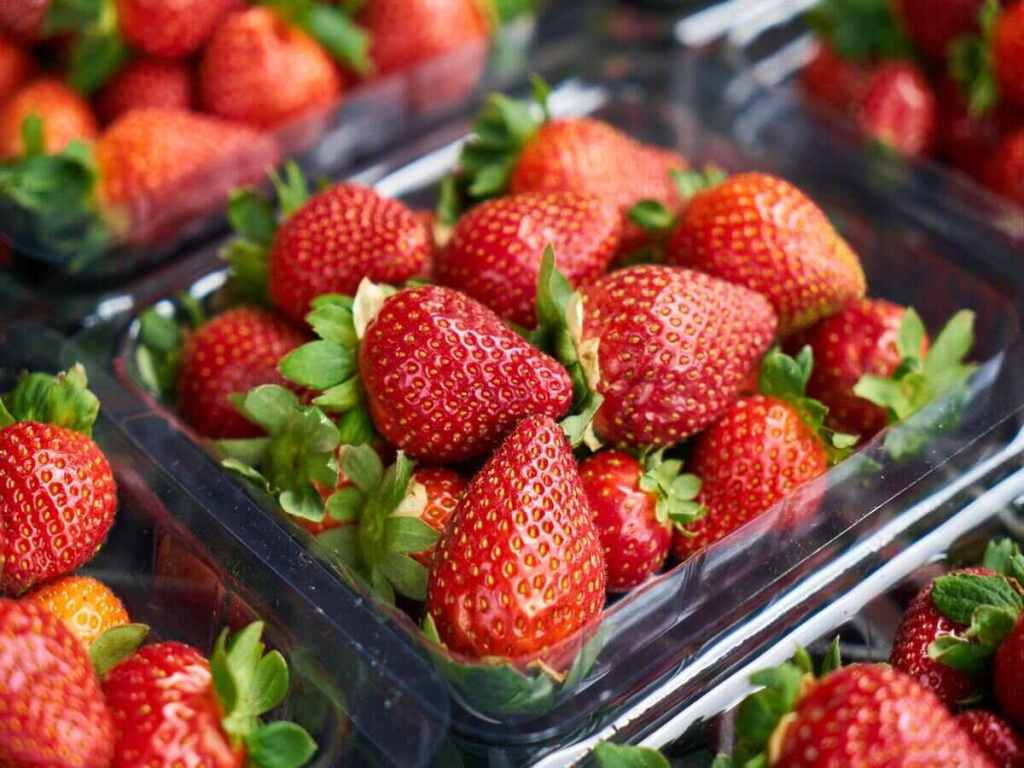
There was quite a deal of scandal when conventional strawberries were named as the number one fruit that had the highest amounts of pesticide residue, which was much higher than the allowed levels. Some went on to argue that even the increased level of residue was still safe for consumption, but this is something that is concerning. Especially if you count on small children eating conventional strawberries as part of a healthy diet. Instead of making justifications and deeming the fruits safe for consumption, it is good that each year, there are lists of potentially harmful fruits on the market. The prolonged exposure to chemicals found in pesticides and herbicides still needs to be researched, and no one can claim that they are safe, especially when the levels found are too high.
No human organism is the same. We all have different levels of immunity and vulnerability to exposure to such chemicals. Not to mention that some chronic illnesses or conditions could deem people more sensitive to such chemicals. Here, the gain is not strong enough to justify eating fruits that could be harmful to our bodies. We would suggest eating an organic version of strawberries or just switching to some other safer fruits.
5. White flour
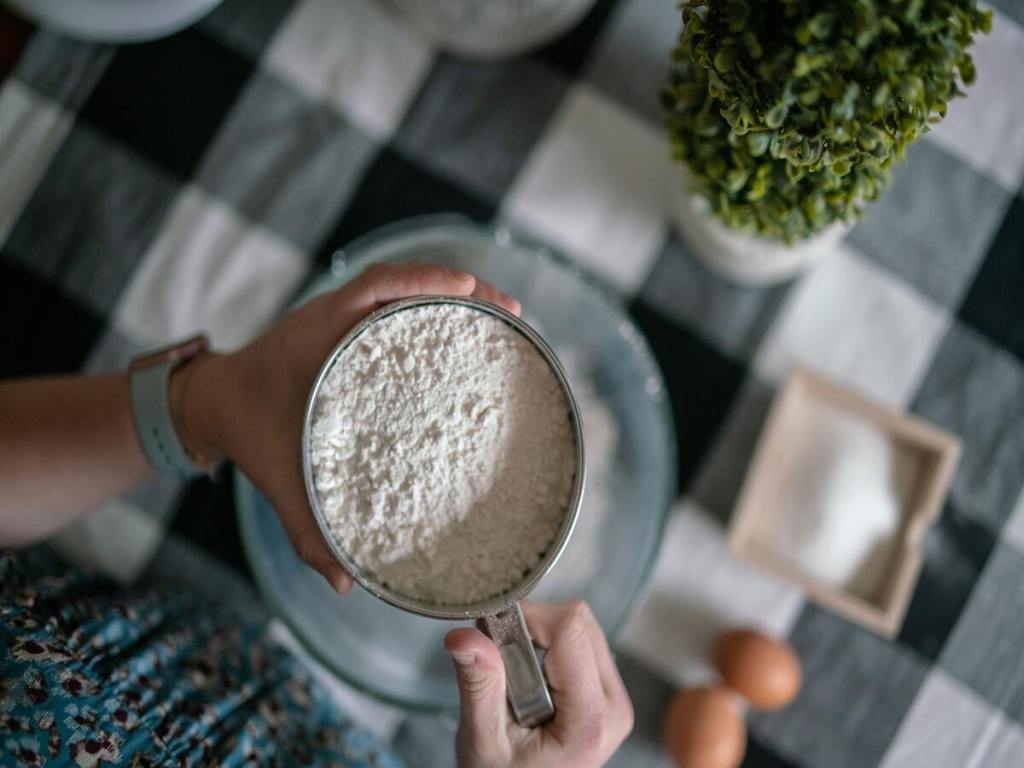
White flour is absolutely nutritionally devoid, even if it has been enriched. The processing of white flour means that the germ and the bran have been removed, and all that is left is the endosperm. The nutrient-rich oils are located in the bran, and most vitamins and minerals are located in the germ. When these two things are processed out, you are essentially left with nothing but starch.
This starch is then bleached, and this further reduces its nutritional status. In the end, you have a substance that turns into papier Mache in your body, which is highly acidic and provides your body with no nutrition. The synthetic vitamins that are added back into enriched flour are not utilized by your body as efficiently as the natural vitamins and minerals that would have been in the plant had it not been processed at all.
When we look at the white flour, which is actually starches. You need to know that starches could convert to sugars, and in a human body, they will cause an increase in blood sugar levels. That is one way to get cravings for more flour products. Because once your blood sugar levels abruptly fall, you will start to feel more hungry than before, and your body will receive no nutritional benefits from such products. There is nothing valuable for our bodies from white flour.
 Things we do for health
One Comment Add yours