As we all know fruits are the number one source of useful vitamins and minerals for the human body. It is recommended to have at least 5 daily servings of fruits to maintain a healthy diet. Many of us prefer choosing organic fruits when there is such an option. Organic fruits are safe from pesticides and they maintain high levels of useful nutrients. But this time pesticides are the least of our worries.
We all know that most of the fruits that we see in our local grocery stores come from different areas and sometimes even different countries. Especially during winter if you buy mangos, papayas, bananas, and other tropical fruits, they will be arriving from far away countries. For them to be transported and delivered on time, they are commonly collected before they are ripe and ready to eat. Farmers will pick the fruits in still green stages and they will be transported to their destinations in time for us to pick them up in our markets. So what happens in between? How do the fruits actually ripen? Small things could impact your health. Read more in 5 Small Things That Can Impact Your Health.
How fruits actually ripen?
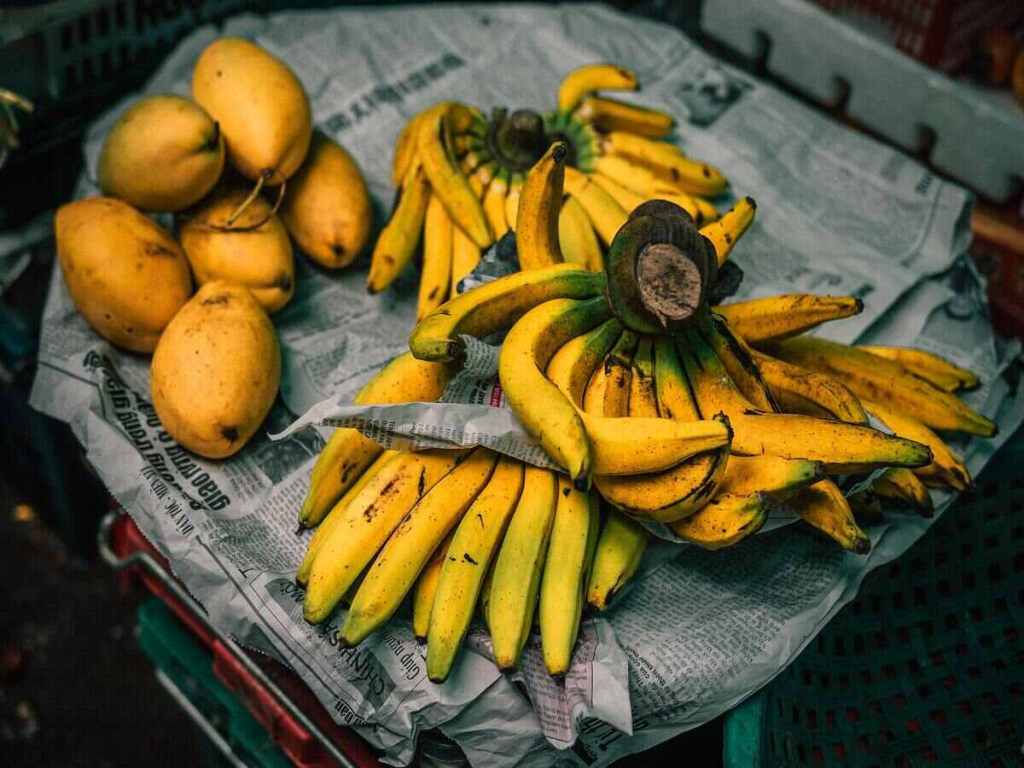
When they are picked as any other product fruits will also have the best by date. Even if you pick an apple still green from a tree given time it will ripen. Changes in color, smell, and appearance in the skin will start to show after a couple of days. Fruits will start to ripen at different speeds depending on the humidity, temperature, exposure to sunlight, and other environmental conditions. That is the main reason that some fruits are chemically ripened so they still can be delivered over long distances to their final destinations. And then they will be displayed in stores and supermarkets for us to buy.
Fruits are classified into two main categories based on their ripening pattern
- Climacteric fruits are generally harvested once they have reached their full maturity and can be further ripened during transit and storage. These include banana, guava, mango, apple, pears, apricots, peach, and tomato.
- Non-climacteric fruits do not ripen after harvest. So to attain full ripeness and flavor, these fruits are often harvested once they have fully matured and ripened in the orchard. These include fruits like lemons, oranges, grapes, cherries, and pineapple.
Commonly used chemicals

The most common chemical used for the artificial ripening of fruits is Calcium Carbide. It is usually done by placing packets of the chemicals between the fruit which will cause a chemical reaction and the fruits will start to ripen faster than usual. However, fruits ripened with Calcium carbide are often soft and less tasty, and they also have a shorter storage life.
Calcium carbide is a known carcinogen, a cancer-producing chemical. Irrespective of what quantity you may consume, the chemical is known to have harmful effects on the liver and other parts of the body. It also contains traces of arsenic and phosphorus hydride. Which produces several acute and chronic health effects. The early symptoms of arsenic or phosphorus poisoning include vomiting, burning sensation in the chest and abdomen, diarrhea, thirst, weakness, difficulty in swallowing, irritation or burning of the eyes and skin, permanent eye damage, ulcers on the skin, irritation in the mouth, nose, and throat. Throat sores, cough, wheezing and shortness of breath may also occur soon after exposure to the chemical. Higher exposure may cause a build-up of fluids in the lungs. Eating artificially ripened mangoes causes stomach upset because the alkaline substance is an irritant that erodes the mucosal tissue in the stomach and disrupts intestinal function. Prolonged exposure to the chemical could lead to peptic ulcers.
Ethylene in a very small concentration in the air is sufficient to promote the fruit ripening process. Externally applied Ethylene is likely to trigger or initiate the natural ripening process of apple, avocado, banana, mango, papaya, pineapple, and guava, and therefore, can be sold before the predicted time.
Ethephon is another agent which is used to artificially ripen fruits. Ethephon is often considered better in terms of taking less time than calcium carbide for ripening. The fruits ripened with Ethephon have a more acceptable color than naturally ripened fruits and have longer shelf life than fruits ripened with Calcium carbide.
Are we safe?
Most national and international regulations prohibit the usage of Calcium Carbide in fruit ripening. In some countries, it is even punishable by law. But of course like in any other situation it’s not possible to test and examine every international shipment of imported fruits that are coming into the country.
In the USA, the United States NOSB [National Organic Standard Board] recommends the use of ethylene for post-harvest ripening of tropical fruits and de-greening of citrus; this is stated in the ‘Formal Recommendation by the National Organic Standard Board (NOSB) to the Organic Program (NOP)’. The United States Environmental Protection Agency (EPA) allows the use of ethylene as a plant growth regulator and herbicide. Additionally, ethylene is exempt from the requirement of a tolerance (maximum residue level) when used as a growth regulator on fruits and vegetables.
The regulations set by the Canadian Food Inspection Agency (CFIA) impose that no person shall market, produce, import, export, or take part in the interprovincial trade of fruits and vegetables unless it is not contaminated, edible, free of any live insect or another living thing that may be injurious to health, and produced hygienically.
United Kingdom’s Soil Association permits the use of ethylene to ripen bananas and kiwi [Soil Association Organic Standards, rev 16.4, June 2011]. The UK Food Safety Act enacted in 1990 imposes that any person who renders any food injurious to health using any of the operations—adding any article or substance to the food, using any article or substance as an ingredient in the preparation of the food, abstracting any constituent from the food, and subjecting the food to any other process or treatment with the intent that it shall be sold for human consumption, shall be guilty of an offense.
The bottom line

Artificial ripening of fruits will keep happening since there is a large demand for fruits from all over the world. Especially during the off-season part of the year in parts of the world that are covered in snow or unable to grow such types of fruits. And farmers will keep fulfilling such demands by making sure their products reach their destination in the best possible condition.
But there are still ways to protect yourself from purchasing chemically ripened fruits. Make sure to buy fruits that are in season and possible to be grown in your area. One can distinguish the artificially ripened fruit. They will have uniform skin color in fruits like tomato, mango, and papaya, and in the case of banana, the fruit will be yellow while the stem will be dark green. The fruits would also have lesser flavor and a shorter shelf-life.
Also, if the fruits are available before the season, they could be artificially ripened. Washing and peeling the fruits before eating can minimize the risks of calcium carbide. As with all things in today’s modern age we need to be careful of the origin of the things we consume. It’s not about putting things into your shopping cart and walking away. Now you have to scrutinize and research where is the product coming from, whether has it been inspected, and how it looks, smells, and appears. There are so many things we need to think about when we are buying something. But for me, that is always a good thing. It means people are getting educated. Consumers are starting the ask questions and make choices and not following what is coming from the manufacturers and producers. Our health and well-being are in our hands and based on our choices. As it should be.
 Things we do for health
One Comment Add yours