Is there a hidden link between witches and beer? The image of a broom-wielding sorceress with a tall hat, a black cat, and a bubbling cauldron overflowing with potions has been synonymous with witches for the last century. The truth of women in this story takes us down a much different path altogether. A path that is not about magic and mystery but about money and politics. Another mystery around us you can read in Salt – The Spice Of The Earth.
Follow us into the past
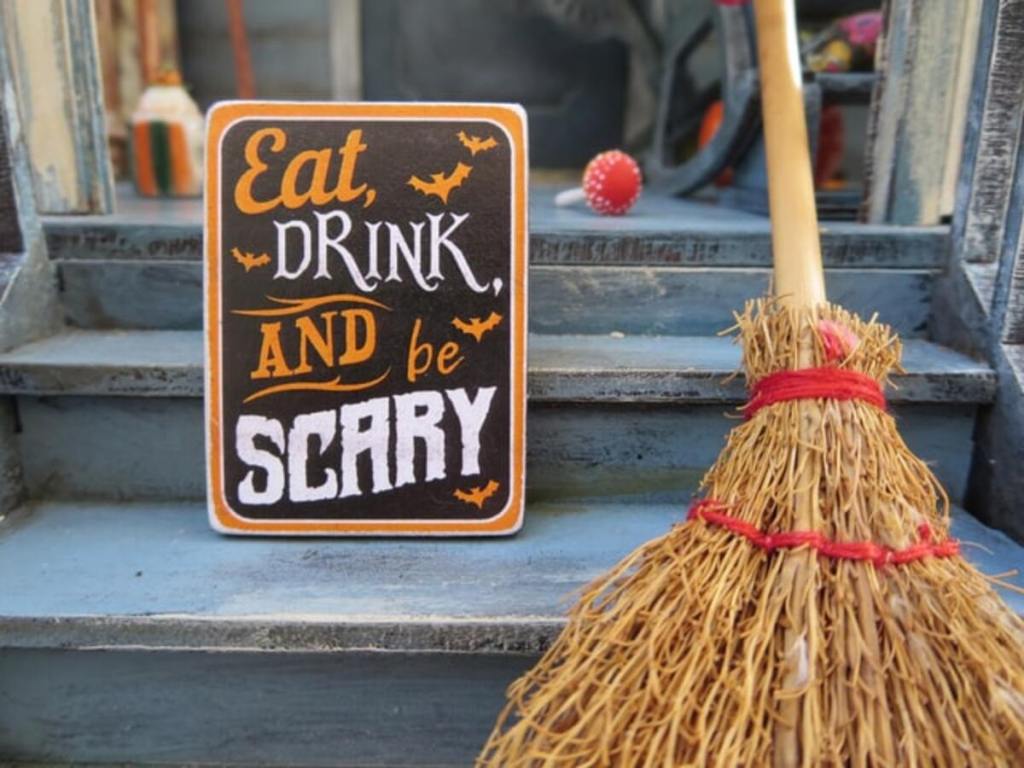
For thousands of years, beer brewing was a domestic task done primarily at home by women. Ale wives were women who opened their homes to sell the beer they made. And they also ran rural taverns all across Europe in the medieval period. If you take a look at the stereotypical garb of a witch, a cat, a pointed hat, a broom. All of those are pieces of equipment that would have been essential for alewives.
The bubbling cauldron is probably the easiest connection to make. After all, any brewer needs a huge bubbling vat to boil their wort as they make beer. Back in the height of the women’s fashion the hat of choice for a lady who wanted to stand out was a Henin. Conical hats were often ornately decorated and they stood up to 2 feet tall. To promote sales alewives would often place a broom, a symbol of domestic trade in front of their home or their taverns.
Another symbol found outside the door was a talisman resembling a Star of David. The star was used to convey the purity of beer. The six points of the star are said to symbolize the most important parts of brewing, hops, grains, malt, yeast, water, and of course the brewer.
As for black cats as sidekicks women of the times were heavily reliant on felines to protect their grain stores and their homes from vermin.
How it all changed
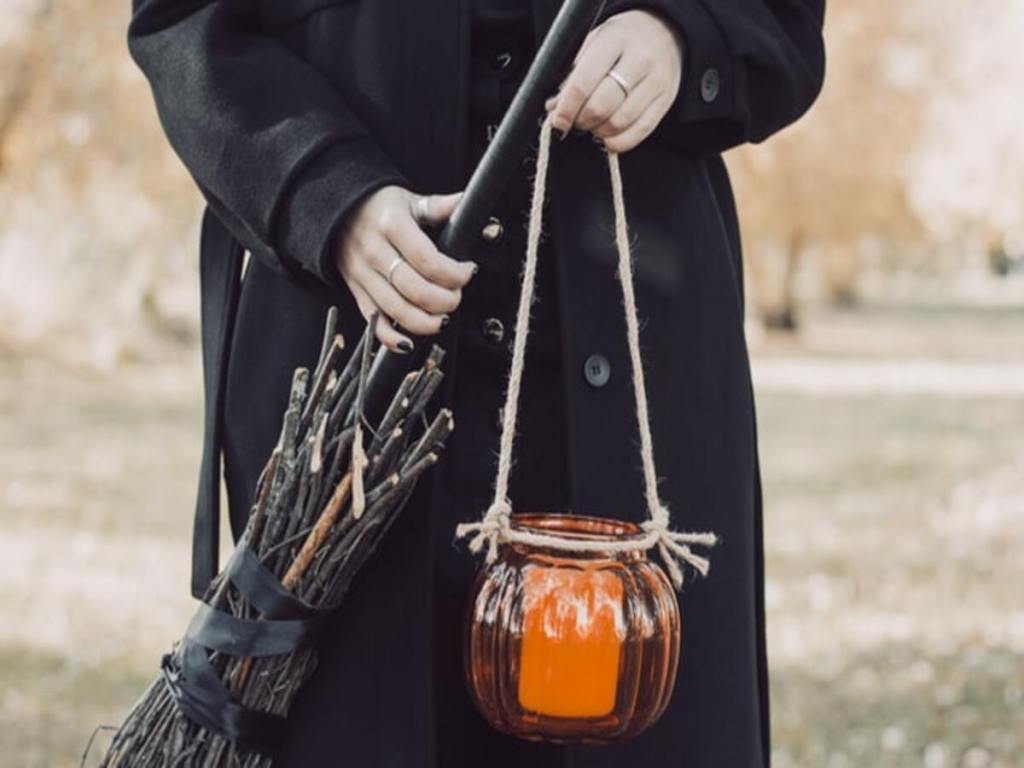
For many centuries women enjoyed success and gained much respect as key drivers of the beer industry. But the winds of political change were brewing. And alewives became the target of pressure from religious officials.
A large decentralized and women-dominated industry was pretty much the opposite of what the Church wanted. Traditional Church taught that witches were worshippers of the old and false pagan gods. Witches were said to be mischievous and not to be trusted. To more effectively reduce the influence of alewives, the Church began depicting witches as slaves of the devil. Alewives were being associated with devil-worshipping. As a result, many alewives were forced to close. And even more disturbing, some of them were accused of witchcraft.
That’s not to say that all churches across Europe were executing women who brewed beer. But over several generations and hundreds of years, many different groups of men managed to use a religious authority in one way or the other to get women to close. Then larger centralized and male dominated breweries popped up in society to fill the void. This didn’t happen just to brewing. It happened across many industries throughout Middle Ages. The old symbols of alewives are not associated with those evil witches.
 Things we do for health
One Comment Add yours