Kombucha is a fermented drink made from sweetened tea. The origins of this drink are still unknown. But it was used many centuries ago in India, Nepal, and China where it spread to the rest of the world. While it does have an alcoholic content of around 1% it’s mainly brewed for its health benefits than for intoxication.
Kombucha is acidic in nature. While your regular tap water would have a PH of 7, Kombucha is in a range of PH 3.5 to 2.5. The longer you leave it to ferment it will taste more acidic. The usual time for the first fermentation is from 6-9 days but that is completely up to the brewer. It will also depend on the amount of sugar added and the temperature of the area in which the kombucha is fermenting. Before you embark on this recipe maybe you want to check What is a SCOBY and how to make one?
The basic ingredients
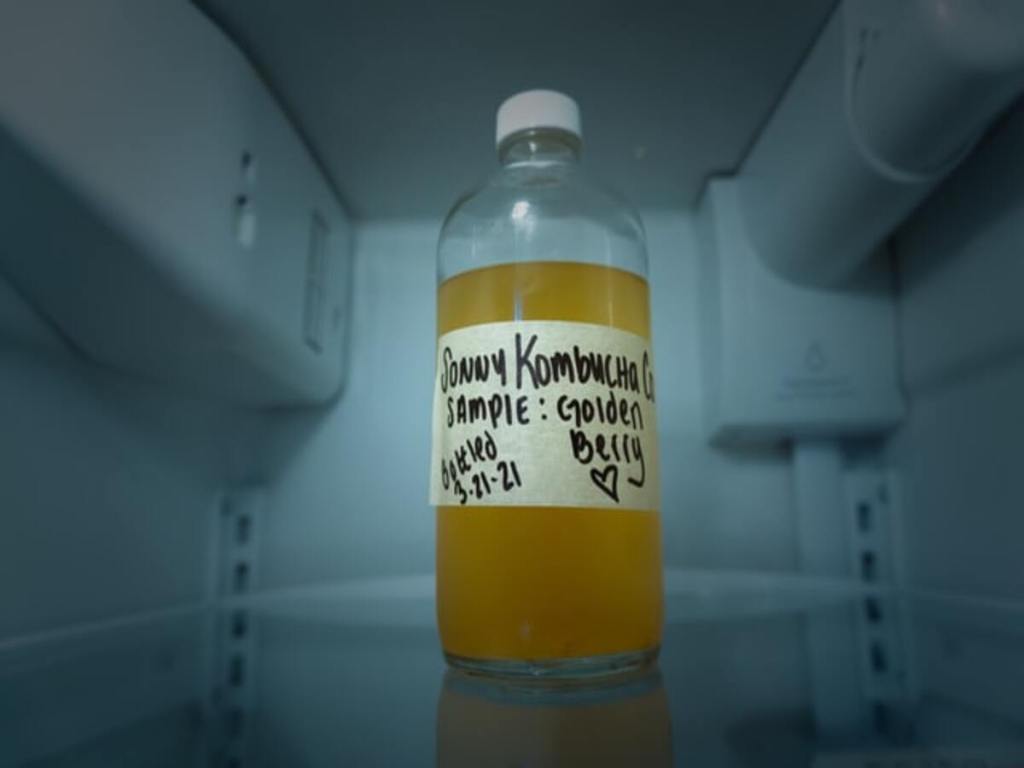
The ingredients to make kombucha are very easily found in your home. You will see that making kombucha doesn’t require any special skill. The recipe we provide is very easy and simple to follow.
- Water, it is recommended to use dechlorinated water. Chlorine will enable the SCOBY to ferment kombucha in a good way and your end product might be of lower quality. So if you are planning to use regular tap water make sure you boil it before using it to make kombucha. We strongly recommend using store-bought water because most water filters will still leave some chlorine molecules behind.
- Tea, usually the best choice for making kombucha is black tea. SCOBY will thrive in a black tea environment because of the nutrients it provides. You can also use herbal teas such as green tea, chamomile tea, and white tea. Just make sure you mix some black tea also for the best result. You can use tea bags or tea leaves. The best possible choice would be to use any type of organic tea available to you. And we recommend avoiding Earl Grey teas because of the added oils in them.
- Sugar, regular cane sugar will do just fine. If you were planning to skip this ingredient please think again. Sugar is a crucial ingredient and nutrient for fermentation to be successful. Yeast and bacteria will feed on sugar to make kombucha so it’s a vital part of the process. Stay away from artificial sweeteners or sugar substitutes because yeast and bacteria will not feed on them. So your fermentation will not be able to start correctly. The amount of sugar will be your choice. More sugar will mean a faster fermentation and less sugar will take more time to give you a good kombucha.
- Starter liquid is liquid taken from the top of the previous kombucha batch. It’s best when it’s taken from the top where are all the yeast and bacteria particles you want to get into your next batch. Starter liquid is also another crucial ingredient for successful fermentation. You don’t want to skip it. Without a good quality starter liquid, you won’t be able to get a good quality drink. So please take this ingredient only from trusted sources. It should represent at least 10% of the volume of your next batch of kombucha.
- SCOBY, Symbiotic Culture of Bacteria and Yeast is actually the starter culture with which you will ferment your first kombucha.
The process of making kombucha

There are simple steps that you should follow when making kombucha at home. From the equipment, you would not need to buy anything new. You can use a large glass jar so you will be able to see what is happening inside during fermentation.
- Boil 1/4 of the water amount and turn off the heat once it has boiled. After that add your tea bags and sugar. Stir the sugar until it’s completely dissolved and steep the tea for around 5-10 minutes.
- Remove the tea bags from the tea but don’t squeeze them. The additional tannin could add a flavor of bitterness to the end product.
- Add your tea to the rest of the cold dechlorinated water. The temperature of the water mustn’t be hot. Anything above 35 degrees Celsius will potentially kill the SCOBY.
- Add SCOBY and the starter liquid to your jar and make sure there is enough space at the top of the jar when the fermentation process starts.
- Do not close the jar. Once you have added the SCOBY this is now a living organism that needs to breathe. You should just close the top with a heavy and thick woven cloth to prevent the dust and flies from coming inside. Leave it for around 6-9 days at room temperature. The best fermentation temperature for kombucha is around 26 to 27 degrees Celsius but anything below 30 and above 18 will give you a successful fermentation. You don’t need to keep it in a dark space but just avoid leaving it in direct sunlight.
- Secondary fermentation for kombucha if you choose to do it will be done in the bottle. Use type of bottles that can stand fermentation pressure and transfer your kombucha to the bottles leaving some space at the top. Secondary fermentation is also the time when you can add flavors from fruits, spices, herbs, and other creative aromas to improve the taste of your kombucha.
 Things we do for health
2 Comments Add yours